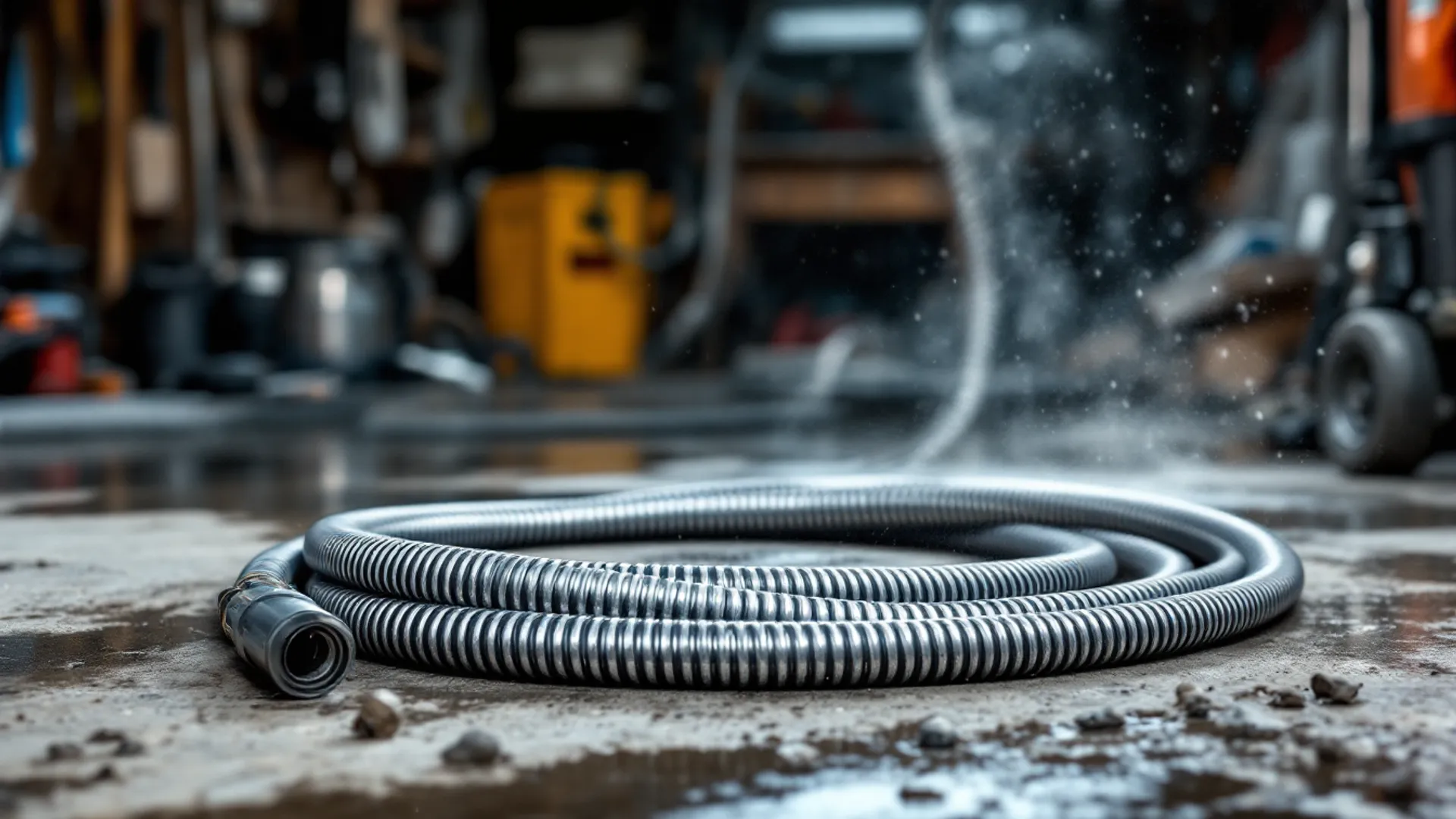
Drain jetting and maintenance
- Free, no-obligation quotes
- Passed to a local drainage engineer
- You choose whether to accept
Request received
We have your details. We will pass your request to a local drainage engineer.
If the job is urgent, you can also read our contact page. It explains what happens next.
Get your free quote
Free, with no obligation. We pass your request to a local drainage engineer.
- Free quote requests
- No obligation
- Local drainage engineers
- Pages for hundreds of UK towns
What is drain jetting?
Jetting uses high-pressure water to scrub the inside of a drain pipe. It can remove grease, scale, silt and some roots. Planned jetting suits places where grease or silt builds up fast, such as busy kitchens. However, it will not repair a damaged pipe, so a camera check first is wise.
Jetting deals with the cause of a blockage, not only the symptom. Rodding can punch a hole through a blockage and leave the rest on the pipe wall. In contrast, a jet scours the pipe wall, so the drain may stay clear for longer.
What drain jetting removes
High-pressure water works on most common blockage materials because it attacks the build-up itself. Rodding, by contrast, tends to push a blockage along the pipe. Jet nozzles with rear-facing jets also pull the hose forward, which helps with long runs.
- Solidified fat and grease from kitchen drain runs
- Tree and shrub root ingress through joint gaps
- Silt and debris accumulation in inspection chambers and gullies
- Calcium and limescale deposits in hard-water areas
- Leaf and organic matter build-up in surface-water drains
- Mineral scale inside older iron and clay pipes
Planned maintenance contracts
Planned jetting suits drains that block again and again. For example, a pipe that takes kitchen grease can fill up within months. Regular visits can cost less than repeated emergency call-outs, although that depends on the drain.
Jetting does not suit every pipe, however. High pressure can harm old or cracked pipework, so a camera check first is wise. Ask the engineer how they will set the pressure for your pipe.
There is no single schedule that suits everyone. Landlords, businesses and homes with a history of blockages may want regular visits. Ask the engineer to suggest a plan after they have seen the drain.
A home with no history of blockages may never need planned jetting. If the drain has blocked more than once, ask an engineer about a schedule.
Several tenants can mean more waste in the drain. Ask the engineer how often to visit and what records they keep.
Grease builds up quickly in a busy kitchen. Ask the engineer how often to clear the drains and whether you need a grease trap.