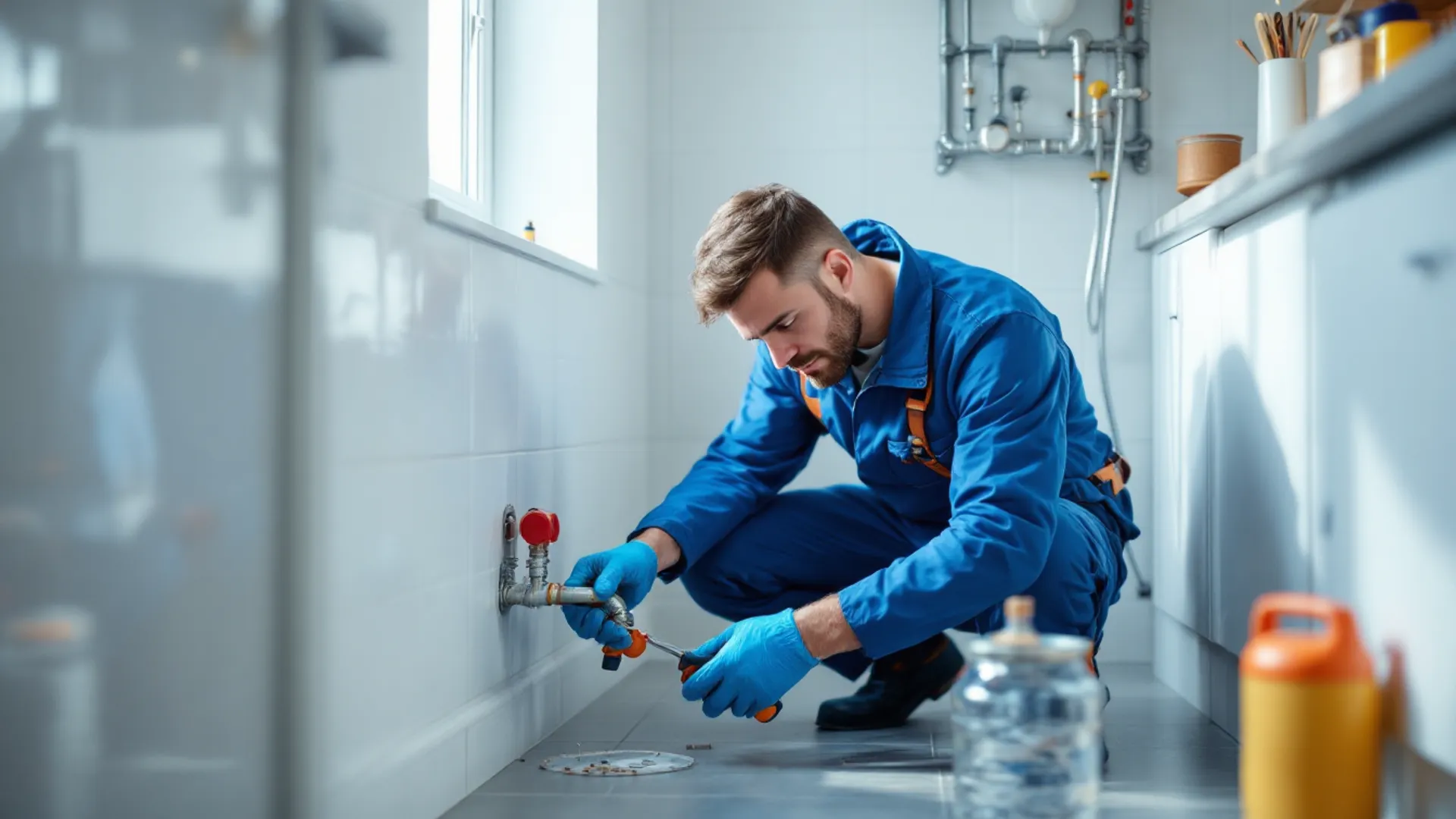
Plumbing services across the UK
- Free, no-obligation quotes
- Passed to a local drainage engineer
- You choose whether to accept
Request received
We have your details. We will pass your request to a local drainage engineer.
If the job is urgent, you can also read our contact page. It explains what happens next.
Get your free quote
Free, with no obligation. We pass your request to a local drainage engineer.
- Free quote request
- Passed to a local engineer
- Pages for towns across the UK
Plumbing services
Choose a service to find a local engineer near you.
-
Plumbing Repairs
Get a local plumber for taps, toilets, pipework and valves with a free quote request. Get a quote -
Emergency Plumber
Request urgent help with burst pipes, leaks and loss of water from a local plumber. Get a quote -
Leak Detection
Request leak detection to find hidden water leaks without digging up your home. Get a quote -
Central Heating Powerflush
Request a central heating powerflush to clear sludge from radiators and pipes. Get a quote
Common plumbing emergencies
- Emergency
Burst pipe
Water pouring from a split pipe. Turn off the stopcock, which is often under the kitchen sink, because that limits the damage.
-
No hot water
A failed immersion heater, a faulty valve or a cylinder fault can all cause this. However, a plumber needs to see it to find the cause.
- Emergency
Ceiling leak
Water through a ceiling often means a failed joint or pipe above. A leak detection visit can help find it while the ceiling stays intact.
-
Boiler breakdown
No heating in winter? Boiler repairs need a Gas Safe registered engineer because the law covers gas work. Ask to see their card.
Plumbing problems you can ask about
Some plumbing faults start in the drain. A damp patch on a bathroom ceiling may come from a waste pipe joint and not a supply leak. Tell us what you can see, because that helps the engineer find the cause.
A flooded airing cupboard often points to a failed cylinder valve, not the floor below. However, only an engineer who sees the fault can be sure. Ask them to explain what they find before you agree to any work.
Guarantees and warranties differ from one engineer to the next. Ask what they cover, and keep the receipt with your property papers, because you may need it later.
- Burst pipe repair and pipe replacement
- Tap, valve and stopcock replacement
- Toilet cistern and pan repairs
- Immersion heater and hot-water cylinder work
- Central heating powerflush
- Non-invasive water leak detection
- Bathroom and kitchen plumbing alterations
- Macerator and Saniflo servicing
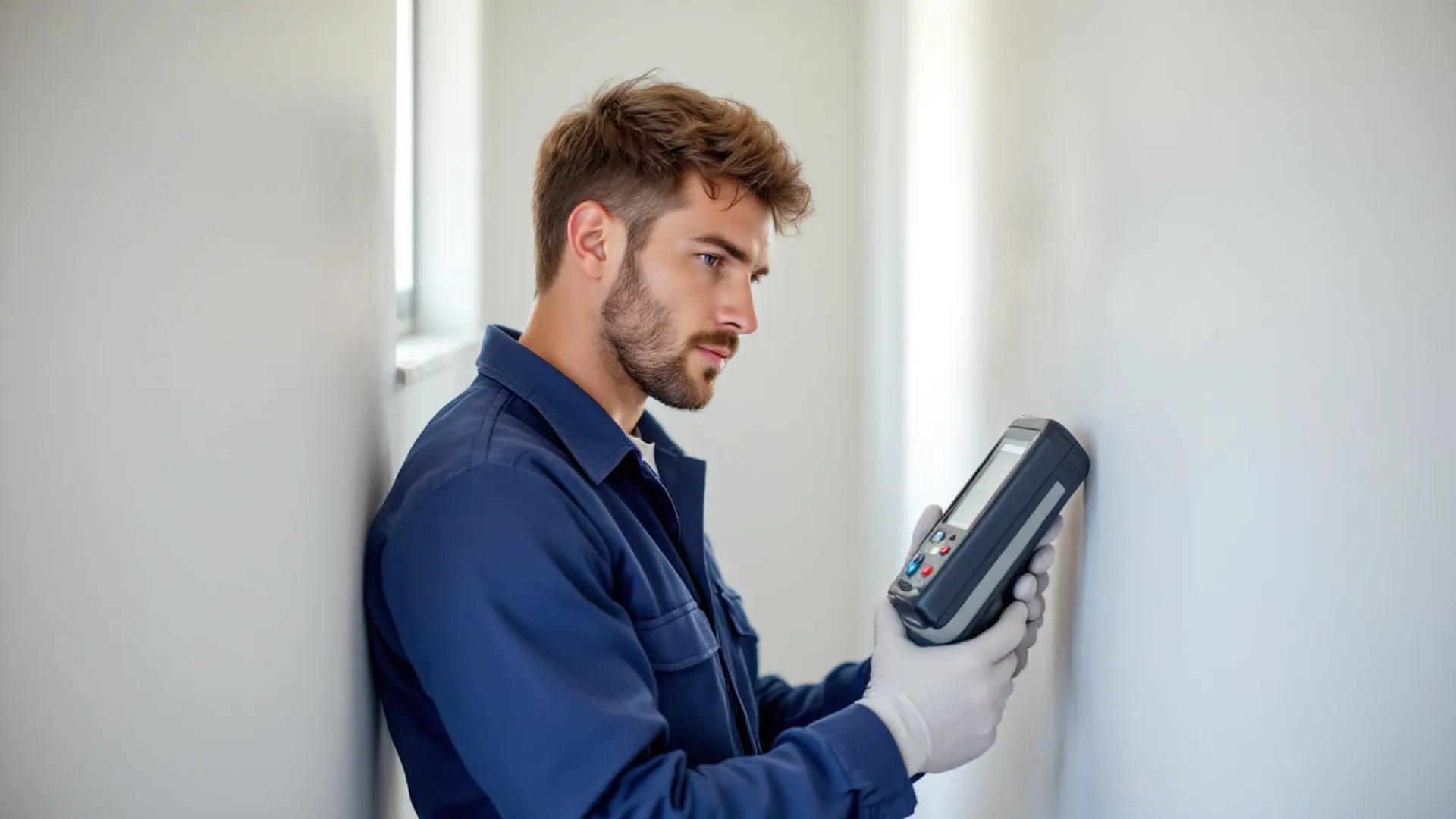
Non-invasive leak detection
Water leaks behind walls, under floors and beneath concrete can cause a lot of damage, because the water spreads out of sight. Finding a leak early can limit that damage.
Engineers can use listening equipment, pressure tests and thermal cameras to narrow down where a leak is. This can limit how much of the wall or floor they need to open. However, some repairs still need access.
- Listening equipment for buried pipe leaks
- Thermal imaging for underfloor and ceiling leaks
- Pressure-decay testing for supply systems
- Tracer gas for hard-to-find leaks
- A written report, if your insurer asks for one
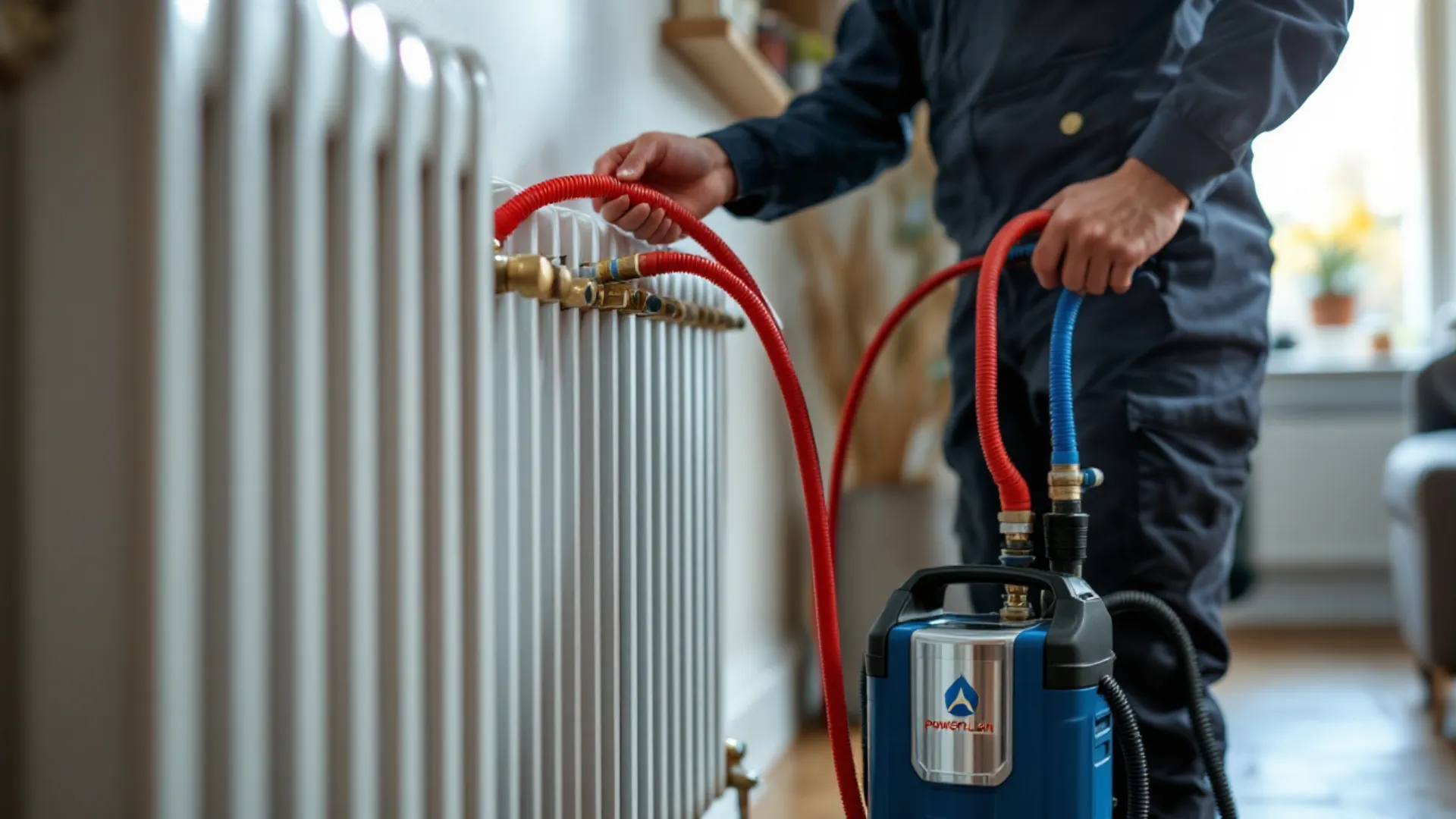
Central heating powerflush
A powerflush pushes water through a central heating system to shift sludge, rust and limescale. Left alone, sludge can block radiators, strain the pump and damage the boiler.
Not every cold radiator needs one, however. Trapped air or a stuck valve can look the same, so ask the engineer to check the system first. Ask what the job includes and what they fit or add afterwards.
- Cold radiator spots
- Black bleed water
- Kettling boiler
- Frequent bleeds needed
- Pump noise
Gas Safe and plumbing qualifications
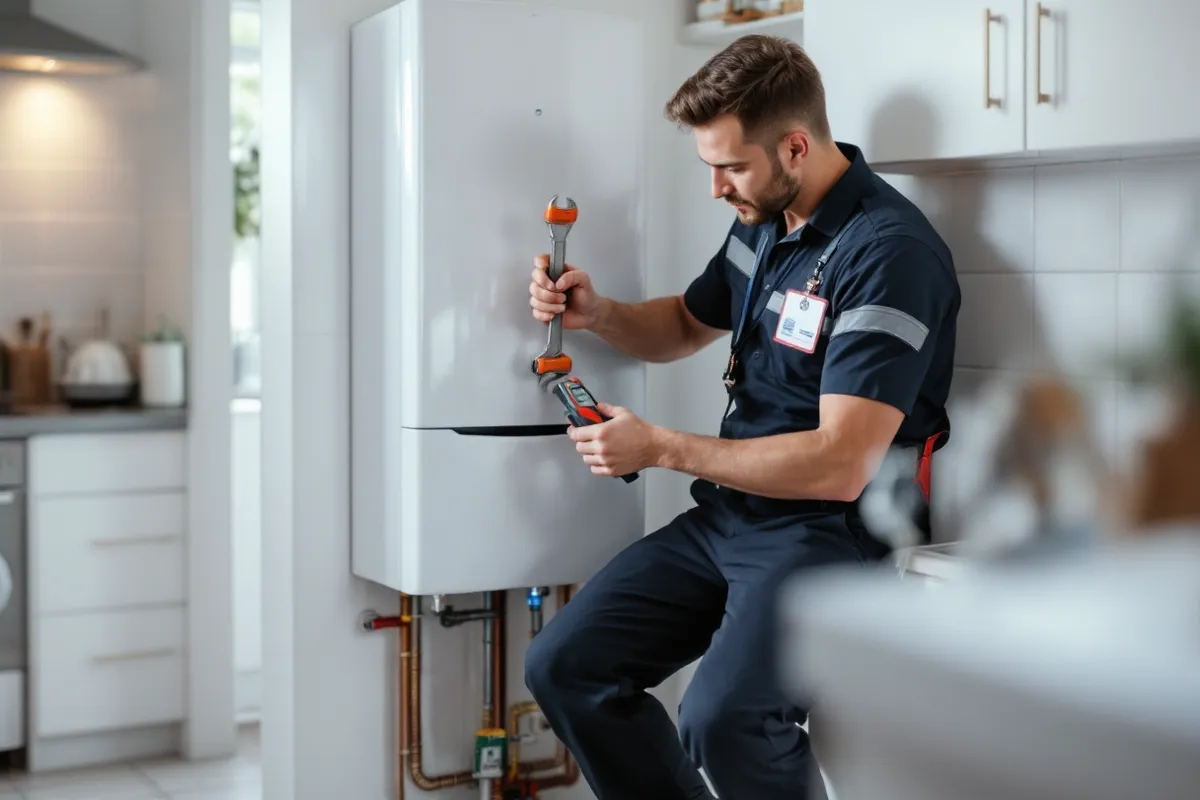
By law, anyone who works on gas appliances must be on the Gas Safe Register. The register lists engineers by name, with the types of gas work each one can do. Ask to see the engineer's ID card, because you can check it on the Gas Safe Register website.
We pass your request to a local engineer, so we cannot vouch for their qualifications. Ask about them, because it is your choice, before you agree to any work. For water fittings, WaterSafe lists approved plumbers.
- Gas work: check the engineer's Gas Safe ID card
- Water fittings: ask about WaterSafe approval
- Ask whether the engineer holds public liability insurance
- Get the price and any guarantee in writing
How a plumbing request works
- 01
Send a request
Describe the problem and give your postcode. We pass your request to a local engineer.
- 02
Agree the price
The engineer contacts you and looks at the job. Ask for a price in writing, because it avoids disputes later.
- 03
Check the terms
Ask what the work includes and what the engineer guarantees. Keep the receipt and any warranty papers, because you may need them for a claim.
Plumbing FAQs
Who can work on gas appliances?
How quickly can an emergency plumber attend?
Can a leak be found without tearing out walls?
What is a powerflush and does my heating need one?
How much does an emergency plumber cost?
Can older lead pipework be repaired?
Is a dripping tap too small a job?
What qualifications should I look for in a plumber?
Need a plumber? Send a free quote request
Tell us the problem and your postcode, because the engineer needs both. We pass your request to a local engineer.