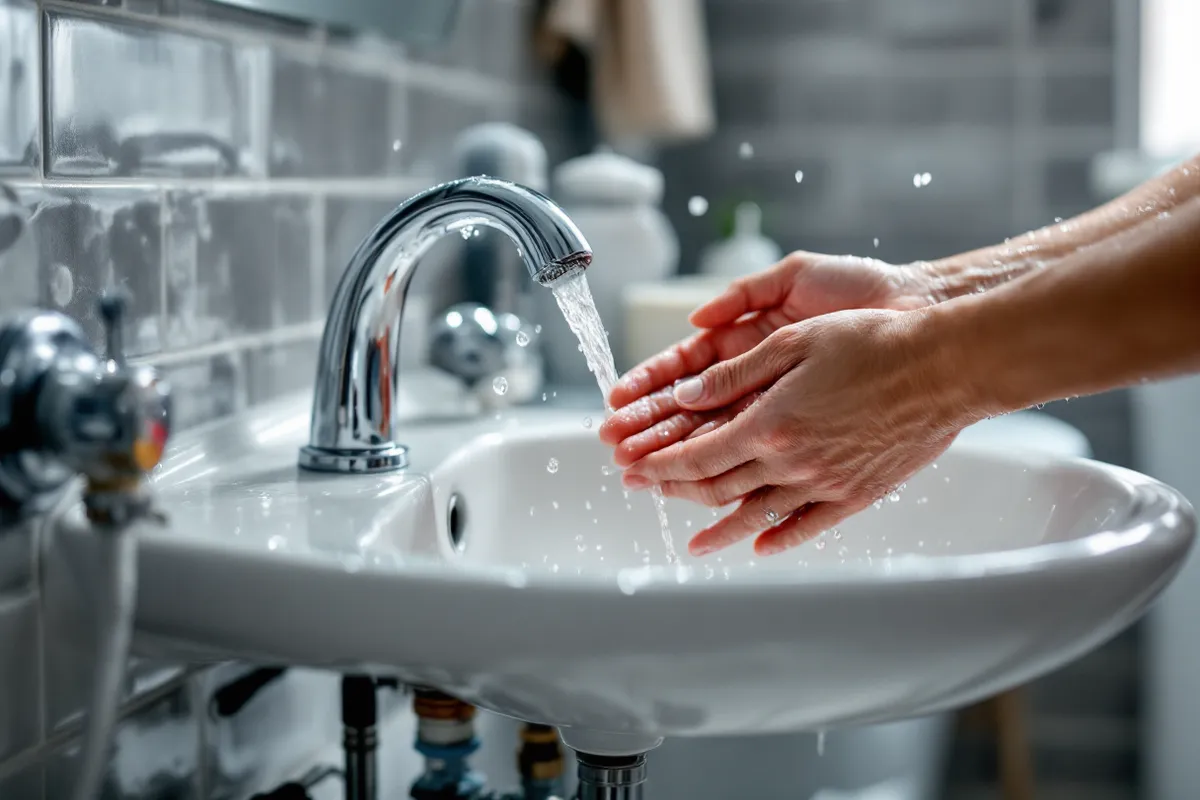
Typical water usage: the numbers
A full bath uses a lot of water, but a shower does not always use less. The answer depends on the shower type and the time you spend under it. A short shower with an efficient head often beats a bath.
However, a powerful shower can use more than a bath if you stay in a long time. Mixer showers and power showers push out far more water each minute than a basic electric shower. For that reason, it helps to know what kind of shower you own.
Energy cost comparison
Most of the cost of a bath or shower is the energy used to heat the water. Less hot water means a lower bill. Therefore, the shower that uses less water usually costs less to run.
You can test this at home. Time your shower, then fill a bucket from the shower head for ten seconds. Multiply the result to see how much water you use in a typical wash.
Impact on drainage
Your drains cope with either choice, because they are built for normal household flows. Problems usually come from what goes down the drain, not from the volume. Hair and soap are the main causes of slow bath and shower drains.
A long, high-flow shower can still show up weak spots. For example, a shower tray that drains slowly may overflow when the flow is strong. If that happens, the waste pipe or trap probably has a partial blockage.
Drainage sizing for new shower rooms
If you plan a new shower room, the waste pipe needs the right size and a steady slope. This helps the water leave quickly, since a flat or undersized pipe holds water back. Building Regulations may also apply to new drainage work, so check with your local building control team.
A plumber or drainage engineer can advise on the waste route. Ask them to check how it joins the existing drain. The aim is a smooth path with easy access for cleaning.
Water-saving measures
Small changes add up. A shorter shower saves water and heating energy. You can also fit a water-saving shower head, which cuts flow without ruining the spray.
If you have a water meter, you pay for what you use, so these savings show up on the bill. Fix dripping taps and running toilets as well, since they waste water all day. Keep your drains clear with a hair catcher, and you will avoid most slow-drain problems too.
Related guides and local help
If you want to know more, read Hard Water and Your Plumbing: Effects, Costs and Solutions. You can also read Leak Detection Cost Guide: What Changes the Price Most and Hot Water Not Working: A Diagnosis Guide for UK Homes, because they cover closely related problems.
These guides help too: Leak Detection Methods: Acoustic, Thermal and Tracer Gas, How to Find a Reliable Plumber: 10 Things You Should Check, How to Find a Water Leak: Detection Methods and When to Call, How to Read Your Water Meter and Use It to Spot Leaks and What to Do When a Pipe Bursts: A Step-by-Step UK Guide. Each one explains a related topic in plain English.
Need help near you? Read our plumbing help page first, or see Plumbing Repairs in Broxbourne and Plumbing Repairs in Buckingham. You can also see Leak Detection in Dungannon, since every service page has a free quote form. We pass each request to a local drainage engineer.