What is boiler pressure?
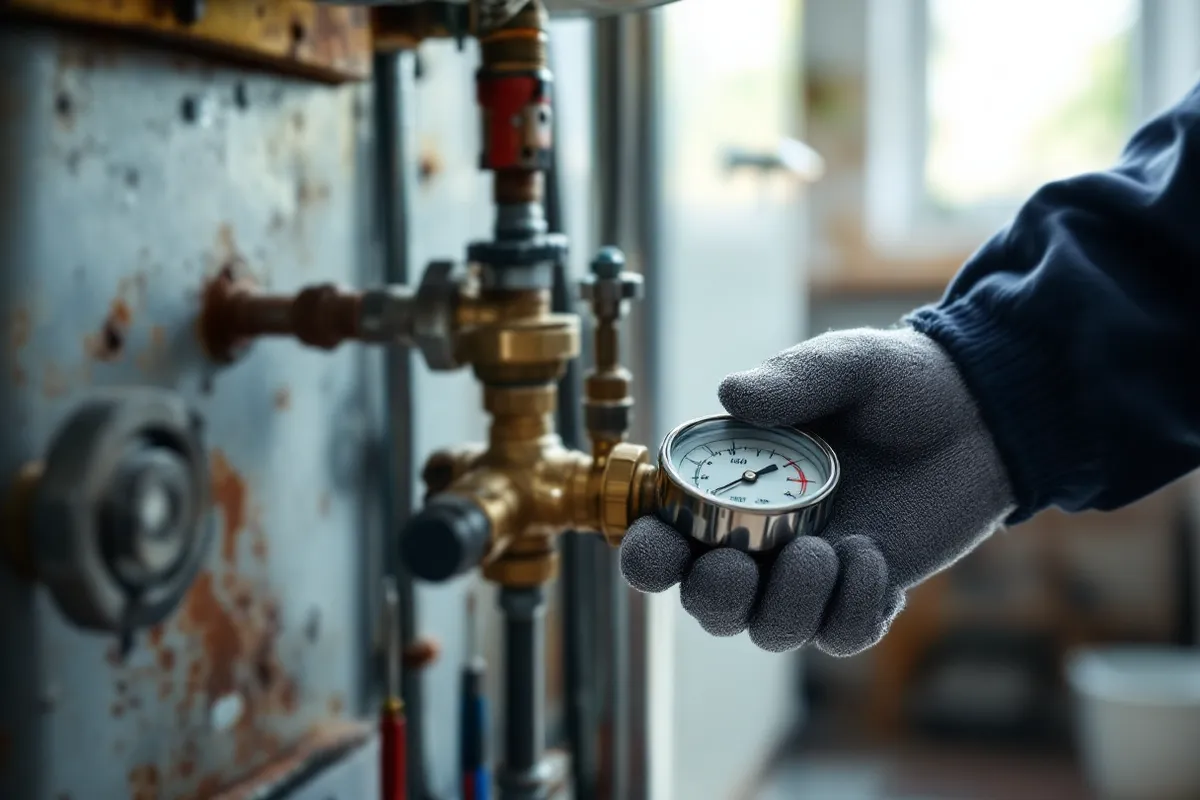
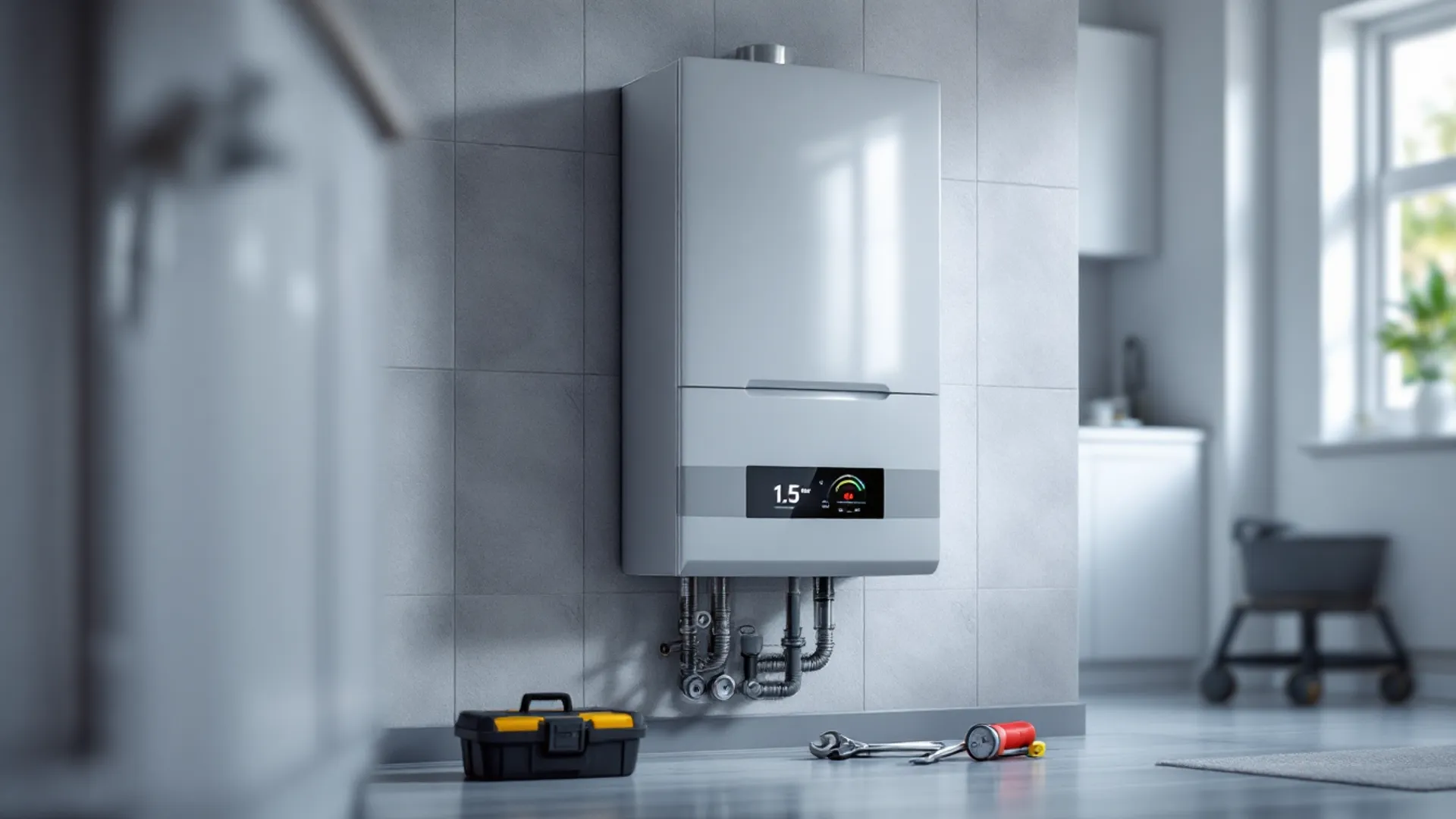
Boiler pressure is the pressure of the water in your sealed heating system. You read it on a gauge on the boiler. Many boilers work best at about 1 to 1.5 bar when the system is cold, although your manual gives the exact range for your model.
The pressure rises a little when the heating is on, because hot water expands. That is normal. A big rise or fall is not.
Low boiler pressure: causes
Low pressure often follows a small leak. Water may escape from a radiator valve, a joint or the boiler itself. Bleeding radiators also lowers pressure, since air leaves and water takes its place.
Sometimes the cause is a fault inside the boiler, such as a failed pressure relief part. Because of this, a boiler that keeps dropping needs an expert look. A single top-up after bleeding is fine.
How to repressurise a combi or system boiler
First, switch off the boiler and let it cool. Find the filling loop or filling lever under the boiler. Your manual shows where it is.
Open the valves slowly and watch the gauge. Close them when the needle reaches about 1 to 1.5 bar, because too much pressure causes harm. Then switch the boiler back on and check that it runs.
Follow the maker’s steps for your model, because the process differs between brands. Never leave the filling loop open, since the pressure can climb too high.
Pressure keeps dropping: what to do
If you top up and the pressure falls again within days, there is a leak. Look at the radiators, the pipes and the floor below the boiler. Check for stains, drips and damp, since small leaks leave marks.
Do not keep topping up forever. Each top-up adds fresh water, which brings in new oxygen and can speed up rust. Call a heating engineer, who can find the fault and fix it.
High boiler pressure: causes and risks
Pressure that is too high may come from an open filling loop or a failed expansion vessel. In a sealed system, high pressure strains parts and joints. The boiler has a safety valve that may release water outside.
If water is dripping from the pressure relief pipe, switch off the heating and call a heating engineer. Do not ignore it. The fault will not go away on its own.
Reducing pressure that’s too high
If the reading is only slightly high, you may still bleed a radiator to let a little water out. Hold a cloth under the valve and release a small amount. Check the gauge as you go.
If the pressure stays high, stop and call an engineer. Gas boilers should only be repaired by a Gas Safe registered engineer, so always check their ID card.
Related guides and local help
If you want to know more, read Boiler Service: What Happens, How Often and Why It Matters. You can also read When to Replace Drain Pipes: Signs, Lifespan and What to Do and Central Heating Not Working? A Full Step-by-Step Guide, because they cover closely related problems.
These guides help too: Victorian and Edwardian Drainage: Common Problems to Expect, How to Bleed a Radiator: A Simple Step-by-Step UK Guide, UK Property Drainage History: How Home Age Affects Risk, How to Drain and Flush a Central Heating System at Home and Pitch Fibre Pipes: What They Are and What to Do About Them. Each one explains a related topic in plain English.
Need help near you? Read our powerflush page first, or see Powerflush in Amesbury and Powerflush in Ampthill. You can also see Plumbing Repairs in Bury St Edmunds, since every service page has a free quote form. We pass each request to a local drainage engineer.