What is a CCTV drain survey?
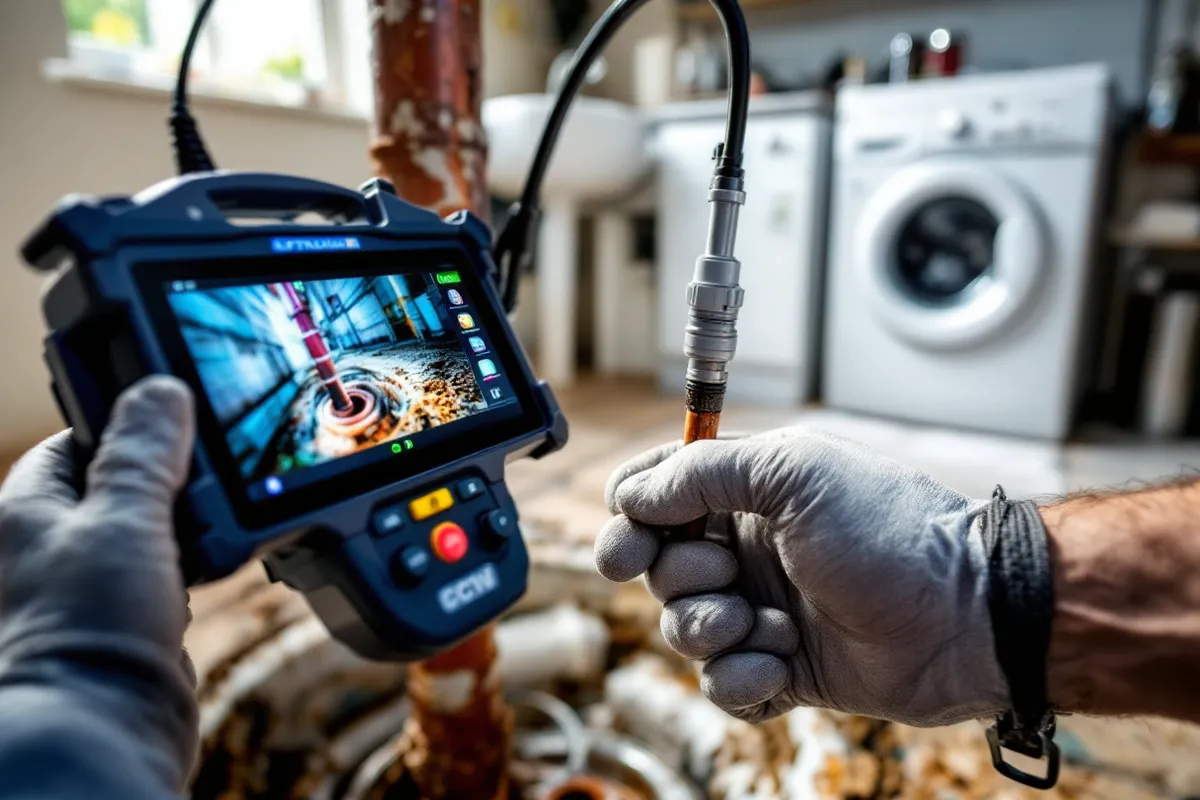
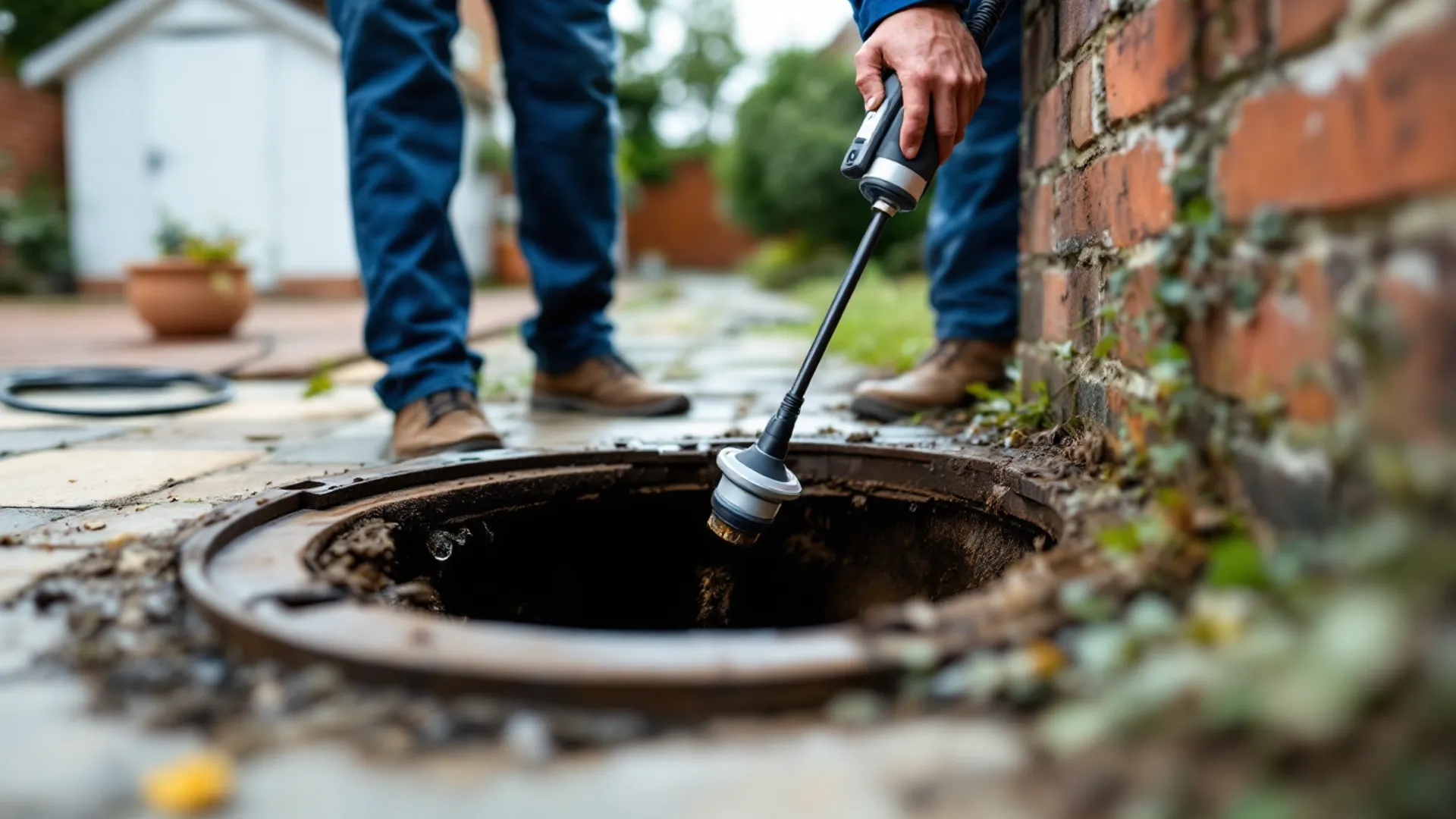
A CCTV drain survey puts a small camera inside your drain. The engineer pushes it along the pipe on a flexible cable. A screen shows the view as they go.
The camera lights up the pipe and records what it sees. This lets the engineer find faults without digging. It also gives you a clear record of the drain’s condition.
When do you need a CCTV drain survey?
A survey helps when a drain blocks again and again. It also helps when you smell sewage, see damp, or notice slow drains in several places. Buyers often order one before they exchange contracts, since drains are hidden.
You may need one after building work too. For example, a survey can show if work damaged a pipe. Insurers sometimes ask for a report as well.
What can a CCTV survey find?
The camera can show cracks, broken pipes and joints that have slipped. It can also show roots, debris and grease build-up. Some surveys reveal that a pipe is flat or has a dip where water collects.
It can spot old pipe types too, such as pitch fibre. Each fault is recorded with its position. As a result, you know exactly where to dig or repair.
A survey cannot show everything. It cannot see through a full blockage, and it only shows what the camera can reach. Ask the surveyor to explain any limits.
What does a CCTV drain survey cost?
The cost depends on how long the drain is, how easy it is to reach and whether it needs cleaning. The type of report matters too. Ask for the price and what it covers before you book.
Compare quotes on the same basis. One quote may include a full written report, while another may not. For more detail, see our CCTV drain survey cost guide.
Understanding the survey report
A good report lists each fault, where it sits and how serious it is. It should include photos or still images from the footage. Many reports use standard codes to describe faults.
Ask the surveyor to walk you through the findings. They should say what needs fixing now and what can wait. Keep the report, because it helps if you sell the property or claim on insurance.
Can defects be repaired without digging?
Some faults can be fixed with no digging. For example, a liner can seal a cracked pipe from the inside. This is called relining.
However, badly broken or collapsed pipes may need to be dug up. The surveyor can say which method suits your drain. Read more in our guide to CCTV drain survey options.
Related guides and local help
If you want to know more, read Emergency Plumber Costs: What Affects the Price and Tips. You can also read Why Drains Smell Worse in Summer and How to Stop It and Plumbing Emergency? Here Is Exactly What to Do Right Now, because they cover closely related problems.
These guides help too: Foul Drain vs Surface Water Drain: What Goes Where?, Flooded Basement or Cellar: What to Do and How to Prevent It, 10 Hidden Plumbing Problems in Victorian Homes to Look For, Frozen Pipes: How to Prevent, Thaw and Cope After a Freeze and Soakaway Problems: Why They Fail and What to Do About It. Each one explains a related topic in plain English.
Need help near you? Read our CCTV drain survey page first, or see CCTV Survey in Boston and CCTV Survey in Bourne. You can also see Blocked Drains in Darnall, since every service page has a free quote form. We pass each request to a local drainage engineer.