When excavation is necessary
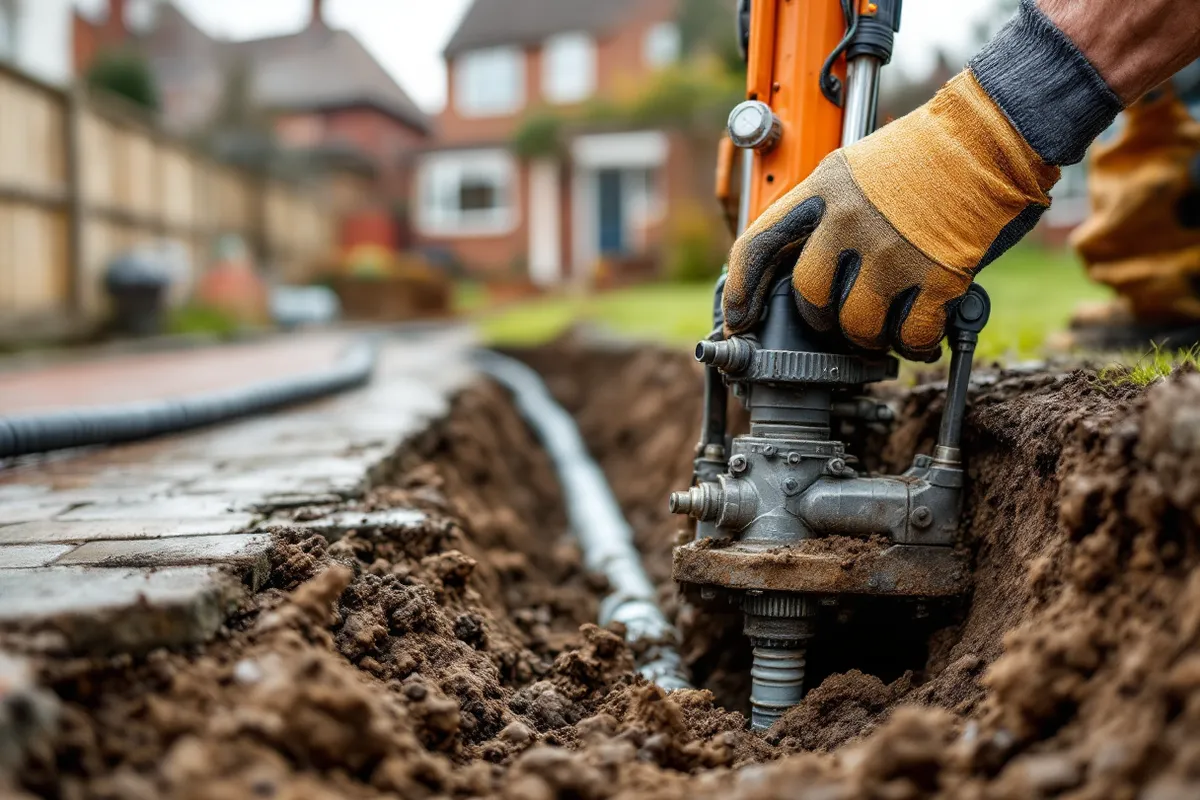
Excavation means digging down to the pipe to repair or replace it, because some damage cannot be fixed from inside. You need it when a pipe has collapsed or sits badly out of line. Relining cannot fix a pipe that has lost its shape.
A camera survey shows whether digging is necessary. Our guide to drain relining explains the other option. Ask the surveyor which method suits your pipe.
The excavation process
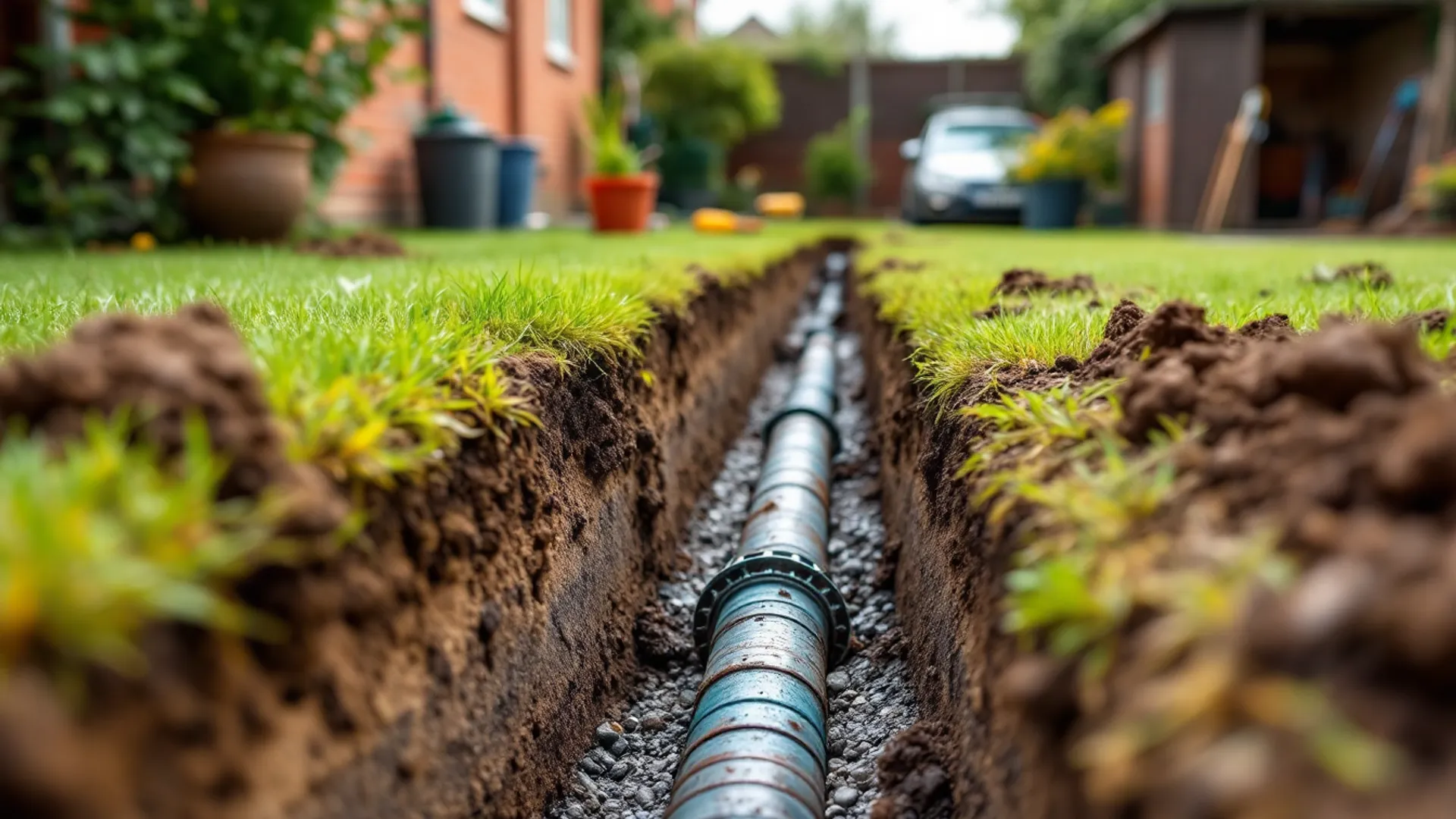
The team marks the pipe route and removes the surface, such as soil, paving or tarmac, because the trench needs a clear path. They dig a trench down to the pipe. Then they take out the damaged section.
Next, they fit new pipe on a bed of suitable material. They test the new pipe before they fill the trench, since a leak is easier to fix at that stage. Finally, they put the surface back.
Digging near services such as gas, water and electric needs care. For that reason, the team should check for cables and pipes first. A CCTV drain survey beforehand helps to pinpoint the fault.
What drives the cost
Depth is a big factor because a deep trench needs more time and support. A deep trench takes more time and needs more support. The length of pipe to replace matters too.
The surface above the pipe also changes the job, for example a patio takes longer to lift than a lawn. Digging through a lawn is simpler than lifting a patio or driveway. In addition, access for machines affects the time needed.
What drives the price
Other things change the price as well, since each site has its own limits. They include the type of pipe, the number of connections and any traffic or parking rules. Disposal of waste soil adds to the bill.
We cannot give a fixed price here. Each job differs, so get a written quote that lists every task. Ask who will restore the surface afterwards.
Getting the work done right
Ask for a written quote and a clear description of the work, because that avoids confusion later. Check how long it will take and what state the site will be in afterwards. Ask about testing after the repair. Some firms also offer a guarantee on their work, so ask what is covered and for how long.
Keep records, including photos before and after, because they help if there is a dispute. If the pipe is near a public sewer or shared drain, tell your water company or neighbours. Building control may also need to know about the work.
Related guides and local help
If you want to know more, read Drain Relining (CIPP): How It Works, When It Helps and Cost. You can also read Drain Camera Inspection: What to Expect and How to Read It and CCTV Drain Survey for Commercial Property: What to Expect, because they cover closely related problems.
These guides help too: CCTV Drain Survey Cost Guide: What Affects the Price, Why You Need a Drain Survey When Buying a House in the UK, Chemical vs Mechanical Drain Unblocking: Which Works Best?, Drainage Guide for New Build Buyers: What to Check First and Blocked Drain Clearance Cost Guide: What Affects the Price. Each one explains a related topic in plain English.
Need help near you? Read our CCTV drain survey page first, or see CCTV Survey in Burnley and CCTV Survey in Burton upon Trent. You can also see Blocked Drains in Brierley, since every service page has a free quote form. We pass each request to a local drainage engineer.