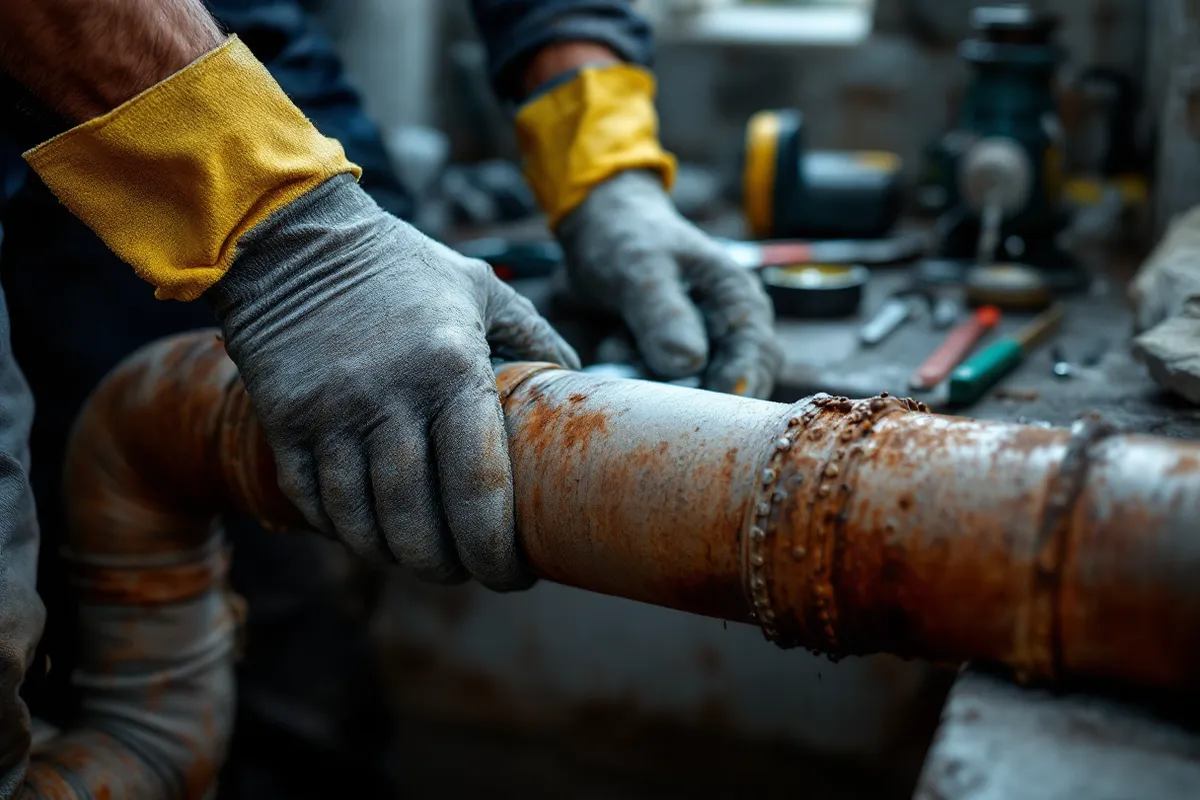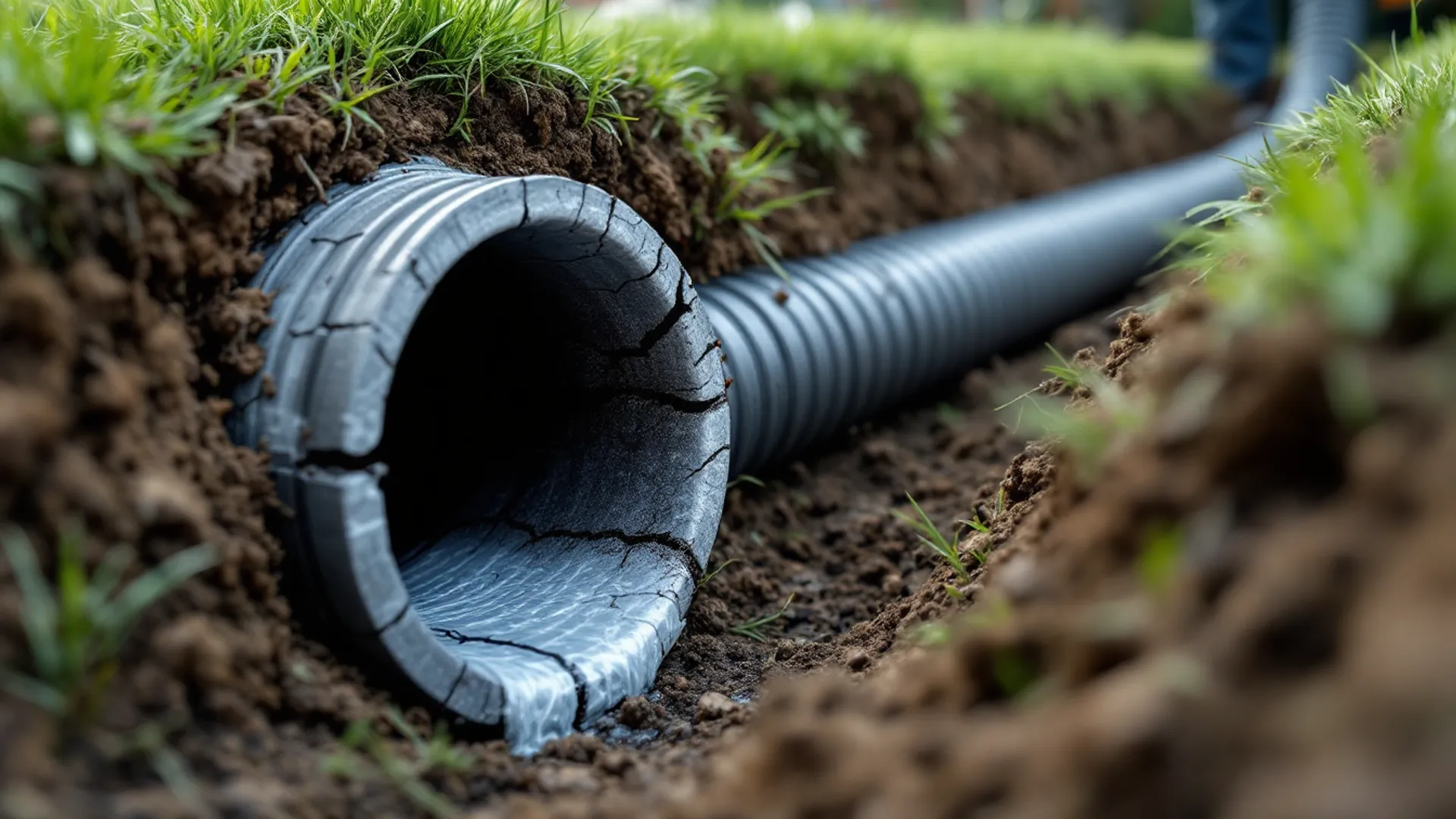
How CIPP drain relining works
CIPP stands for cured-in-place pipe. Crews pull a flexible, resin-soaked liner into the damaged pipe. They press it against the walls and leave it to harden.
Once it sets, the liner forms a new pipe inside the old one. Because the work happens inside the pipe, there is little digging. Access points at each end are usually enough.
What conditions CIPP relining can treat
Relining suits pipes that are cracked, leaking at joints or worn inside. It can also help where roots have entered through small gaps. The liner seals these gaps so roots cannot return through them.
The pipe must still hold its basic shape. If it does, a liner can strengthen it and keep it watertight. A surveyor can tell you whether yours qualifies.
What CIPP relining cannot treat
Some damage is too severe for a liner. A collapsed pipe, a badly shifted section or a large hole may need digging instead. Pipes with sharp bends can also be hard to line.
Crews must clear heavy blockages first, since the liner needs a clear path. In these cases, excavation may be the better choice. Our guide to drain excavation explains what that involves.
How relining is confirmed to be appropriate
A camera survey comes first. It shows the pipe’s shape, the faults and the access points. The surveyor can then say if lining will work.
Without a survey, you are guessing. For that reason, ask for the footage and the report. Our page on CCTV drain survey explains the process.
Relining vs excavation: when to choose which
Relining usually causes less mess, because it needs little digging. It also suits pipes under patios, buildings or mature gardens. Excavation suits pipes that have lost their shape.
However, each drain is different. Ask for both options in writing if you can. Then compare the work, the disruption and the price.
What drives the price
The price depends on the length of the pipe, its diameter and how easy it is to reach. The condition of the pipe and any cleaning needed also matter. Extra work such as cutting out roots adds time.
We cannot give a fixed figure because every drain is different. Ask for a written quote that lists each step. Check who will carry out the final camera check as well.
Related guides and local help
If you want to know more, read CCTV Drain Survey for Commercial Property: What to Expect. You can also read Drain Excavation: What Is Involved and What Affects the Cost and Why You Need a Drain Survey When Buying a House in the UK, because they cover closely related problems.
These guides help too: Drain Camera Inspection: What to Expect and How to Read It, Drainage Guide for New Build Buyers: What to Check First, CCTV Drain Survey Cost Guide: What Affects the Price, Pitch Fibre Pipes: What They Are and What to Do About Them and Chemical vs Mechanical Drain Unblocking: Which Works Best?. Each one explains a related topic in plain English.
Need help near you? Read our CCTV drain survey page first, or see CCTV Survey in Inverness and CCTV Survey in Banbury. You can also see Blocked Drains in Brighouse, since every service page has a free quote form. We pass each request to a local drainage engineer.