What a pre-purchase drain survey covers
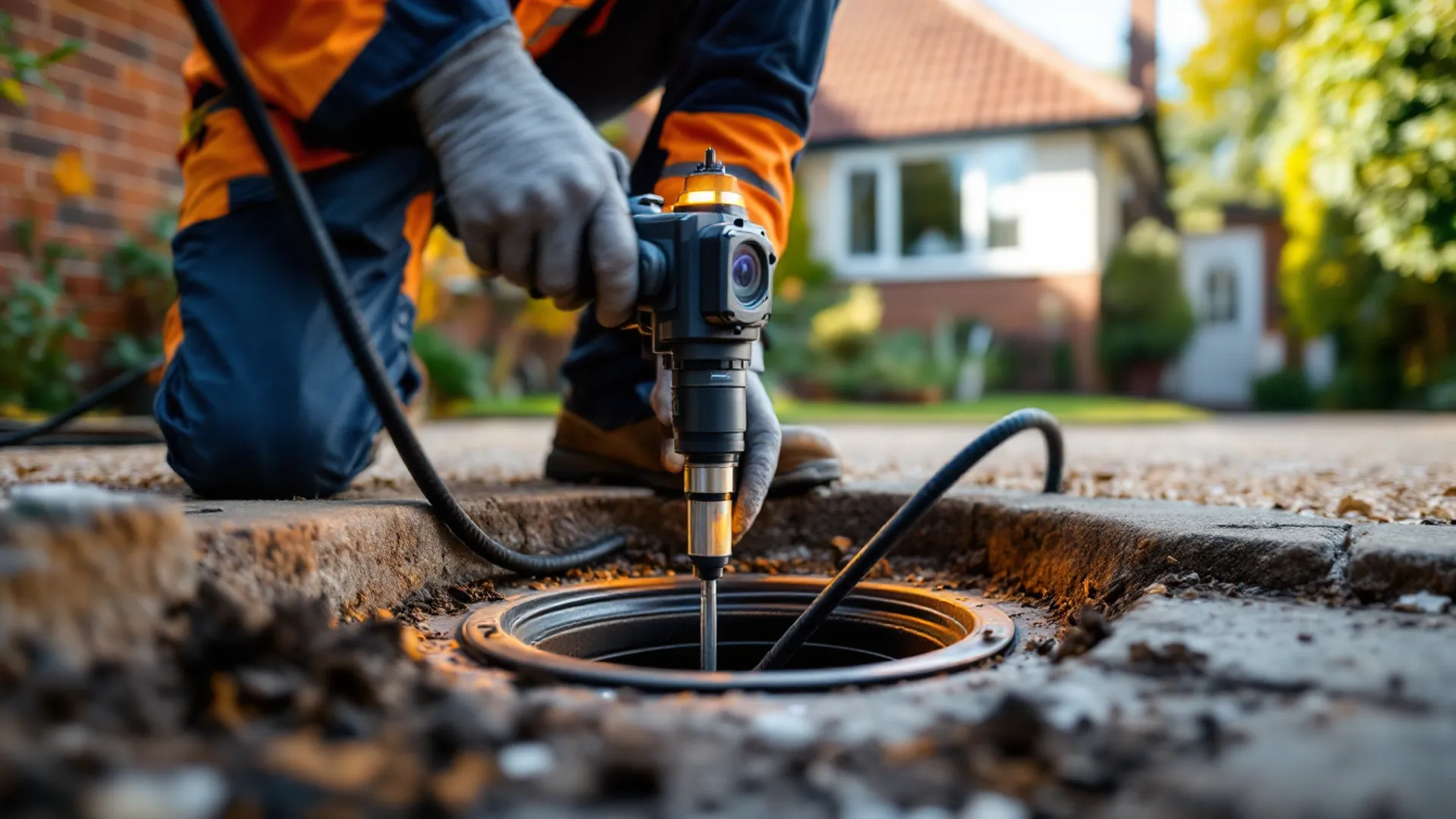
A drain survey sends a camera through the pipes under and around the house. It shows cracks, roots, blockages and broken joints. You also get a record of the drain’s condition on the day.
A standard home survey does not look inside the drains. Therefore, a drain survey fills a gap. It gives you facts about the part of the house you cannot see.
What problems come up most often
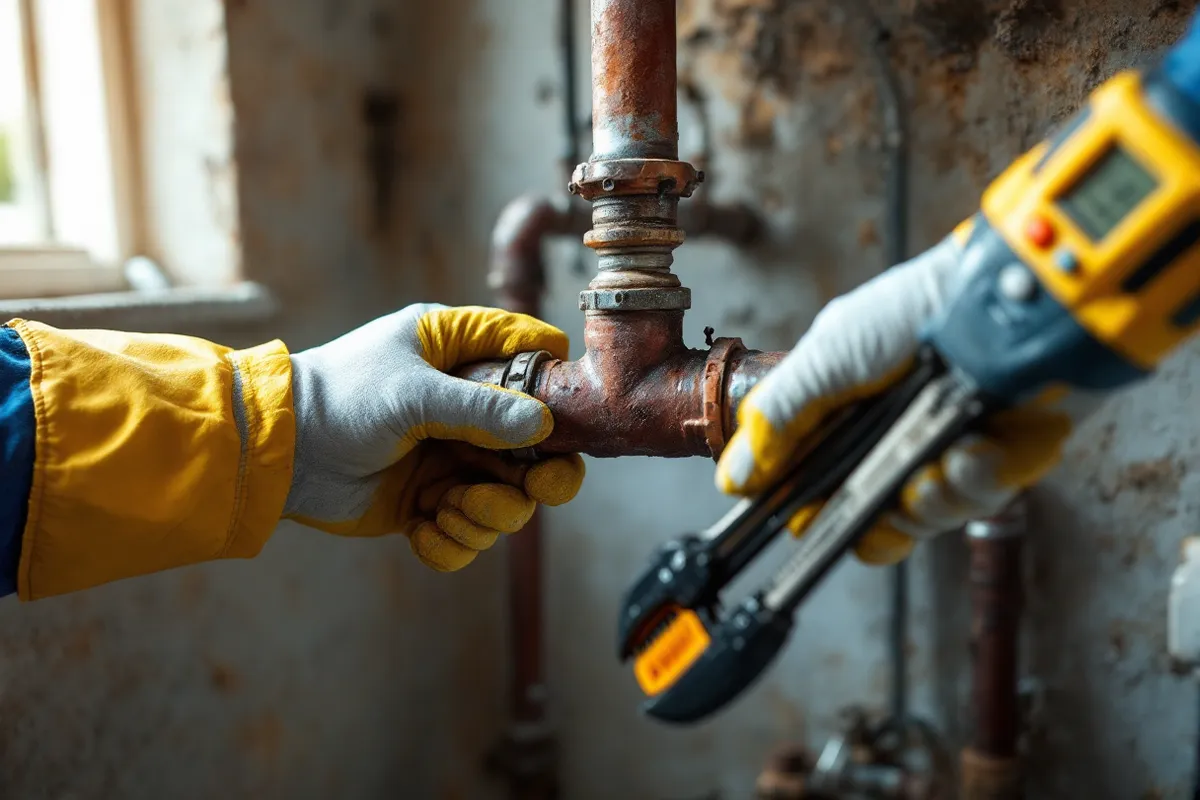
Surveys often find cracked pipes, root growth and joints that have slipped, because drains wear out over time. They also find old pipe types that wear out, such as clay or pitch fibre. Debris and grease build-up are common too.
Older homes tend to have more faults, because the pipes are older. However, newer homes can have problems from poor building work. Read more in our guide to pitch fibre pipes.
What the survey cannot tell you
A camera only sees what it can reach, so a full blockage can stop it. A full blockage or a very tight bend may stop it. Some pipes may be hidden or unlisted.
The survey also cannot say who is responsible for each pipe. Ask your solicitor to check the drainage plans and your water company for public sewer details. Meanwhile, ask the surveyor to explain any gaps.
Timing: when to commission the survey
Ask your solicitor when to book it, since timing depends on your sale. Many buyers do it after an offer is accepted and before they exchange contracts. This gives you time to act on the findings.
Do not leave it until the last day. You need time to read the report and talk about repairs. The seller must agree to access, so ask early.
Using survey findings in negotiation
If the survey finds faults, you can ask the seller to repair them, because buyers often do. You could also ask for a lower price. Show the report and, if you can, a written repair quote.
Stay calm and keep it factual. A clear report is hard to argue with. Your solicitor can help with the wording.
WinCan-compliant reports for mortgage lenders and insurers
Some surveyors use WinCan software, which produces a clear, standard report. Lenders and insurers may ask to see survey evidence, though policies differ. Ask them what they accept before you book.
A tidy report is also easier for your solicitor to read. See our CCTV drain survey page for more on how it works.
What happens if the survey finds serious problems?
You have options, and a repair quote helps you choose. You can ask the seller to repair the drain, ask for a price cut or walk away. A repair quote helps you decide.
Take advice from your solicitor, because the law around sales is complex. Our guide to what to expect from a CCTV drain survey shows how to read the findings.
Related guides and local help
If you want to know more, read Drainage Guide for New Build Buyers: What to Check First. You can also read CCTV Drain Survey for Commercial Property: What to Expect and Pitch Fibre Pipes: What They Are and What to Do About Them, because they cover closely related problems.
These guides help too: Drain Relining (CIPP): How It Works, When It Helps and Cost, UK Property Drainage History: How Home Age Affects Risk, Drain Excavation: What Is Involved and What Affects the Cost, Victorian and Edwardian Drainage: Common Problems to Expect and Drain Camera Inspection: What to Expect and How to Read It. Each one explains a related topic in plain English.
Need help near you? Read our CCTV drain survey page first, or see CCTV Survey in Abbots Langley and CCTV Survey in Aberdare. You can also see Blocked Drains in Bromsgrove, since every service page has a free quote form. We pass each request to a local drainage engineer.