Why pipes freeze and burst
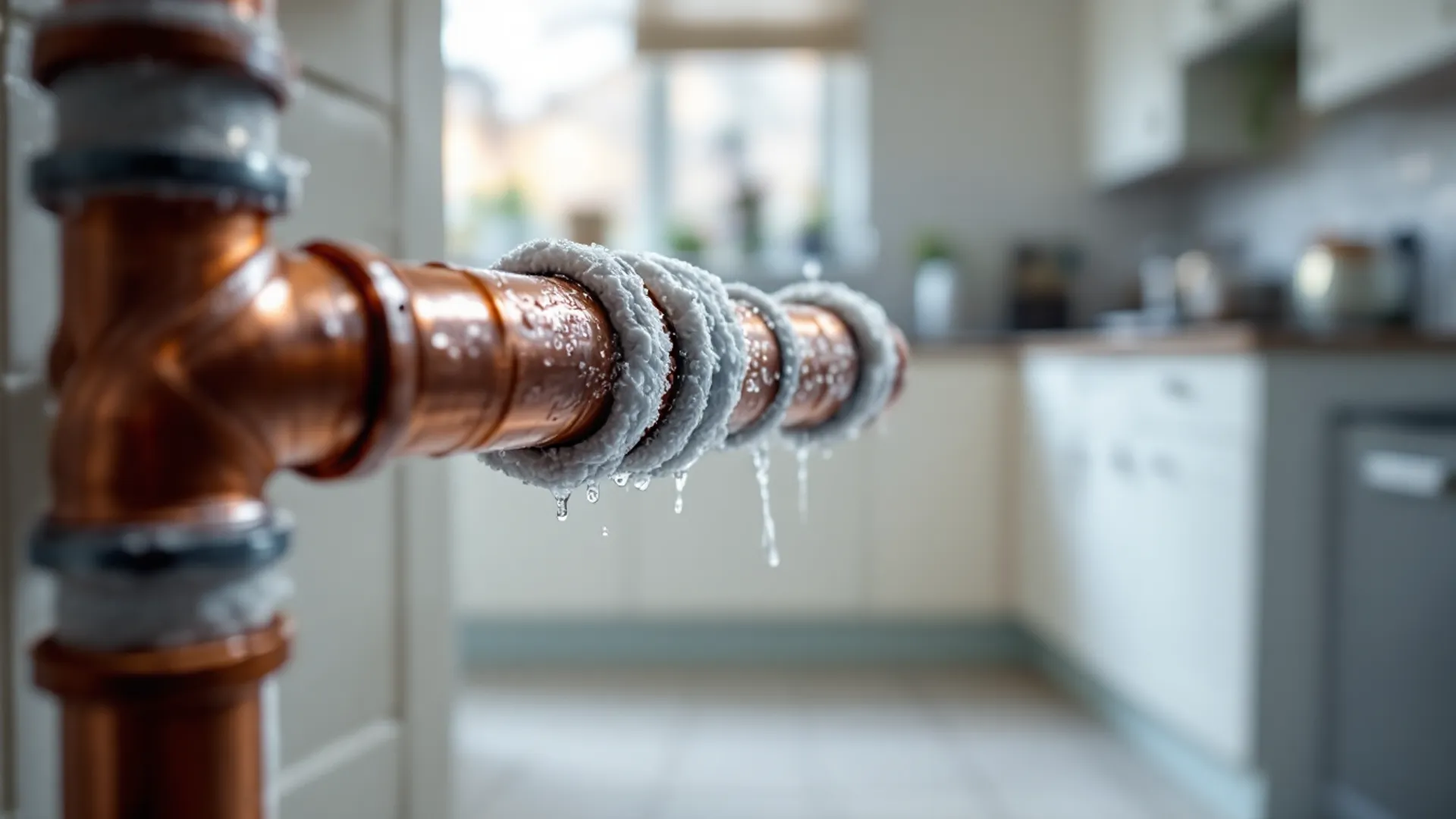
Water expands as it turns to ice. In a pipe, the ice squeezes the water behind it, so pressure builds. The pipe can then split, often at a weak joint.
Pipes in lofts, garages and outside walls freeze first, because they are the coldest. The burst may not show until the ice thaws. For that reason, a damp patch can appear hours later.
How to prevent pipes freezing
Insulate pipes in cold spaces with foam lagging. Cover outside taps and drain them before winter. Keep the heating on low when you are away, since a steady background warmth protects the pipes.
Also open loft hatches on very cold nights so warm air can reach the tanks. Fix dripping taps, because moving water is less likely to freeze. Know where your stopcock is before you need it.
What to do if a pipe freezes
If a tap runs slowly or not at all in cold weather, a pipe may be frozen. Turn off the water at the stopcock first. Then open the tap so water can flow once the ice melts.
Warm the pipe slowly with a hot water bottle or a hairdryer on a low setting. Start near the tap and work back. Never use a naked flame or boiling water, since these can crack the pipe or start a fire.
Signs of a crack after thawing
Once the pipe thaws, turn the water on slowly. Watch for drips, spray or damp. Check ceilings and walls, because water may run behind them.
A drop in water pressure can also point to a leak. If you see any water, turn off the stopcock again. Then call a plumber, since a hidden crack can do a lot of damage.
After a burst: what to do
Turn off the water at the stopcock and switch off the heating. Open taps to drain the system. Keep electrics away from the water.
Move belongings out of the way and mop up. Take photos before you clear up, because your insurer may ask for them. Our guide on what to do when a pipe bursts has the full list.
When to call a plumber rather than thaw yourself
Call a plumber if you cannot find the frozen section. The same applies if the pipe is in a wall or under a floor. Some pipes carry gas or heating, so a professional should handle them.
If you can see a split, do not wait. A plumber can repair or replace the pipe. Meanwhile, keep the water off.
Insurance and frozen pipes
Many home policies cover damage from burst pipes, but terms differ. Some ask you to keep the heating on when the property is empty. Read your policy before winter.
If you claim, report the damage promptly and keep evidence. Ask your insurer what they need.
Related guides and local help
If you want to know more, read Gas Safety: What Every UK Homeowner Needs to Know Today. You can also read Flooded Basement or Cellar: What to Do and How to Prevent It and Preparing Your Home’s Plumbing for Winter: A UK Guide, because they cover closely related problems.
These guides help too: Plumbing Emergency? Here Is Exactly What to Do Right Now, What to Do When a Pipe Bursts: A Step-by-Step UK Guide, Emergency Plumber Costs: What Affects the Price and Tips, How to Find a Water Leak: Detection Methods and When to Call and CCTV Drain Survey: What to Expect and When You Need One. Each one explains a related topic in plain English.
Need help near you? Read our plumbing help page first, or see Emergency Plumber in Brent and Emergency Plumber in Bridgend. You can also see Plumbing Repairs in Devizes, since every service page has a free quote form. We pass each request to a local drainage engineer.