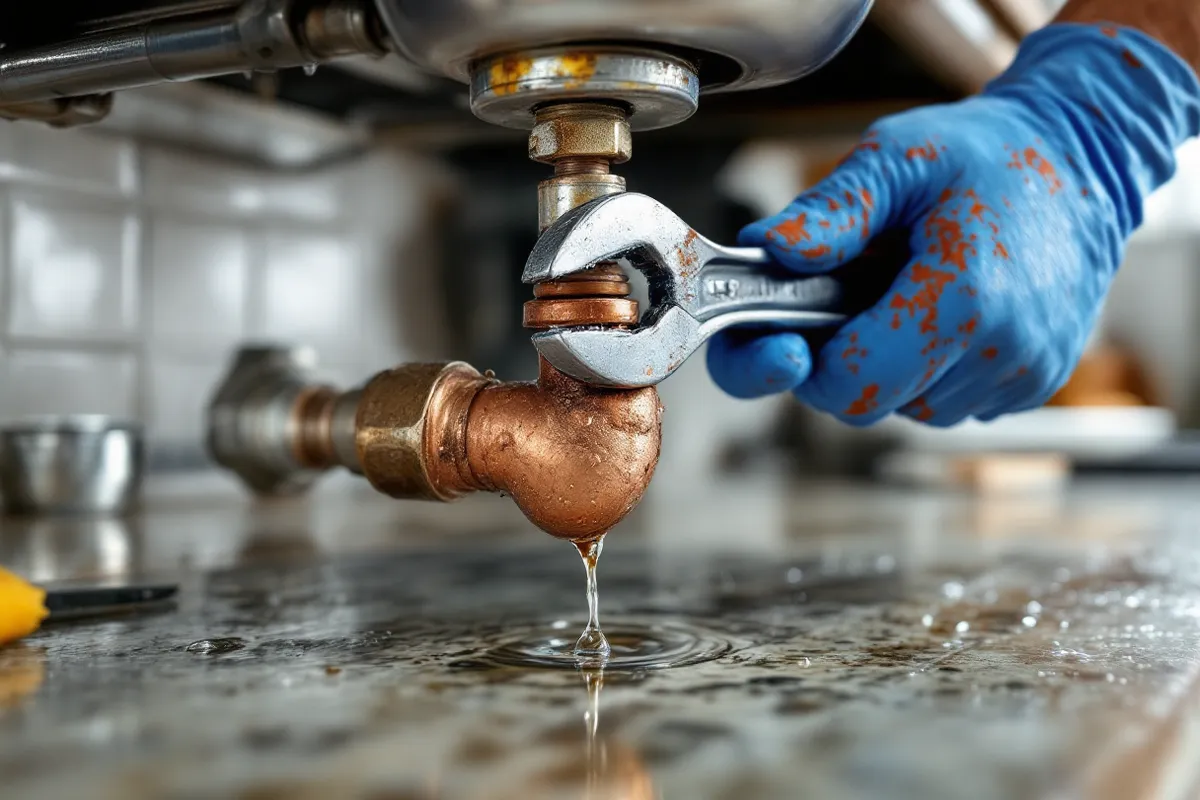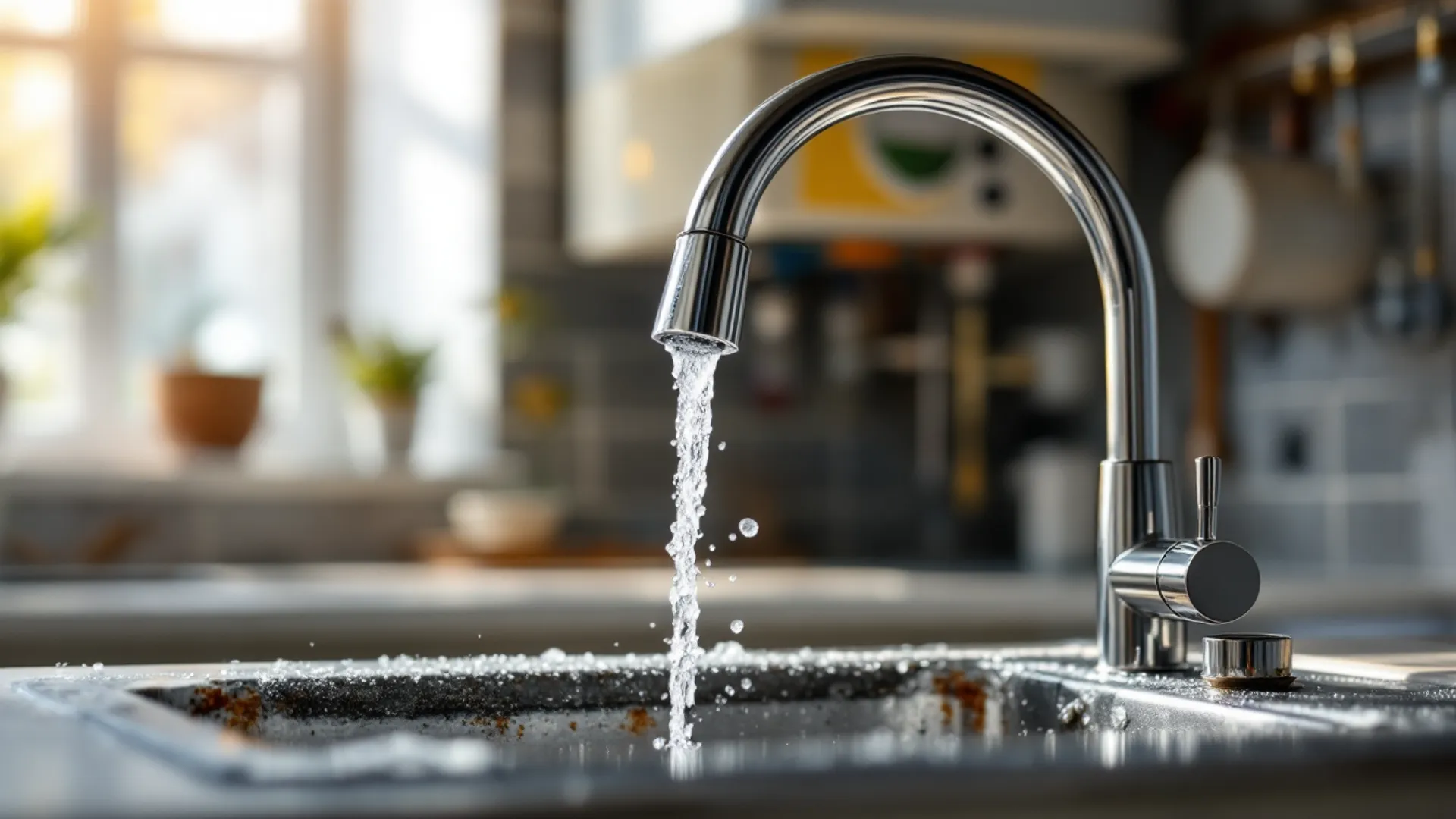
What is hard water?
Hard water contains a lot of dissolved calcium and magnesium. It forms when rain passes through rock such as chalk or limestone. Large parts of England have hard water, while other areas have soft water.
Your water company can tell you how hard your water is. Many publish a postcode checker. Knowing this helps you decide what to do.
Hardness varies a lot from place to place. Even within one region, water can differ from one supply zone to the next. Check your own water company map instead of guessing.
What limescale does to your plumbing
When hard water is heated, it leaves a chalky layer called limescale. The layer coats pipes, taps, kettles and heating parts. Over time it narrows pipes and slows the flow.
Limescale on a heat exchanger acts like a blanket, so the appliance works harder. It can also cause a boiler to make noise. Because the build-up is slow, you may not notice it at first.
Hot water parts suffer most. Immersion heaters, shower heads and kettles collect scale quickly, because heat makes the minerals drop out of the water. Regular descaling of small items helps.
What hard water costs
Limescale can make heating less efficient and may shorten the life of appliances. It also means more cleaning. We cannot give a set figure, since costs depend on the hardness and your home.
If you want to know your own cost, compare appliance repair history and energy use over time. A plumber can show you scale inside parts they remove.
Solutions
A water softener removes the minerals that cause scale. Other options include descaling products, filters and scale inhibitors. Each works in a different way and has limits.
Some devices have mixed evidence, so look for independent test results. Ask an installer to explain what the device does and what it needs. Our guide to water softeners has more.
Signs your system is affected
White crusty marks on taps and showerheads are an early sign. A kettle with a thick coating inside is another. Low flow from the shower can also point to scale.
If your boiler makes a rumbling or whistling noise, scale may be one cause. Ask a heating engineer to check, because several faults can sound alike.
Related guides and local help
If you want to know more, read Hot Water Not Working: A Diagnosis Guide for UK Homes. You can also read Bath vs Shower: Water Use, Running Costs and Drain Impact and How to Find a Reliable Plumber: 10 Things You Should Check, because they cover closely related problems.
These guides help too: Leak Detection Cost Guide: What Changes the Price Most, How to Read Your Water Meter and Use It to Spot Leaks, Leak Detection Methods: Acoustic, Thermal and Tracer Gas, Lead Pipes: Health Risks, How to Spot Them and Replacement and How to Find a Water Leak: Detection Methods and When to Call. Each one explains a related topic in plain English.
Need help near you? Read our plumbing help page first, or see Plumbing Repairs in Bude and Plumbing Repairs in Builth Wells. You can also see Leak Detection in Durham, since every service page has a free quote form. We pass each request to a local drainage engineer.