Why do radiators trap air?
Air gets into heating systems in small amounts over time, because water releases gas as it heats. It rises to the top of a radiator and forms a pocket. The pocket stops hot water from filling the whole radiator.
New water added to the system also brings air. For that reason, radiators can go cold at the top even if the system is healthy. Bleeding lets the air out.
What you need
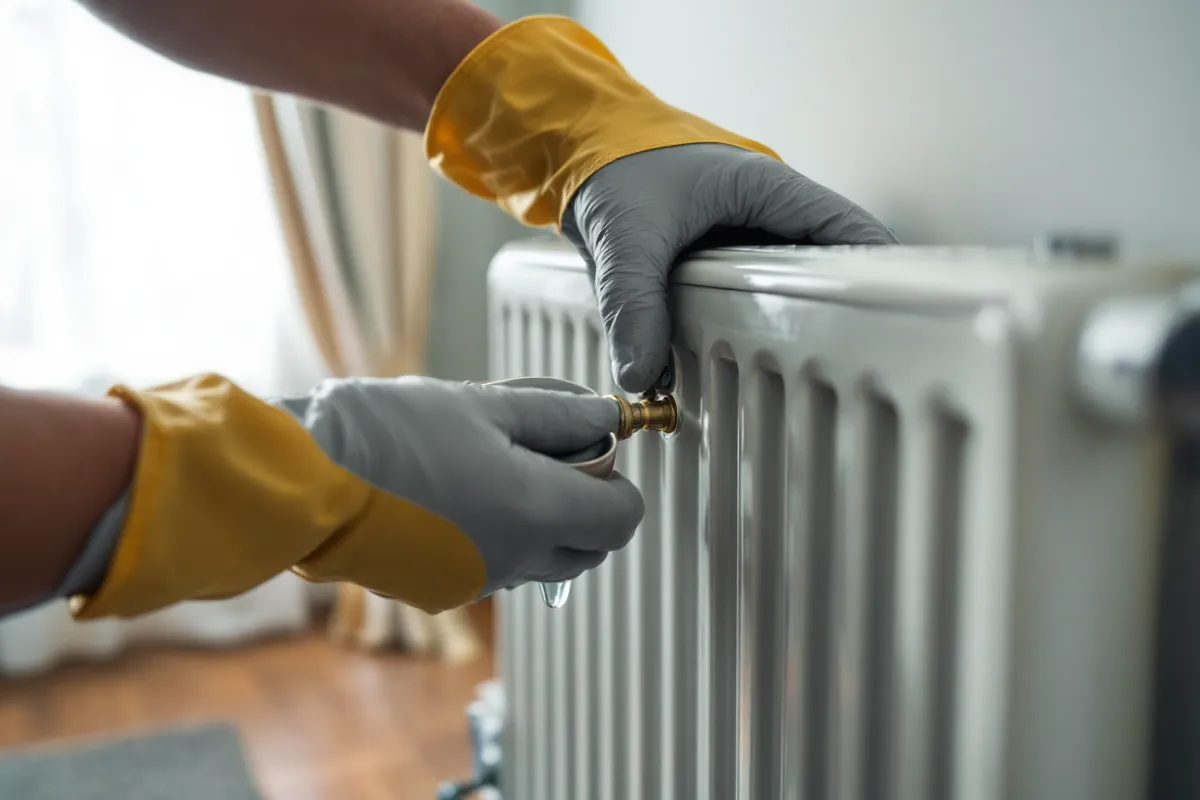
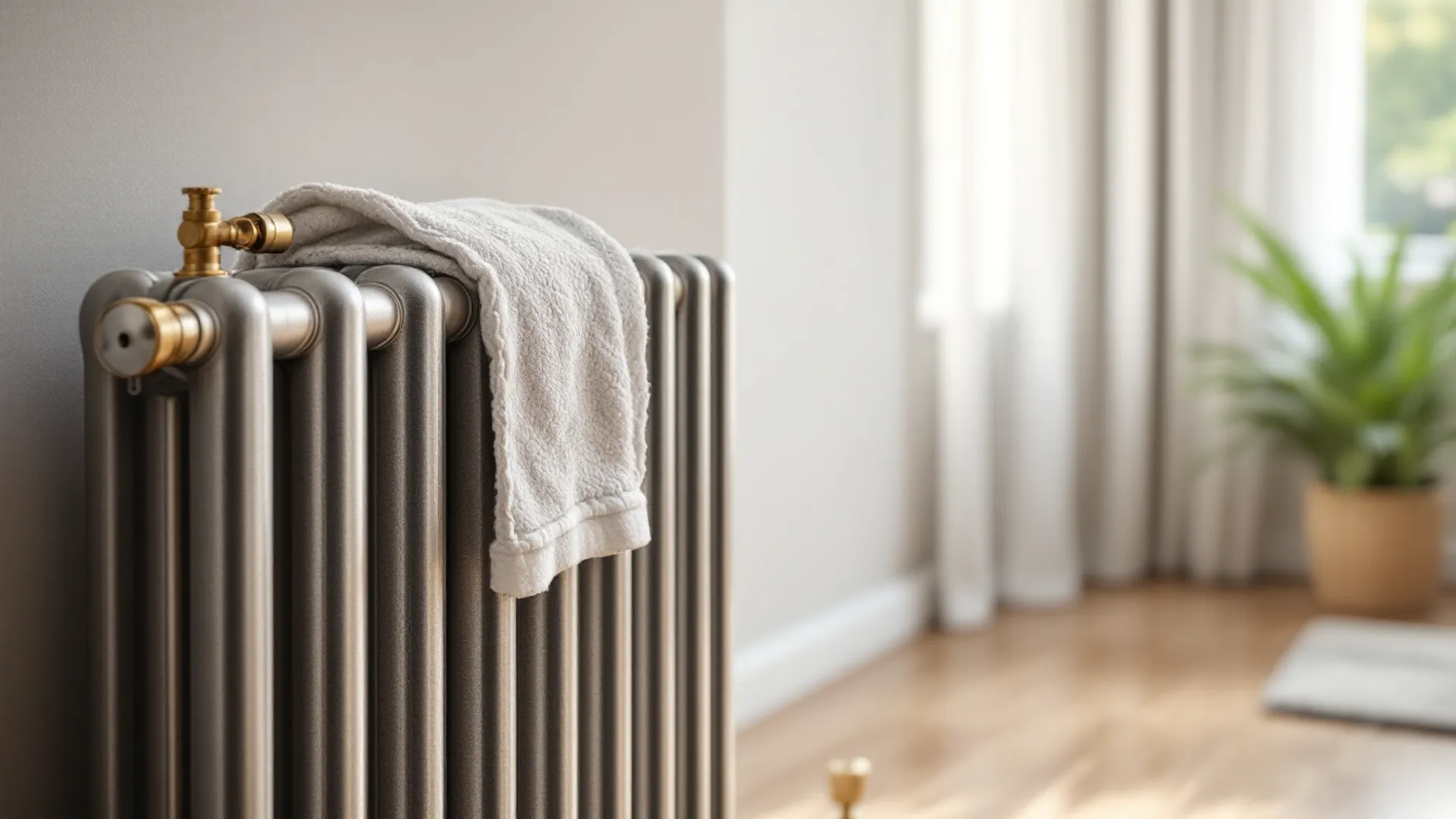
You need a radiator key, which is cheap and easy to find, since most hardware shops sell one. Keep a cloth and a small bowl or towel to catch drips. Some radiators have a screw that needs a flat screwdriver.
Wear old clothes and have a torch ready. Make sure the heating is switched off first. Hot water can burn skin, so wait until the radiators cool.
Step-by-step: how to bleed a radiator
Start with the radiator furthest from the boiler, because air travels there last. Hold the cloth under the bleed valve at the top. Turn the key a quarter turn anticlockwise.
You will hear a hiss as air escapes. Close the valve as soon as water appears. Tighten it gently, because over-tightening can damage it.
Then move to the next radiator. Work through the house in order. Wipe up any drips.
Check your boiler pressure afterwards
Bleeding lets out air, so pressure in the system drops. Check the boiler gauge when you finish. Many boilers need about 1 to 1.5 bar when cold, although your manual gives the right figure.
If the pressure is low, top it up using the filling loop, since the boiler may stop otherwise. Follow the maker’s steps. Our guide to low and high boiler pressure explains more.
When bleeding doesn’t fix cold radiators
If a radiator is cold at the bottom, sludge may be the cause. Bleeding will not help, since the problem is dirt in the water. A heating engineer can advise on cleaning the system.
If every radiator is cold, the pump or boiler may have a fault. Our guide to radiator not heating helps you work out the cause.
How often should you bleed radiators?
Bleed them when you notice cold spots at the top, or at the start of the heating season. Some homes need it often, while others rarely. Frequent air in the system may point to a leak or a fault.
If you need to bleed often, ask an engineer to check. Constant air can cause rust, because oxygen reacts with metal.
Older and gravity-fed systems
Older systems with a tank in the loft work differently, because they are open to the air. They may have a vent pipe, and radiators may need less bleeding. Some have special valves.
If you are not sure, ask a heating engineer. They can show you how your system works. You do not need to risk damage.
Related guides and local help
If you want to know more, read How to Drain and Flush a Central Heating System at Home. You can also read Central Heating Not Working? A Full Step-by-Step Guide and New Boiler Guide: How to Choose the Right Boiler for You, because they cover closely related problems.
These guides help too: Boiler Service: What Happens, How Often and Why It Matters, Powerflush Cost Guide: What Affects the Price You Pay, Boiler Pressure: Normal Range, Low Fixes and High Pressure, Radiator Not Heating: A Diagnosis Guide for Every Fault Type and When to Replace Drain Pipes: Signs, Lifespan and What to Do. Each one explains a related topic in plain English.
Need help near you? Read our powerflush page first, or see Powerflush in Ardrossan and Powerflush in Armagh. You can also see Plumbing Repairs in Calverton, since every service page has a free quote form. We pass each request to a local drainage engineer.