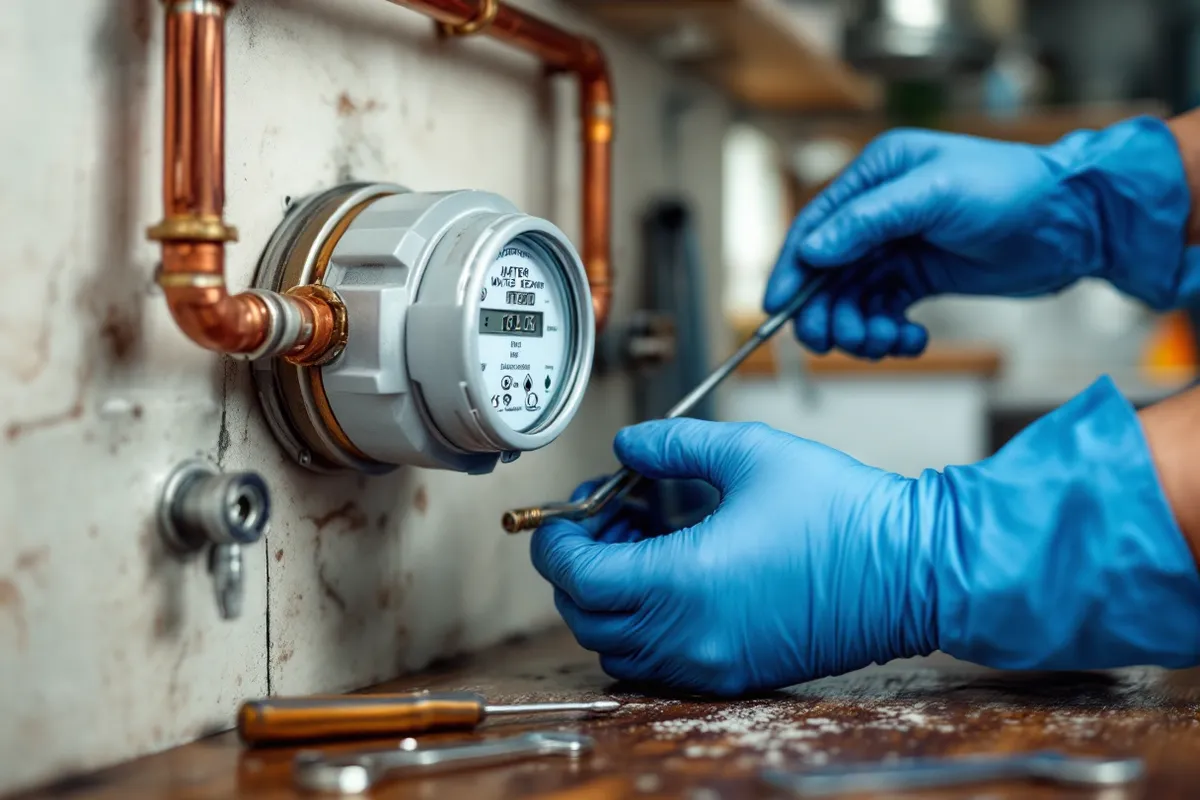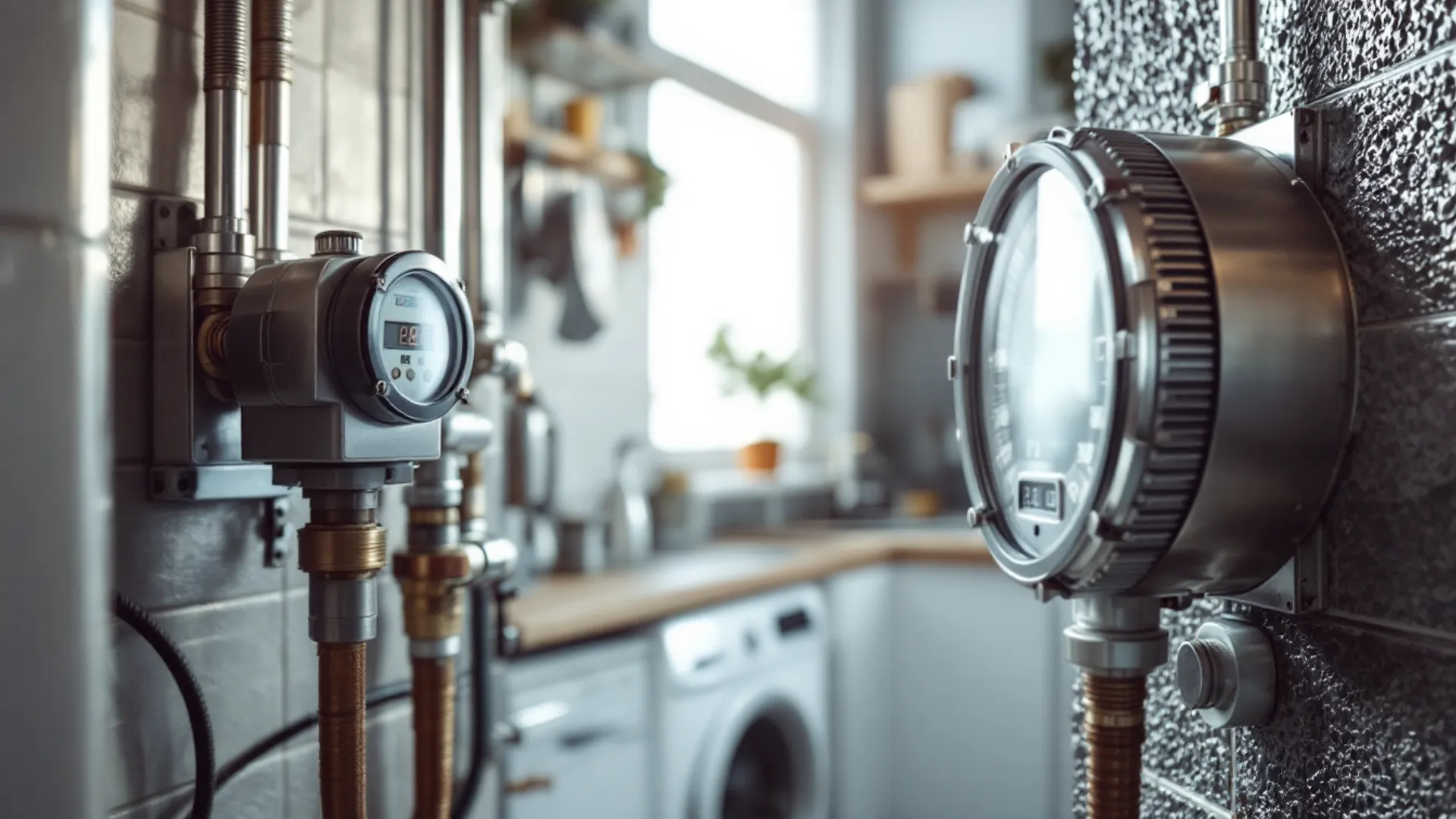
Where is my water meter?
Meters are often in a box near the edge of your property, although some sit inside the house. Some are inside the house, near the stopcock. Check your bill or ask your water company if you cannot find it.
Lift the cover with care, because it may be heavy and dirty. Use a torch. Wear gloves, since boxes can hide insects.
How to read the meter
Most meters show a row of digits, yet the layout varies between models. They record water in cubic metres, and one cubic metre is 1,000 litres. Read the numbers from left to right, and ignore any red digits unless your supplier asks for them.
Write down the reading with the date. Take a photo as well, because it is a handy record. Many water companies let you send a reading online.
The overnight leak test
Turn off every tap and appliance that uses water, because even a dripping tap changes the reading. Note the reading, then wait an hour or leave it overnight. Check again.
If the reading changed, water is moving through the pipes. Many meters also have a small dial or triangle that spins when water flows. If it spins with everything off, you may have a leak.
What meter readings can tell you
Over time, readings show how much water you use each day, while a sudden jump stands out. A sudden jump may point to a leak or a new habit. Compare your use with your bill.
Keep a simple log every month. It helps you spot patterns, since small leaks grow slowly. Your water company may also give guidance on typical use.
How much water should a household use?
Use depends on the number of people and your habits, because every home is different. Water companies publish average figures. Compare yours with the average for a similar household.
Do not worry about small differences. However, a much higher figure may be worth checking, because a leak is a common cause.
Identifying the leak’s location
Turn off the stopcock inside your home and check the meter. If it stops moving, the leak is inside the house. If it keeps moving, the leak may be on the pipe between the meter and the house. Our guide to how to find a water leak has more ways to narrow it down.
When to call a leak detection specialist
Call one if you cannot find the leak yourself, since a specialist can look without digging. A specialist can find hidden leaks without digging up large areas. Ask your water company whether they offer help with leaks on the supply pipe.
Many water companies have a leak allowance policy for metered customers, so ask about yours. Act quickly, because the longer a leak runs, the more it can cost.
Related guides and local help
If you want to know more, read Lead Pipes: Health Risks, How to Spot Them and Replacement. You can also read How to Find a Reliable Plumber: 10 Things You Should Check and Low Water Pressure: Causes, Diagnosis and Fixes in the UK, because they cover closely related problems.
These guides help too: Hot Water Not Working: A Diagnosis Guide for UK Homes, New Bathroom or En-Suite: A Complete Drainage Planning Guide, Hard Water and Your Plumbing: Effects, Costs and Solutions, Noisy Pipes: Water Hammer, Banging and What Causes It and Bath vs Shower: Water Use, Running Costs and Drain Impact. Each one explains a related topic in plain English.
Need help near you? Read our plumbing help page first, or see Plumbing Repairs in Bury and Plumbing Repairs in Bury St Edmunds. You can also see Leak Detection in East Kilbride, since every service page has a free quote form. We pass each request to a local drainage engineer.