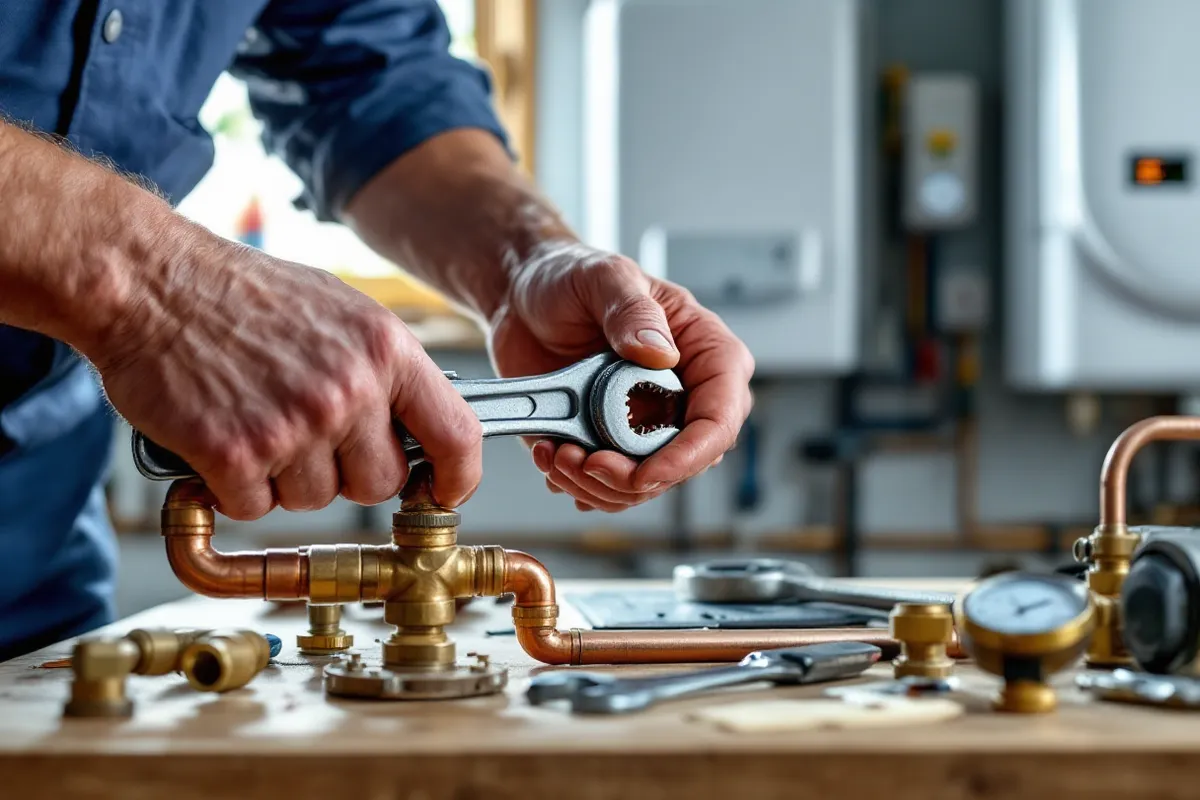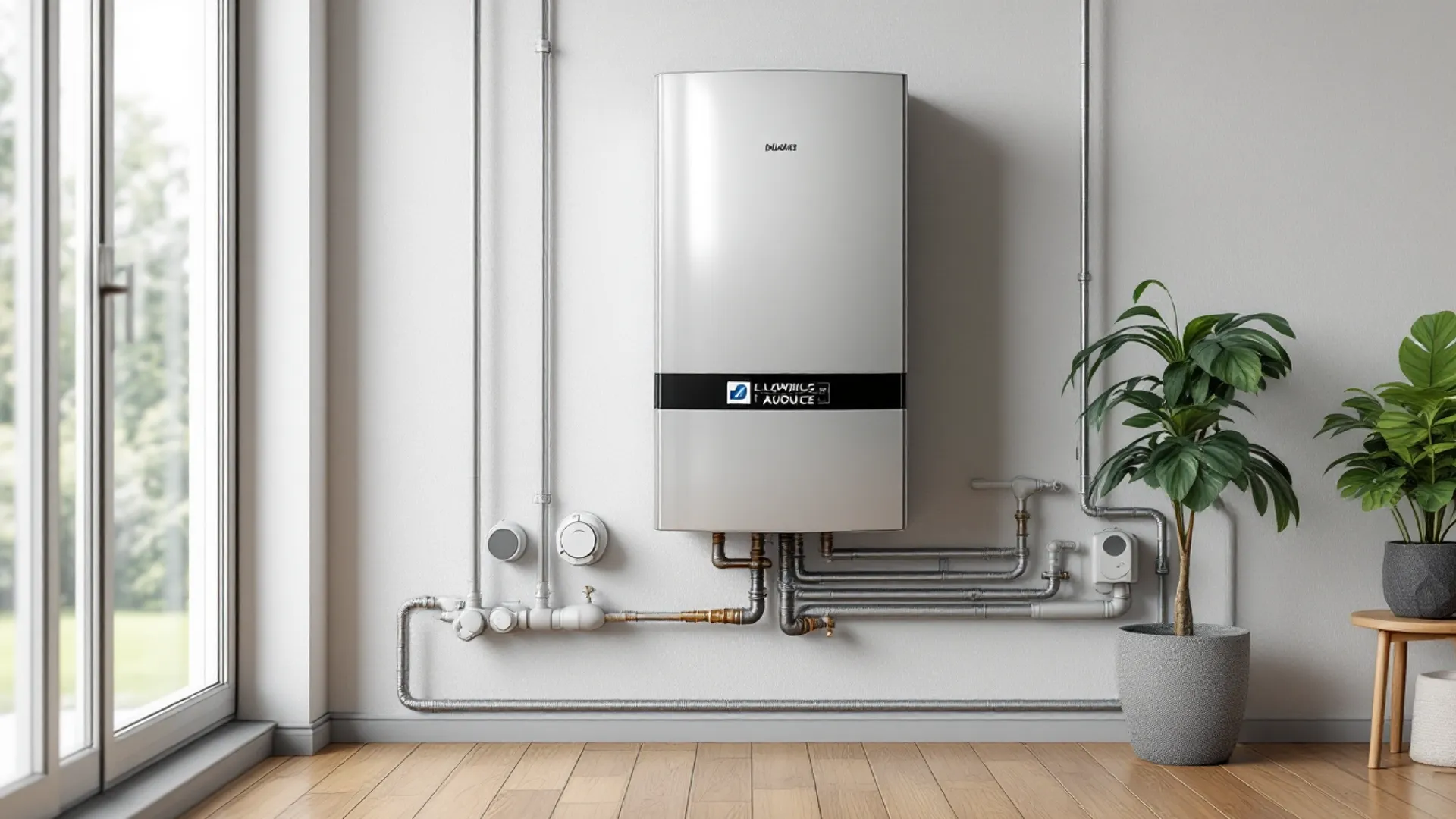
Types of domestic boiler
There are three main types, and each suits a different home. A combi boiler heats water as you use it and needs no tank. A system boiler heats a stored cylinder and works with sealed pipework. A conventional boiler works with a tank in the loft and a cylinder.
Each suits different homes. Combi boilers suit smaller homes with one or two bathrooms, while stored hot water suits homes with high demand. Because the best choice depends on your home, ask an engineer to advise.
What size boiler do you need?
Boiler size is the heat output, measured in kilowatts, so size matters. A boiler that is too small struggles on cold days. One that is too big wastes money and may cycle on and off.
The right size depends on the size of the home, insulation and how much hot water you use. Ask the installer to calculate heat loss, rather than guess. A good survey takes these points into account.
Key brands and what to know
Many makers sell good boilers, yet warranty terms differ. Compare warranty length, spare parts and local service support. Check independent reviews as well as the maker’s claims.
Ask the installer what they recommend and why. Because installers know which boilers they can service well, their advice helps. Check what the warranty needs, since some ask for regular servicing.
The system flush requirement
Makers often ask for the heating system to be cleaned before a new boiler goes in, because old sludge can harm it. Old sludge can harm a new boiler. A flush may also help the system work better.
Ask the installer what cleaning is included in the quote. Read our guide to what a powerflush is and the powerflush cost guide.
Installation requirements
Gas boilers must be fitted by a Gas Safe registered engineer, since gas work is a legal matter. Ask to see their ID card. The installation should follow the maker’s instructions and the Building Regulations.
A new boiler also needs a flue, a condensate pipe and controls. The installer should register the work and give you the paperwork. Keep it safe for warranty claims.
What to look for in an installation quote
A good quote lists the boiler model, the controls, the flue, the cleaning and the labour, because each adds to the price. It should say what is not included. It should show the total price.
Ask about the warranty and who to call if there is a fault. Compare two or three quotes, because the details vary. Be wary of any quote that is vague, since extras can appear later.
Considering heat pumps
Heat pumps use electricity to move heat from the air or ground into your home. They work best in well-insulated homes with suitable radiators or underfloor heating. They run at a lower water temperature than most gas boilers.
Government support schemes may exist, so check current gov.uk guidance. Ask a qualified installer for advice based on your home, because heat loss and radiator size matter. Compare the full costs before you decide.
Related guides and local help
If you want to know more, read Powerflush Cost Guide: What Affects the Price You Pay. You can also read How to Drain and Flush a Central Heating System at Home and Radiator Not Heating: A Diagnosis Guide for Every Fault Type, because they cover closely related problems.
These guides help too: How to Bleed a Radiator: A Simple Step-by-Step UK Guide, 7 Signs You Need a Powerflush, Not Just a Boiler Service, Central Heating Not Working? A Full Step-by-Step Guide, Underfloor Heating Problems: A Diagnosis and Repair Guide and Boiler Service: What Happens, How Often and Why It Matters. Each one explains a related topic in plain English.
Need help near you? Read our powerflush page first, or see Powerflush in Ashford and Powerflush in Ashington. You can also see Plumbing Repairs in Cannock, since every service page has a free quote form. We pass each request to a local drainage engineer.