What moves and what stays
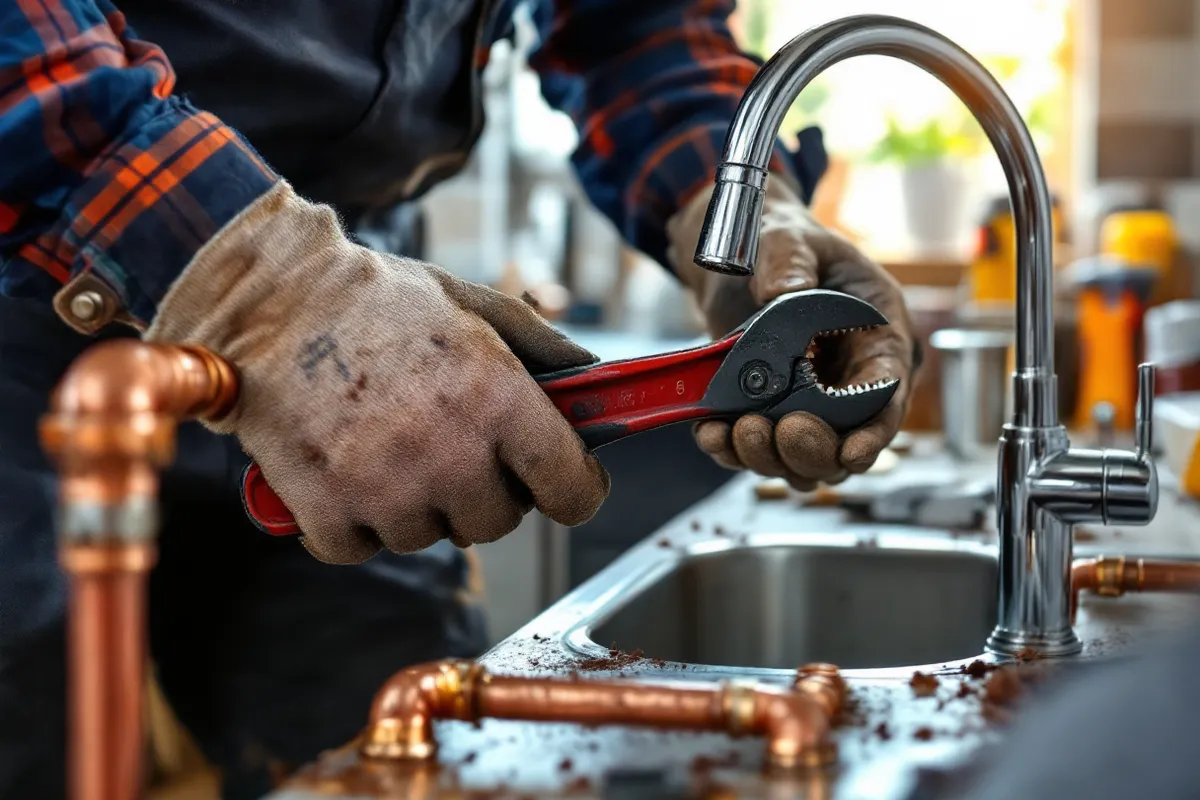
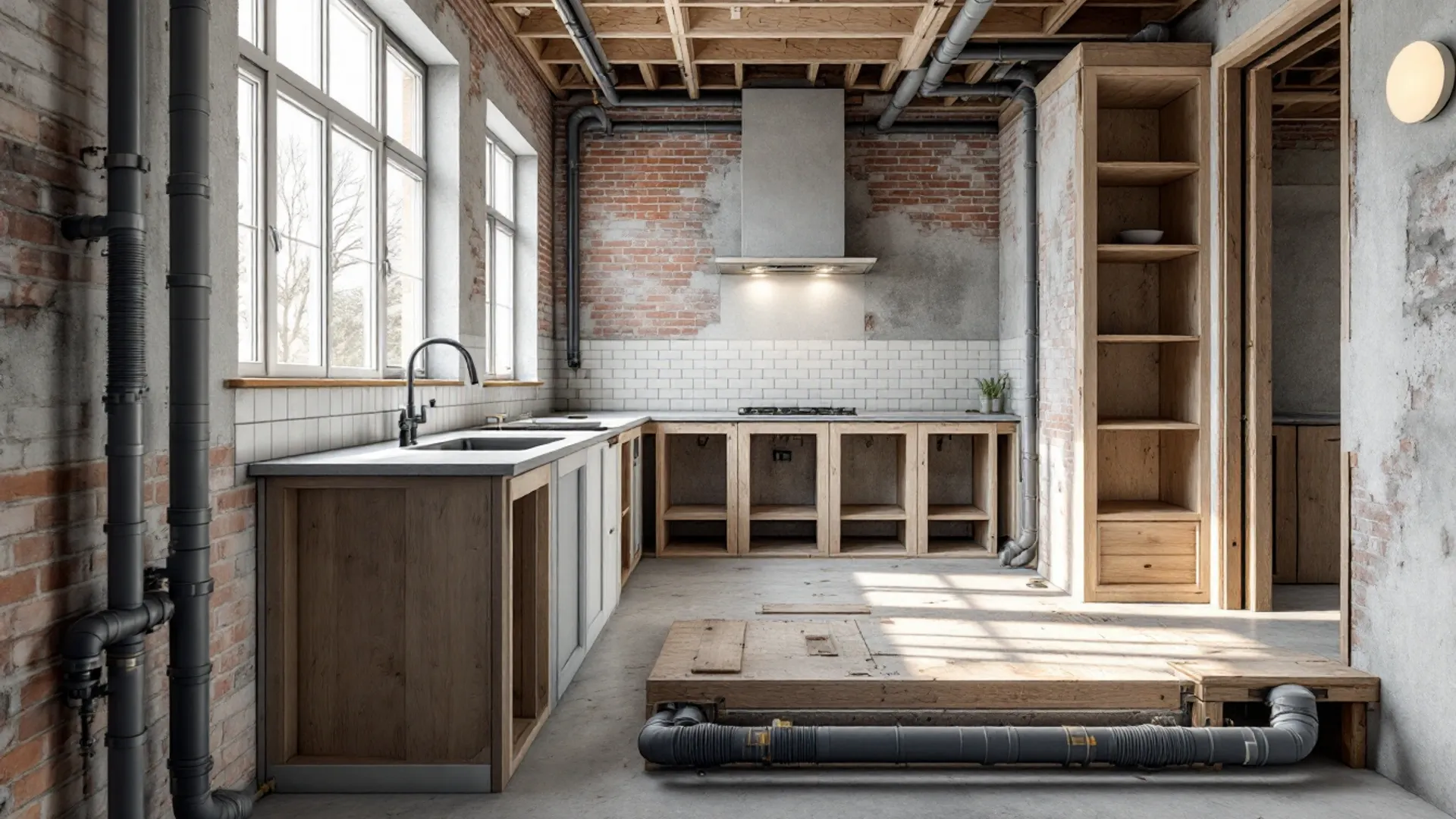
An extension often means moving the sink, the dishwasher and the washing machine, so plan the pipes early. Each one needs a water supply and a waste pipe. The more you move, the more work you create.
Keeping the sink near its old position can save time and money. Plan the layout early, because it decides where pipes must run.
Drainage: the most critical constraint
Drains need a steady slope to work, so you cannot put a sink just anywhere. The new waste pipe must reach the existing drain. A long run may need extra care.
Check where drains run before you build, because surprises cost money. A camera survey shows the route and the condition. Our guide to foul and surface water drains explains why the right connection matters.
Water supply
New pipes bring cold and hot water to the sink and appliances. The supply must be sound, since leaks behind new walls are costly. Add isolation valves so you can turn off each item.
Ask your plumber to check the water pressure. Low pressure can affect taps and appliances.
Gas supply for a relocated kitchen
If you move a gas cooker or hob, a Gas Safe registered engineer must do the work, since gas work is a legal matter. Do not move gas pipes yourself. Always ask to see the engineer’s ID card.
Keep the area well ventilated. Fit a carbon monoxide alarm, since it gives an early warning.
Ensuring the underfloor drainage is accessible
Do not bury inspection chambers under the new floor without access, because drains need cleaning. Drains need to be reachable for cleaning. Ask your builder to raise or protect covers.
Building over a drain needs planning. In some cases, you need the water company’s agreement. Check this before building, because it is hard to fix later.
Building regulations
Drainage and plumbing in an extension may fall under the Building Regulations, so check early. Part H covers drainage. Speak to your local building control team early.
Keep the paperwork and certificates. They help you when you sell. Tell your builder and plumber about the rules before work starts.
Plan for access to every valve and joint. Ask for a drawing of where pipes run, because it helps in future repairs. Take photos before the walls close up.
Related guides and local help
If you want to know more, read Plumbing Jargon Explained: A Homeowner’s Guide to Key Terms. You can also read 5 Plumbing Checks to Do Before You Leave on Holiday Trips and 6 Ways to Protect Your Pipes from Freezing This Winter, because they cover closely related problems.
These guides help too: 5 Common Mistakes to Avoid When a Pipe Bursts at Home, Scale Inhibitors for UK Homes: Do They Actually Work?, Noisy Pipes: Water Hammer, Banging and What Causes It, Smart Home Plumbing Technology: What Is Worth Buying Now and New Bathroom or En-Suite: A Complete Drainage Planning Guide. Each one explains a related topic in plain English.
Need help near you? Read our plumbing help page first, or see Plumbing Repairs in Carlisle and Plumbing Repairs in Carlton. You can also see Leak Detection in Epsom, since every service page has a free quote form. We pass each request to a local drainage engineer.