Types of underfloor heating
There are two main types, and each fails in its own way. Wet systems use pipes with warm water running through them. Electric systems use heating cables or mats under the floor.
Each type fails in different ways. Know which one you have, because the checks differ. Look at your paperwork or ask your installer.
How wet UFH works
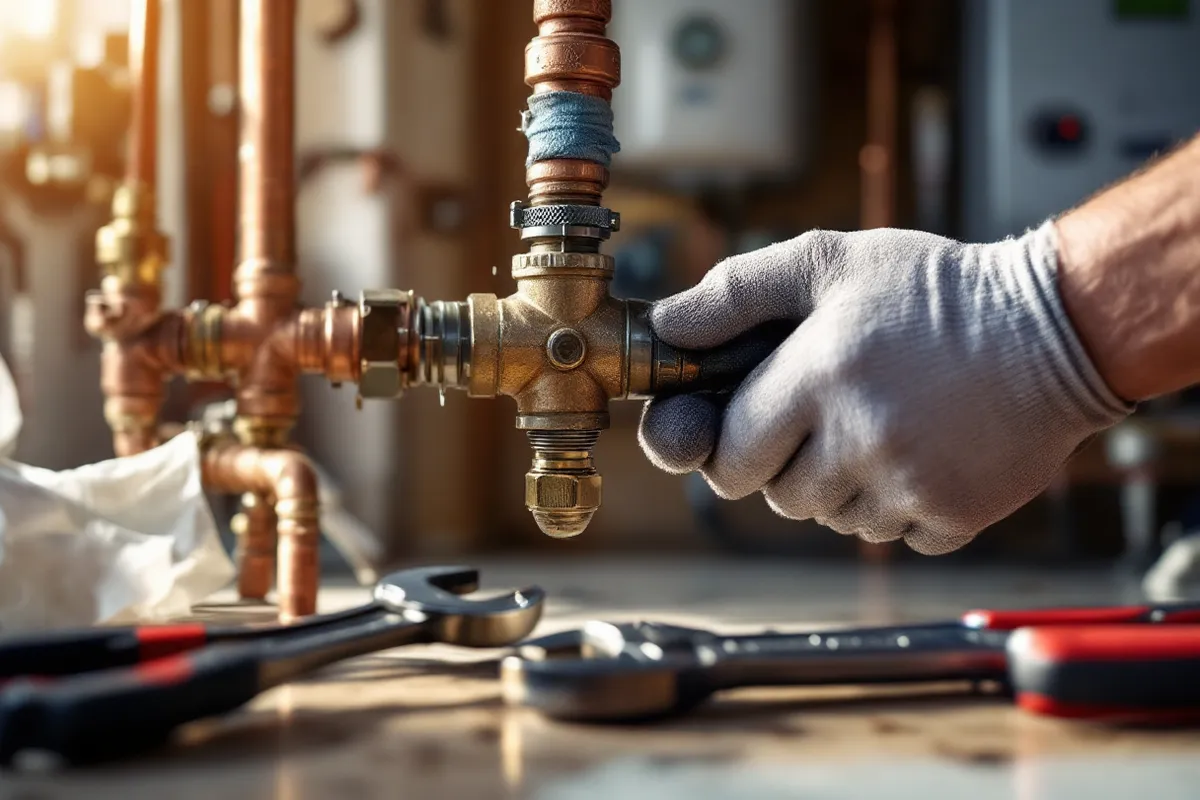
A wet system takes warm water from the boiler or a heat source. A manifold shares it between loops of pipe under the floor. Each loop can have its own valve or actuator.
A room thermostat tells the system when to heat. Because the water is warm and not hot, the floor warms slowly. This is normal.
Fault 1: Zone not heating (individual room or area)
Check the room thermostat first. Make sure it is on and set above the room temperature. Replace the batteries if it has them.
Next, check the valve at the manifold for that loop. A stuck valve can stop the flow. A heating engineer can free or replace the part.
Fault 2: All zones not heating (whole-system UFH fault)
Check the boiler and the heating controls, because the fault is often simple. Make sure the programmer calls for heat. Check the pump on the manifold too.
If the boiler runs but nothing heats, a pump or mixing valve may have failed. This needs an engineer, since the parts need testing.
Fault 3: Uneven floor temperature (some areas hot, some cold)
Uneven heat can come from air in the pipes or from a loop that is not balanced, since both limit the flow. Trapped air blocks the flow. An engineer can bleed the loops and balance the system.
Furniture and thick rugs can also change how the floor feels. Check before you assume a fault, because insulation on top reduces heat.
Fault 4: Leak in the UFH circuit
A leak in a wet system may show as falling boiler pressure. You may also see damp on the floor. Turn off the system and call an engineer.
Specialists can find the leak with detection tools, so they may not need to lift the whole floor. Our guide to leak detection methods explains some of these tools.
Fault 5: Floor warm but room not reaching setpoint
The floor may be warm while the room stays cool. The system may be undersized or the room may lose heat fast. Poor insulation or draughts add to the problem.
Check the flow temperature setting. Ask an installer to review the design, because changes may be simple. Take care not to raise the temperature too far, since floors can be damaged by too much heat.
Related guides and local help
If you want to know more, read What Is a Powerflush and Does Your Boiler Need One Now?. You can also read 7 Signs You Need a Powerflush, Not Just a Boiler Service and Annual Plumbing and Drainage Maintenance Checklist, because they cover closely related problems.
These guides help too: Radiator Not Heating: A Diagnosis Guide for Every Fault Type, Commercial Drain Maintenance: A Practical Guide for Owners, Powerflush Cost Guide: What Affects the Price You Pay, DIY Drain Maintenance: What to Do and What to Leave to Pros and New Boiler Guide: How to Choose the Right Boiler for You. Each one explains a related topic in plain English.
Need help near you? Read our powerflush page first, or see Powerflush in Ayr and Powerflush in Baldock. You can also see Plumbing Repairs in Catcliffe, since every service page has a free quote form. We pass each request to a local drainage engineer.