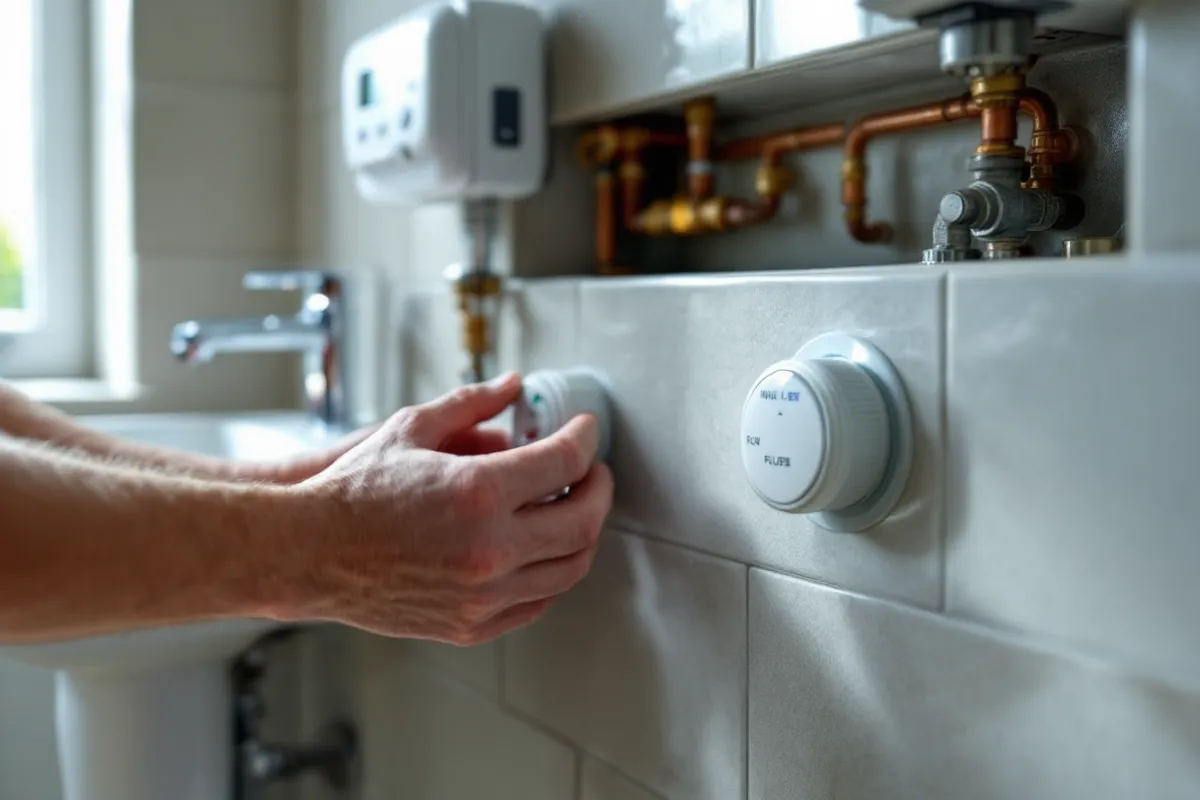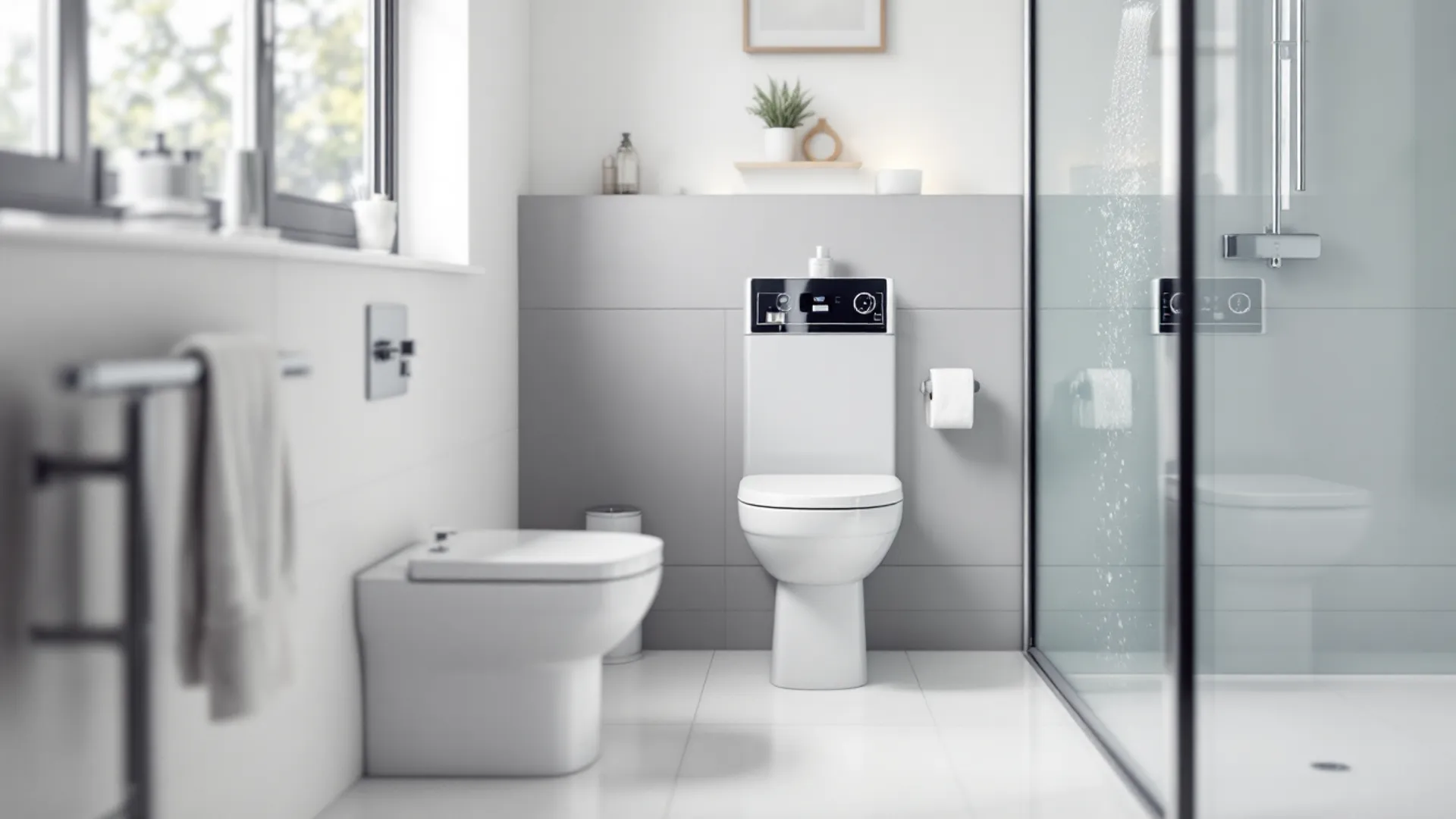
The biggest wins: where water is used
Most household water goes on toilets, showers, baths, washing and the garden. Look at your own habits first. Then target the biggest uses.
A water meter helps, since it shows how much you use. Water companies publish typical figures too. Compare yours to see if you are above average.
Small habits matter more than gadgets. Turn off the tap while you brush your teeth, since a running tap wastes water. Fill the kettle with only what you need, because heating less water also saves energy.
Fix leaks first
A dripping tap or a running toilet wastes water all day, so fix these first. Fix these before you change habits. A hidden leak can waste even more.
Check your meter with all taps off. If it moves, look for a leak. Our guide on how to find a water leak helps.
Toilet cistern measures
Older toilets can use more water per flush, so a dual flush helps. A dual flush or a smaller cistern helps. Some water companies give away free devices that reduce flush volume.
Check that the cistern does not leak into the bowl. A simple dye test shows this. Fixing a leaking valve saves water at once.
Shower measures
A shorter shower saves water and heat. A water-saving shower head can cut flow without a weak spray. Turn off the water while you lather.
Compare showers with baths, as in our guide to bath vs shower water usage. The shower type matters, because power showers use a lot.
Washing machine and dishwasher
Run full loads, since half loads waste water. Choose an eco programme when it suits. Newer machines often use less water.
Scrape plates rather than rinsing them. Check hoses for leaks, because hidden drips cause damage.
Garden watering
Use a water butt to collect rain for the garden, because it is free water. Water in the evening or morning, so less evaporates. Mulch beds to keep soil moist.
Avoid hosepipes when rules limit their use. Check your water company’s rules, because they can change in dry weather.
How water efficiency affects drainage
Using less water means less flows into your drains. This can ease pressure on old pipes. However, low flow can mean waste moves slowly, so keep drains clean.
Do not stop flushing properly to save water. A weak flush leaves waste in the pipe, and that can cause blockages.
Related guides and local help
If you want to know more, read Water Softener Guide: How They Work, Costs and Installation. You can also read Understanding Your Water Bill: Metered vs Rateable Value and Bathroom Drain Problems: Hair, Soap Scum and Real Fixes, because they cover closely related problems.
These guides help too: Smart Home Plumbing Technology: What Is Worth Buying Now, Blocked Bath Drain: Causes, Quick Fixes and Prevention Tips, Scale Inhibitors for UK Homes: Do They Actually Work?, Blocked Drain Emergency: What to Do Right Now in the UK and 6 Ways to Protect Your Pipes from Freezing This Winter. Each one explains a related topic in plain English.
Need help near you? Read our plumbing help page first, or see Plumbing Repairs in Chilwell and Plumbing Repairs in Chippenham. You can also see Leak Detection in Farsley, since every service page has a free quote form. We pass each request to a local drainage engineer.