What is magnetite sludge?
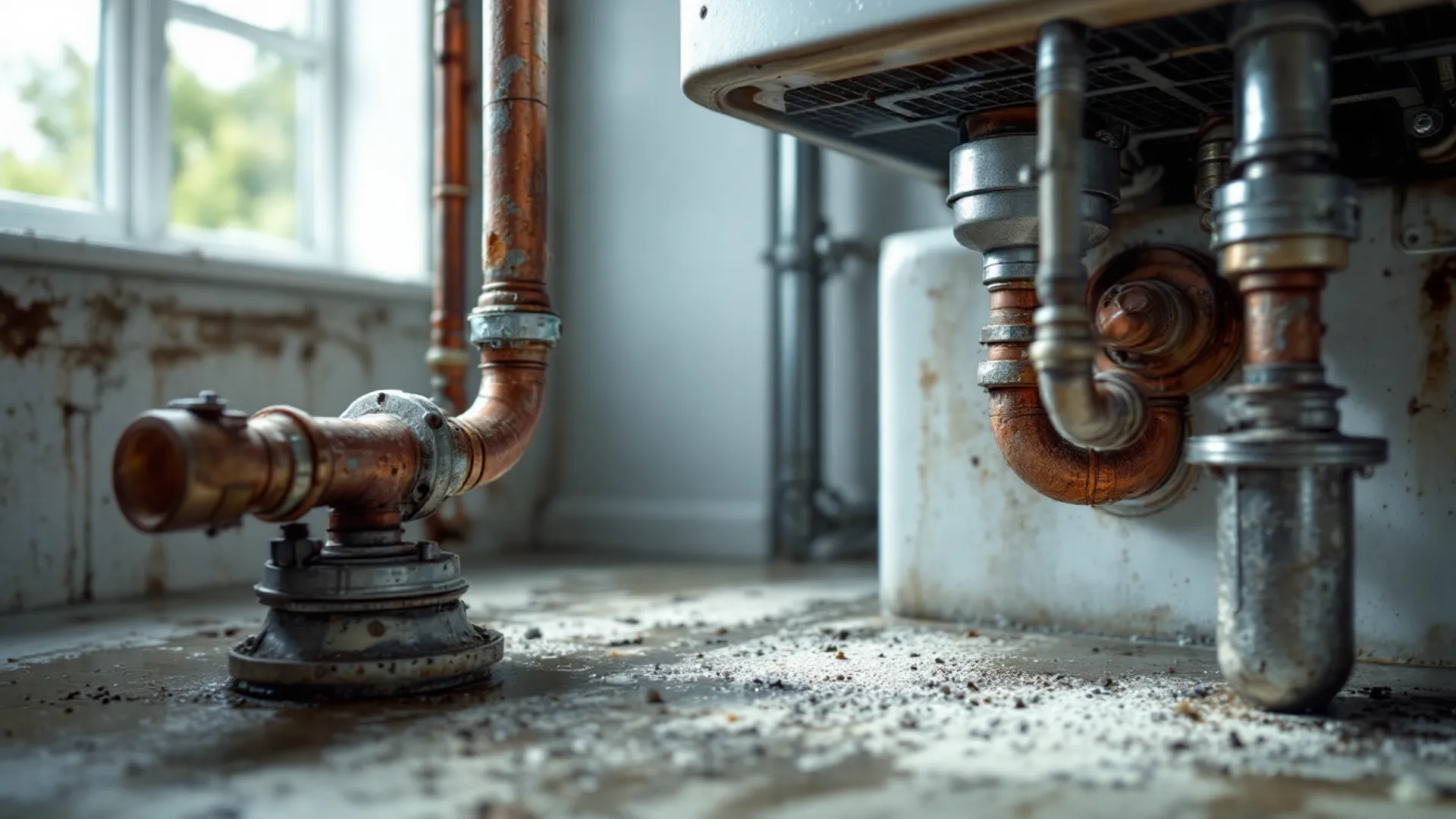
Magnetite sludge is a black mix of rust and dirt. It forms when water reacts with the steel parts of a heating system. Over time it settles in radiators and pipes.
The sludge can block the flow, so some radiators heat poorly. It can also reach the boiler and pump. As a result, it can harm the whole system.
Signs your system needs a powerflush
Common signs include radiators that are cold at the bottom, black water and a noisy boiler. Slow warm-up is another clue. Some radiators may stay cool while others get hot.
Read our guide to powerflush costs to see what changes the price. Check simple fixes first, because bleeding may solve some problems.
What does a powerflush involve?
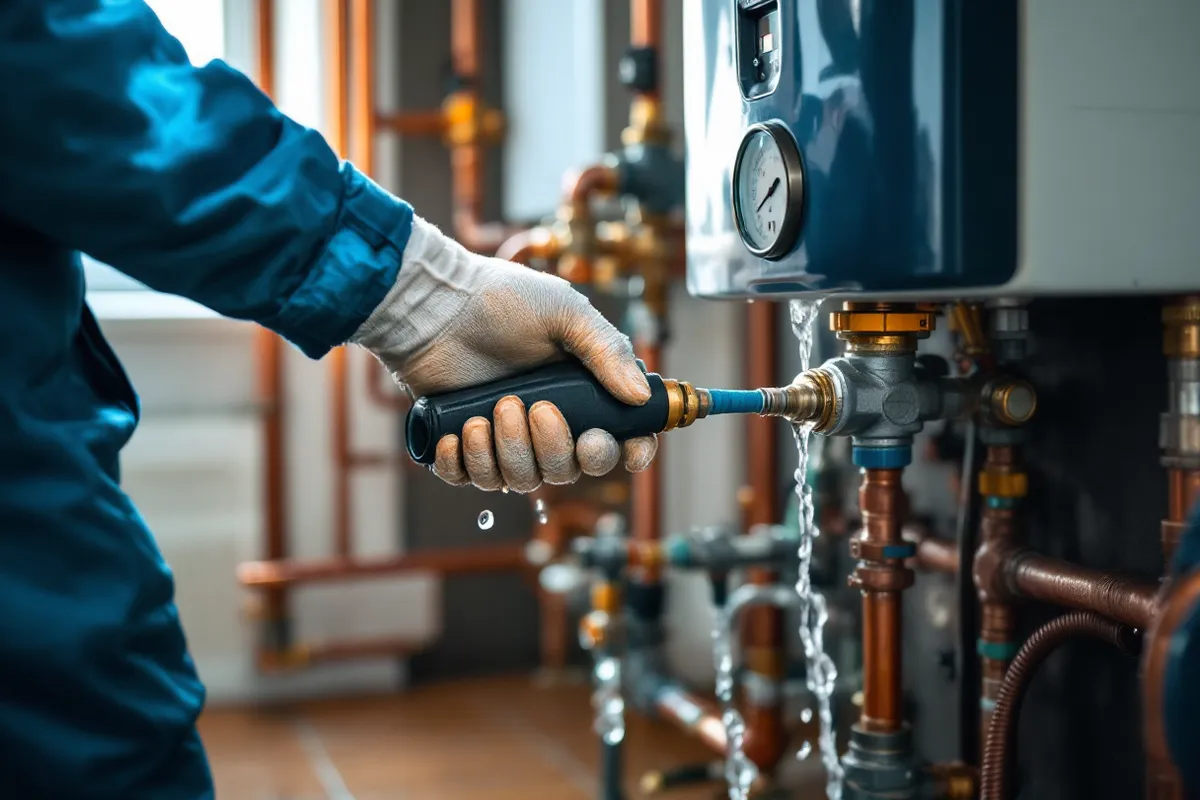
An engineer connects a pump to the system. They add a cleaning chemical and push water through each radiator. This loosens and removes the sludge.
At the end, they rinse the system and add a corrosion inhibitor. They then check the heating works well. Our powerflush page describes the service.
How much does a powerflush cost?
The price depends on the size of the system and how dirty it is. We cannot give a fixed figure. Ask for a written quote that lists the work.
Compare quotes from different firms, since the details vary. See our powerflush cost guide.
Does a powerflush work on every system?
Not always. A fragile or leaking system may not suit it. Old pipes can fail under pressure.
A heating engineer should check the system first. Because each home differs, ask for advice on your own system.
Powerflush vs chemical flush
A chemical flush adds a cleaner and lets it circulate, without a strong pump. It is gentler and may suit lighter dirt. A powerflush uses a pump for a deeper clean.
Ask your engineer which suits your system. For DIY draining, see our guide to draining and flushing central heating.
Protecting your system after a powerflush
Make sure an inhibitor is in the system. Fit a magnetic filter if you do not have one, because it catches dirt. Book regular boiler services.
Check radiators from time to time. If cold spots return, ask an engineer to look. Early action keeps the system clean.
Related guides and local help
If you want to know more, read Annual Plumbing and Drainage Maintenance Checklist. You can also read Underfloor Heating Problems: A Diagnosis and Repair Guide and Commercial Drain Maintenance: A Practical Guide for Owners, because they cover closely related problems.
These guides help too: 7 Signs You Need a Powerflush, Not Just a Boiler Service, DIY Drain Maintenance: What to Do and What to Leave to Pros, Radiator Not Heating: A Diagnosis Guide for Every Fault Type, Building Regulations for Drainage: What You Need to Know and Powerflush Cost Guide: What Affects the Price You Pay. Each one explains a related topic in plain English.
Need help near you? Read our powerflush page first, or see Powerflush in Ballymena and Powerflush in Ballymoney. You can also see Plumbing Repairs in Cheltenham, since every service page has a free quote form. We pass each request to a local drainage engineer.