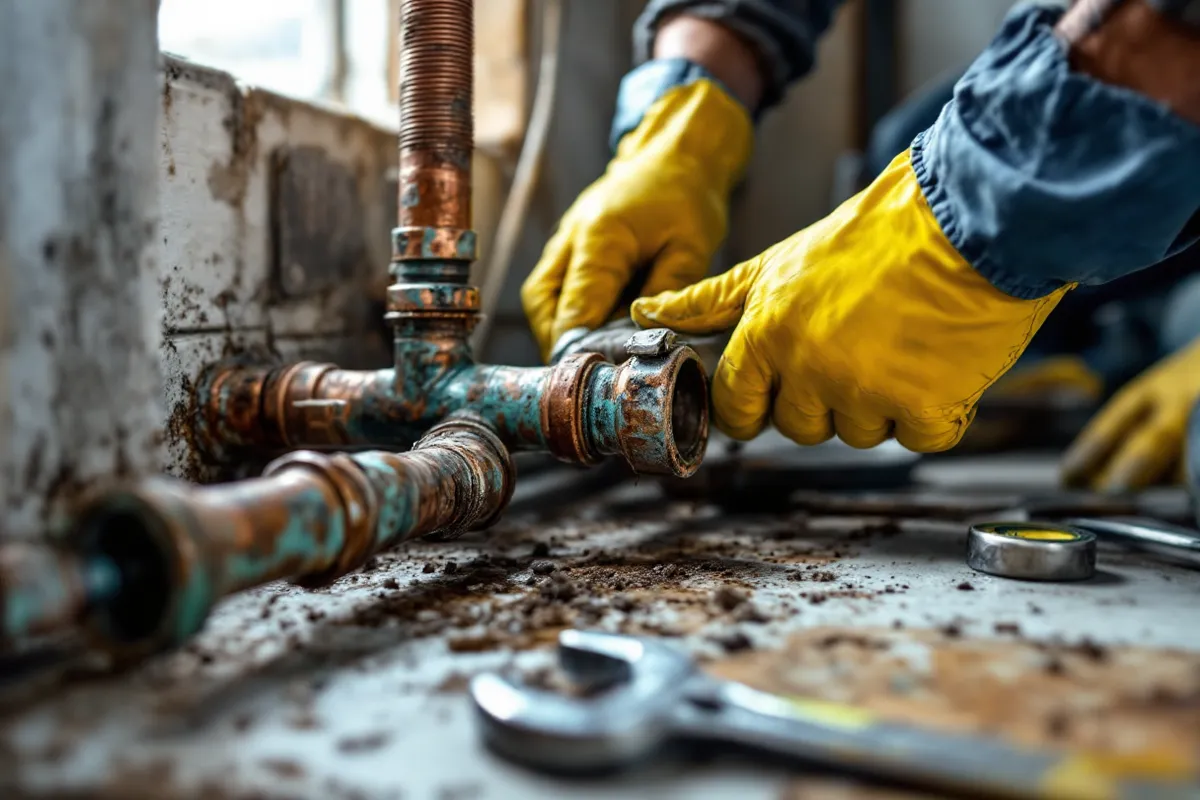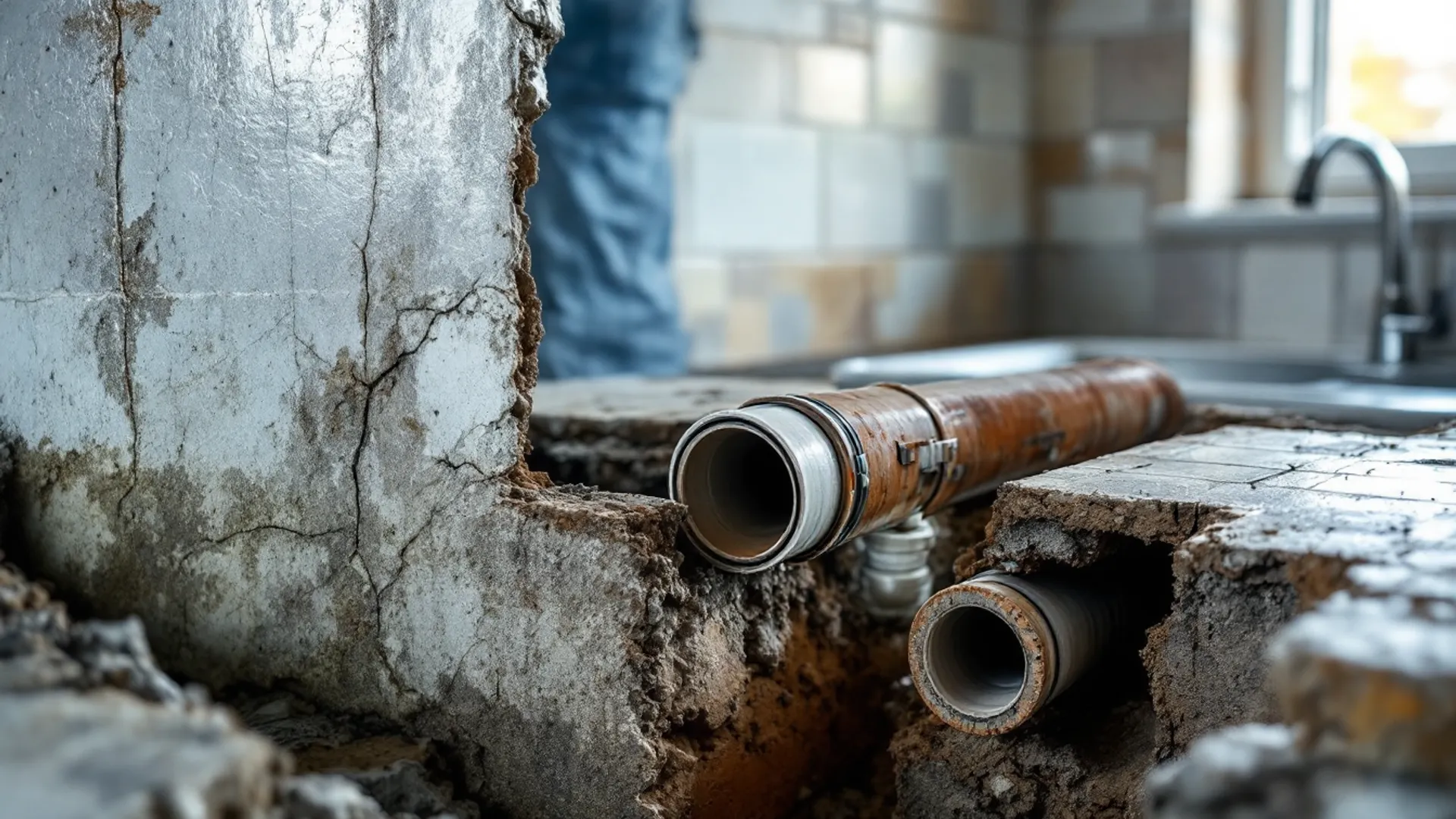
How long do drain pipes last?
Drain pipes last for different lengths of time, because conditions differ. The material, the ground and the care they get all matter. Clay can last a very long time if it stays sound, while some other materials wear out sooner.
Age alone does not decide it. A camera survey shows the true condition. Ask for footage, since it shows the facts.
Signs drain pipes need attention
Common signs include repeat blockages, slow drains and bad smells. Damp patches and sunken ground can also point to a broken drain. Rats or insects may be a sign too.
See our guide to sewer smell in the house. If you notice any of these signs, act soon, because small faults grow.
The CCTV survey: the decision-making tool
A camera survey shows what is wrong inside the pipe. It finds cracks, roots, dips and collapses. The report helps you choose a repair.
Without a survey, you may pay for work you do not need. Therefore, make a survey your first step.
Relining (CIPP) vs excavation: the decision matrix
Relining suits a pipe that has kept its shape but has cracks or leaking joints. Excavation suits a pipe that has collapsed or moved out of line. The choice depends on the survey.
Ask for both options in writing, since each has different effects on your garden and budget. Our guide to drain relining has more.
The excavation process: what to expect
Crews dig a trench to the pipe and remove the damaged section. They fit new pipe and test it. Then they fill the trench and restore the surface.
The work can be messy, yet it gives a new pipe. Ask who will restore paving or lawn.
Relining vs excavation: what drives the price
Length, depth and access change the price for both methods. The surface above the pipe matters too. Relining can cost less when it needs little digging.
We cannot give fixed prices, because each job differs. Compare written quotes that list the work.
If the survey shows only a small fault, a spot repair may be enough. Ask the surveyor whether a patch can fix it. This can cost less than a full replacement, because the rest of the pipe may be sound.
Related guides and local help
If you want to know more, read Boiler Pressure: Normal Range, Low Fixes and High Pressure. You can also read Victorian and Edwardian Drainage: Common Problems to Expect and Boiler Service: What Happens, How Often and Why It Matters, because they cover closely related problems.
These guides help too: UK Property Drainage History: How Home Age Affects Risk, Central Heating Not Working? A Full Step-by-Step Guide, Pitch Fibre Pipes: What They Are and What to Do About Them, How to Bleed a Radiator: A Simple Step-by-Step UK Guide and Drainage Guide for New Build Buyers: What to Check First. Each one explains a related topic in plain English.
Need help near you? Read our CCTV drain survey page first, or see CCTV Survey in Alton and CCTV Survey in Altrincham. You can also see Blocked Drains in Burwash, since every service page has a free quote form. We pass each request to a local drainage engineer.