Why commercial drainage fails more often than residential
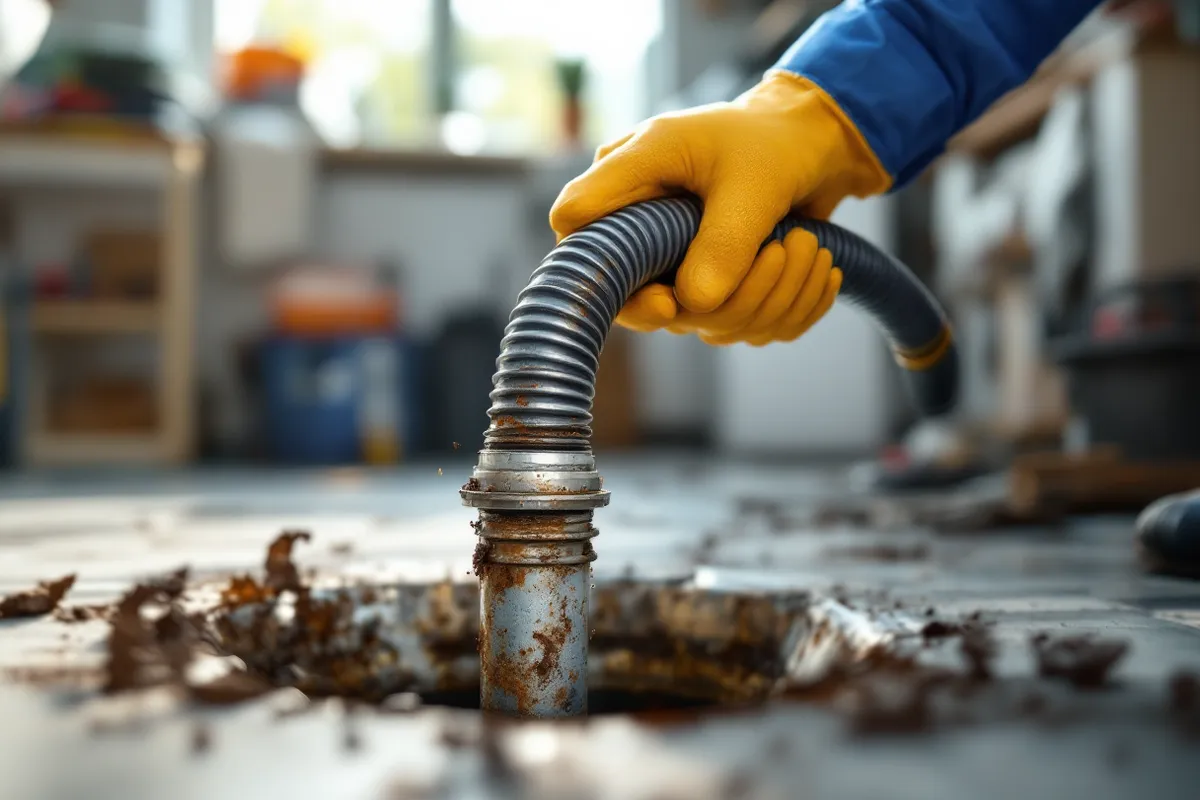
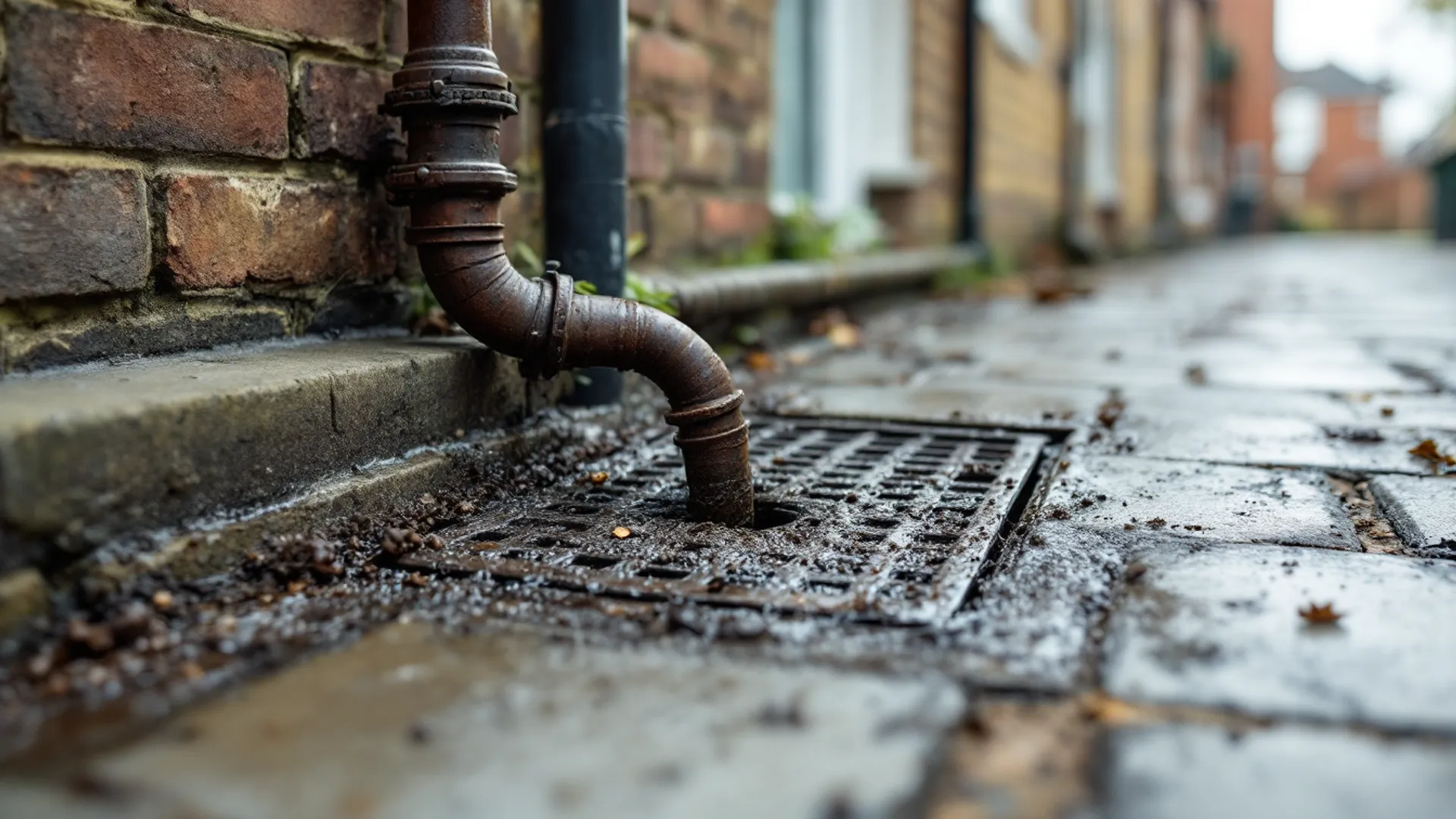
Commercial buildings put more load on their drains because more people use them. More people use the toilets, kitchens and sinks each day. As a result, grease, paper and waste build up faster than at home.
Larger buildings also have longer pipe runs and more joints. Yet owners often forget the drains until something goes wrong. A planned check costs less than a shutdown.
Legal obligations
Section 111 of the Water Industry Act 1991 makes it an offence to put things into a public sewer that may block it or harm it. Fat, oil and grease are common examples. Water companies can also recharge businesses for the cost of clearing blockages that they cause.
Food businesses should check what their water company and local council expect. They may ask for a grease trap or other controls. Rules differ by area, so ask them directly.
Grease management: the core issue for catering
Kitchens produce a lot of fat, and it cools quickly in the pipe. It cools in the pipe and sticks to the walls, so the pipe narrows. Over time it can block fully.
A grease trap catches fat before it reaches the drain. However, it only works if someone empties it on a regular schedule. Staff should also scrape plates and pans into the bin, not the sink.
A commercial planned maintenance programme: what it should include
A good plan covers regular drain cleaning, grease trap emptying and camera checks, because each one catches a different fault. It also lists who does each task and how often. The schedule should match how heavily the site is used.
Records matter too. Keep reports, dates and photos. They show that you look after the drains, and they help if you ever dispute a cost or a claim.
Cost comparison: reactive vs planned
Reactive work happens when something has already failed, whereas planned work spreads the effort. You may pay for urgent attention, lost trade and clean-up. Planned work spreads the cost and avoids surprises.
We cannot give a fixed figure, because every site differs. Instead, ask for a quote on both options and compare them. Include the cost of closing for a day in your sums.
Setting up a maintenance contract
Decide what you need first, since needs vary by site. List your drains, your grease trap and the times of peak use. Then ask a few firms for a written quote that covers the same work.
Check the terms before you sign. Look at how visits are booked, what is included and how to end the contract. You can use our free quote request to start the process, and we will pass your details to a local engineer.
Related guides and local help
If you want to know more, read DIY Drain Maintenance: What to Do and What to Leave to Pros. You can also read Annual Plumbing and Drainage Maintenance Checklist and Building Regulations for Drainage: What You Need to Know, because they cover closely related problems.
These guides help too: What Is a Powerflush and Does Your Boiler Need One Now?, Drain Maintenance Contracts: What They Cover, Who Needs One, Underfloor Heating Problems: A Diagnosis and Repair Guide, Seasonal Drainage and Plumbing Guide: What to Do Each Season and 7 Signs You Need a Powerflush, Not Just a Boiler Service. Each one explains a related topic in plain English.
Need help near you? Read our drain jetting page first, or see Drain Jetting in Barnet and Drain Jetting in Barnetby. You can also see Blocked Drains in Chichester, since every service page has a free quote form. We pass each request to a local drainage engineer.