When do Building Regulations apply to drainage?
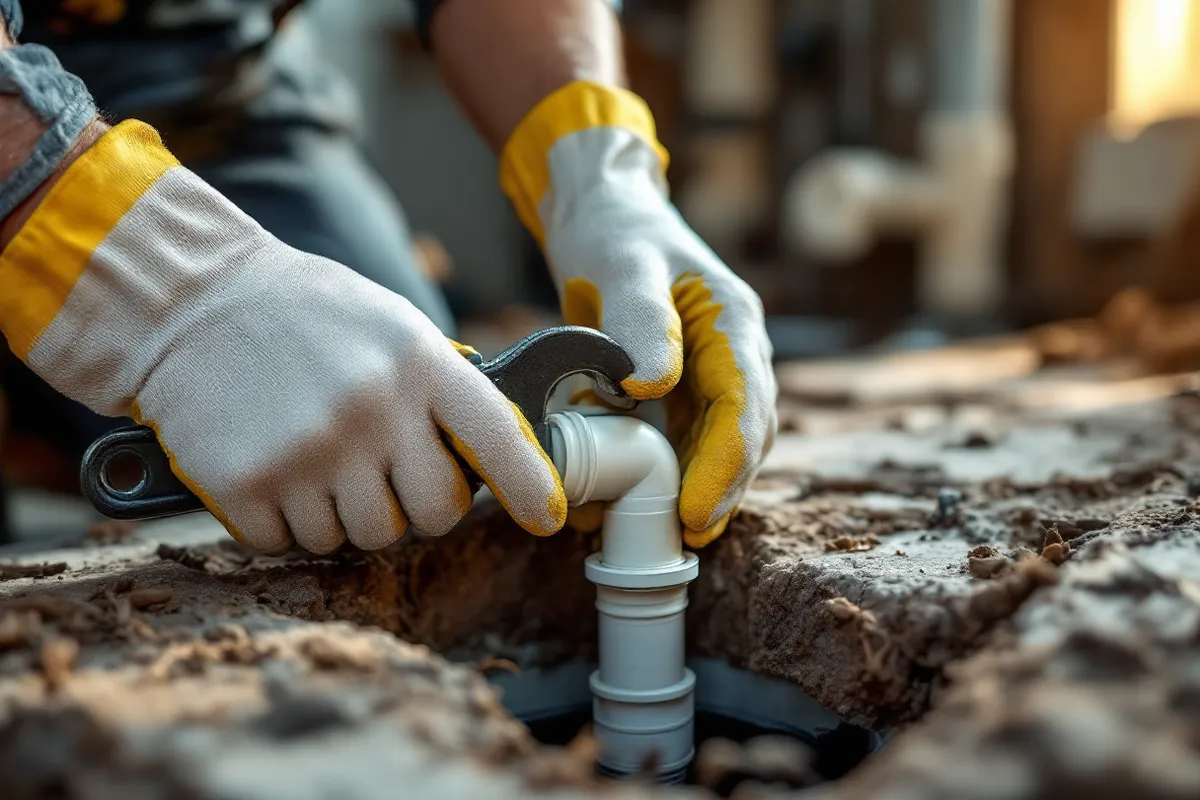
Drainage work often falls under the Building Regulations. This includes new drains for a new building or an extension. It can also include changes to the way water leaves a property.
Simple repairs and like-for-like replacements may be treated differently. However, the rules vary, so ask your local building control team before you start. They can tell you what applies to your job.
Part H: the key requirements
Part H of the Building Regulations covers drainage and waste disposal. Its guidance is in Approved Document H. It deals with foul water, rainwater and sanitary pipework.
The guidance sets an order for getting rid of rainwater. Soakaways come first where they work, then watercourses, then sewers. Therefore, designers must think about where the water can go before they plan the pipes.
Building over or near existing drains
Building over or close to a public sewer usually needs the water company’s agreement. This is because the sewer must stay reachable for repair. Check with your water company early, before you design the work.
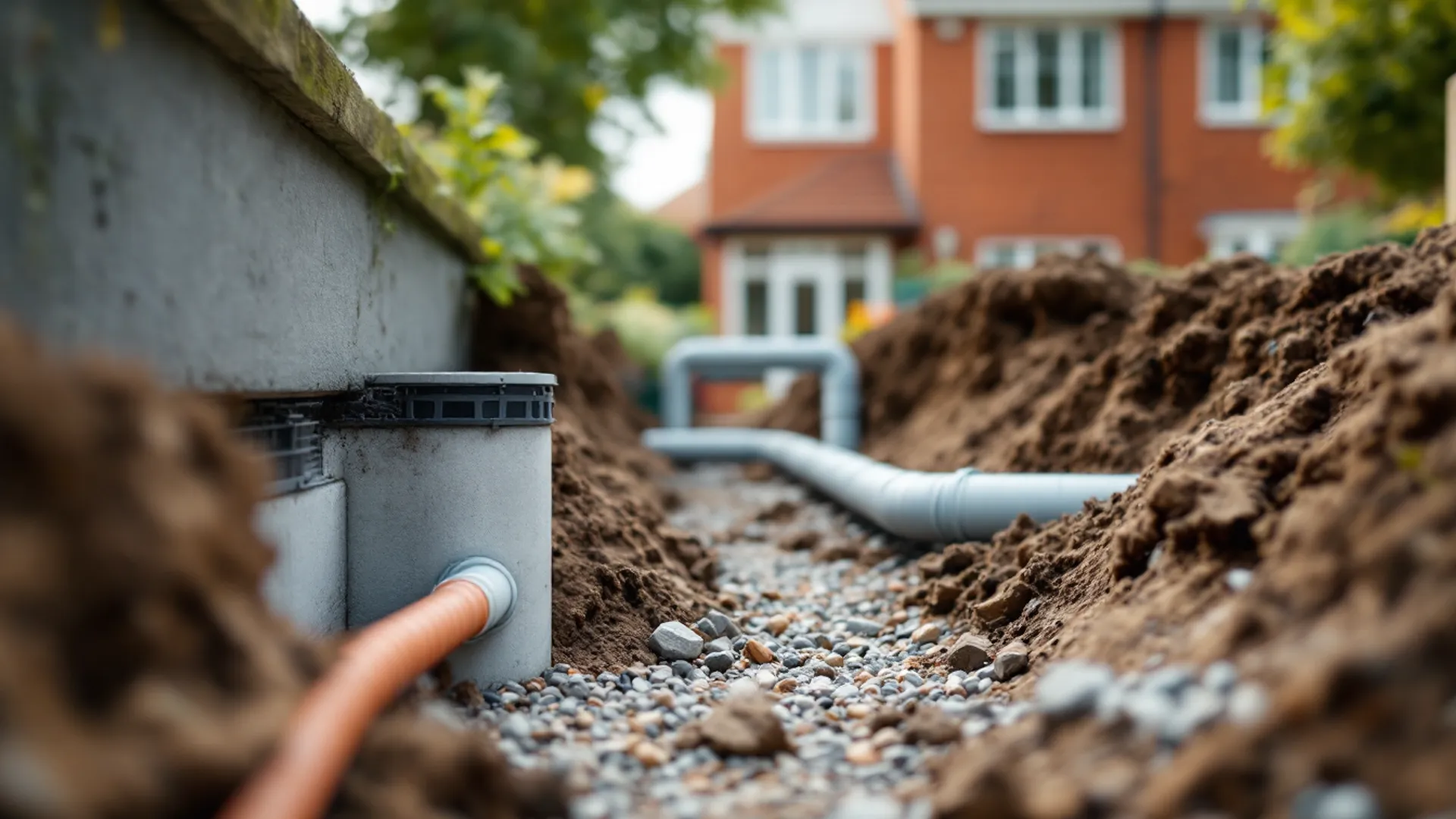
Private drains matter too. Builders should find out where all drains run, since a wall or slab can damage a pipe. A survey before the work starts shows what lies below ground.
CCTV drain survey before building
A camera survey shows the condition of the pipes. It can reveal cracks, roots and old pipe types. As a result, you can plan repairs before you build over them.
Our page on a CCTV drain survey explains how a survey works. Keep the report, because building control may ask what you found.
Sustainable Urban Drainage (SUDS) and planning conditions
SuDS are features that slow down and clean rainwater. Examples include permeable paving, ponds and soakaways. Planning conditions may ask for them on new developments.
In England, Schedule 3 of the Flood and Water Management Act 2010 has not been brought into force as far as published sources show. Meanwhile, planning policy is the main route. Wales has its own rules, so check the local position.
Ask your local council what applies to your plans, because local rules differ. A quick call can save time and money.
Related guides and local help
If you want to know more, read Drain Maintenance Contracts: What They Cover, Who Needs One. You can also read DIY Drain Maintenance: What to Do and What to Leave to Pros and Seasonal Drainage and Plumbing Guide: What to Do Each Season, because they cover closely related problems.
These guides help too: Commercial Drain Maintenance: A Practical Guide for Owners, Flood Risk and Drainage: What Property Owners Should Know, Annual Plumbing and Drainage Maintenance Checklist, Garden Drainage Solutions: How to Fix a Waterlogged Garden and What Is a Powerflush and Does Your Boiler Need One Now?. Each one explains a related topic in plain English.
Need help near you? Read our drain jetting page first, or see Drain Jetting in Barrow-in-Furness and Drain Jetting in Barton-upon-Humber. You can also see Blocked Drains in Chorleywood, since every service page has a free quote form. We pass each request to a local drainage engineer.