A bath that takes 20 minutes to drain is the most common bathroom plumbing complaint. And the most reliably fixable with the right approach. Here’s the complete guide.
Why bath drains block
However, the combination of long hair, short hair, and soap scum creates an extremely effective drain-blocking composite. Hair catches on any rough surface in the trap. Soap scum (from bar soap reacting with hard water minerals) coats the hair, binding it together and cementing it to the waste pipe walls. Over months, this builds to a dense plug.
Additionally, the plug typically forms in one of two locations:
- The bath waste trap (the U-bend immediately under the overflow outlet)
- The horizontal waste pipe run between the trap and the soil stack or external outlet
Accessing the bath waste
Specifically, bath waste outlets typically have a cover — either a pop-up waste (operated by a lever or button) or a grid/cross cover.
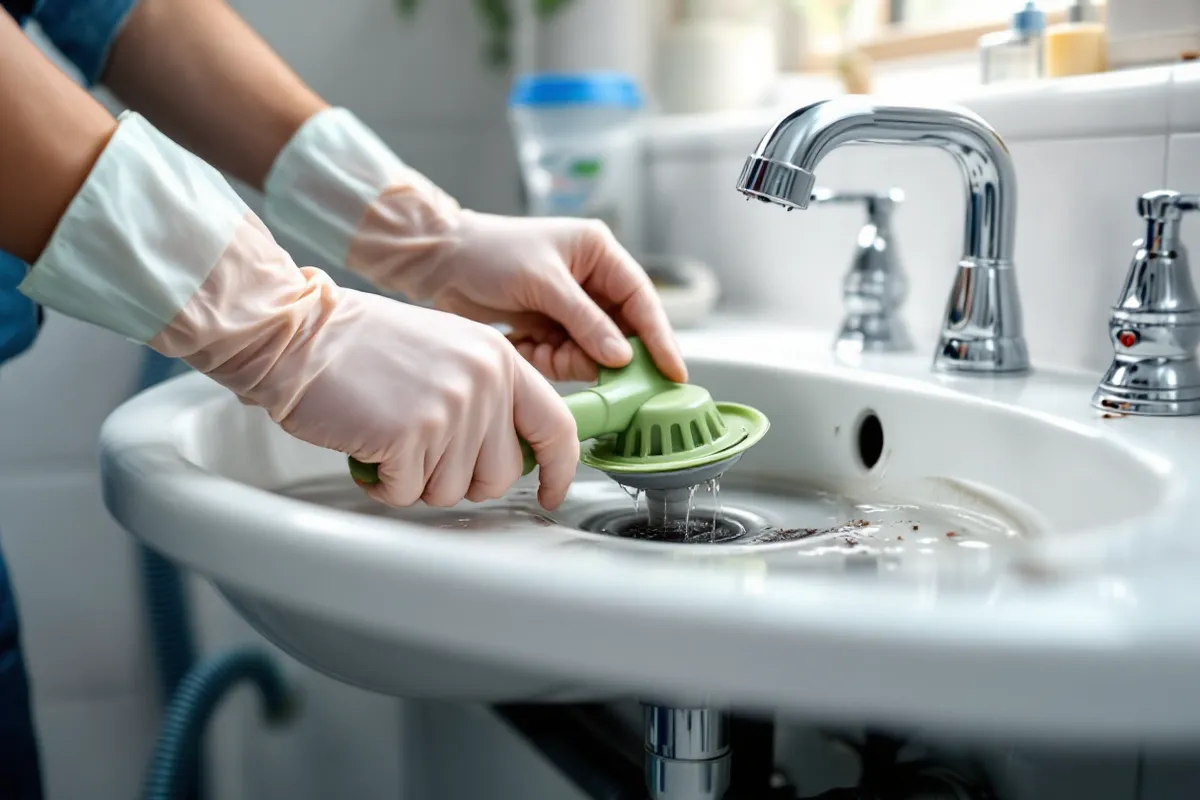
Pop-up waste: For example, unscrew the cap by hand or with a coin in the slot. Pull the whole plug assembly up — it usually has a threaded rod attached. The blockage is often around the mechanism itself. Clean thoroughly.
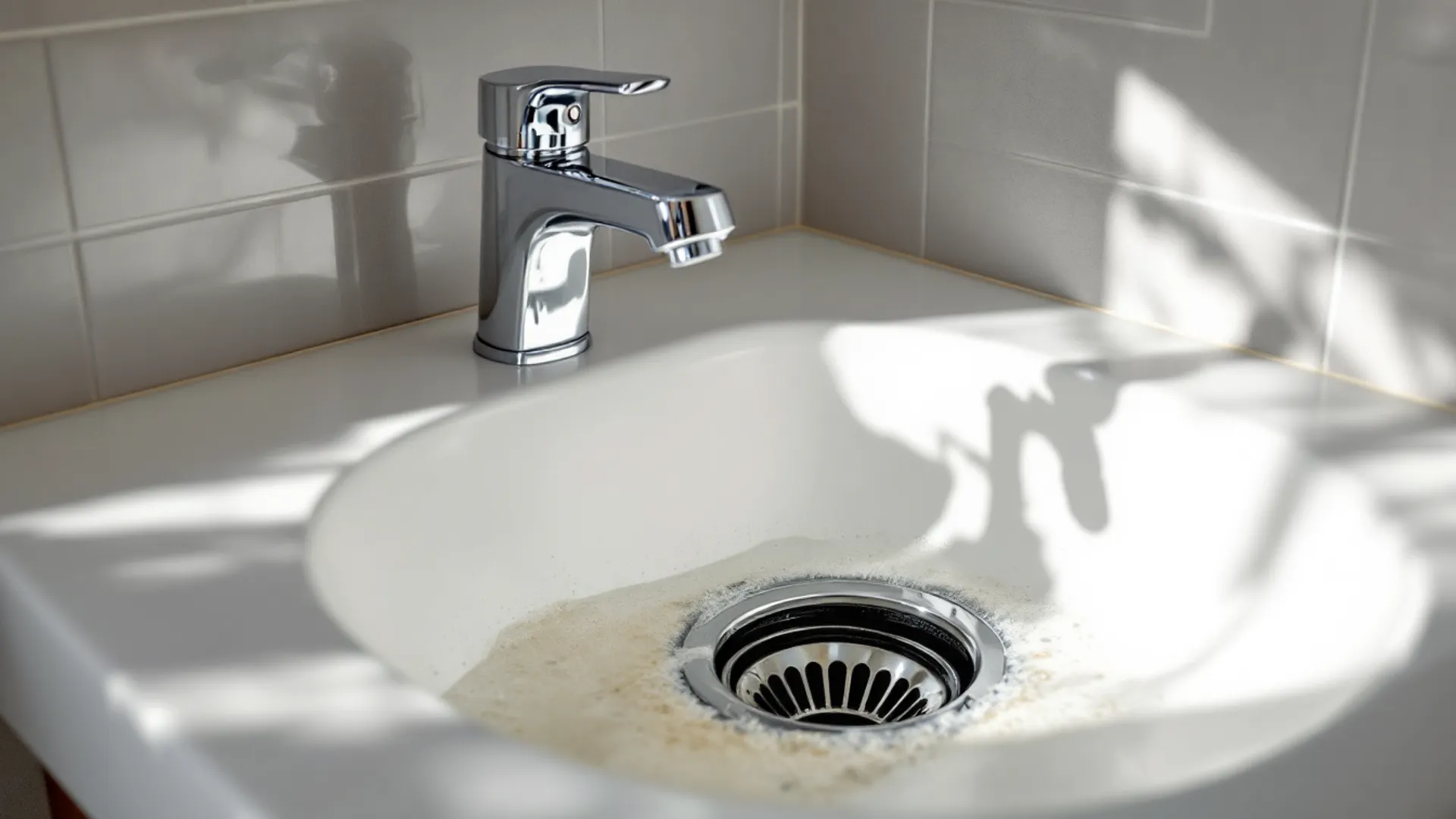
Grid or cross waste cover: As a result, lift or unscrew the cover and look directly into the drain below.
The main clearance method: hair removal tool
Meanwhile, a flexible plastic drain snake with barbed hooks (inexpensive from hardware stores or online) is far more effective than any chemical product for bath blockages. Insert it into the waste opening, push down 10–15cm, rotate clockwise, and pull. The barbs catch hair and pull it up. Repeat until nothing more comes out. This typically retrieves a surprising volume of hair.
Furthermore, if you don’t have a tool, a length of sturdy wire bent at one end into a small hook can work for shallow blockages in the trap.
Plunging the bath
In particular, with a cup plunger:
- Cover the overflow hole with a wet cloth or your hand — this is essential for creating effective suction in a bath, as the overflow bypasses the blockage
- Ensure there’s enough water in the bath for the plunger cup to submerge
- Create a seal, push down, pull up sharply
- Repeat 10–15 times
After plunging, run the tap to test flow. If significantly improved but still slightly slow, the blockage has partially cleared — repeat or follow with hot water.
Clearing the trap under the bath panel
Consequently, if the hair removal tool and plunger don’t restore full flow, access the trap by removing the bath panel.
Similarly, most bath panels clip or screw in place. Remove it, and the trap is visible — typically a white plastic U-bend with a removable access plug at the base (or push-fit joints). Place a bowl under the trap, open the access plug or disconnect the trap, and clear the blockage manually.
Moreover, reassemble and test before replacing the panel.
When the blockage is further in
However, if clearing the trap restores no improvement, the blockage is in the waste pipe run beyond the trap. This is less common in baths than kitchens (hair doesn’t travel as well as grease) but does happen.
Additionally, signs: you can hear water running when the bath is emptying, but it’s draining very slowly even with the trap clear. The blockage is in the horizontal pipe run.
Try: Pour a full kettle of hot water (if UPVC pipes, not boiling) into the bath to increase hydraulic pressure. Follow immediately with a plunger while the water level is high.
If this doesn’t work: Specifically, a drain snake fed into the waste pipe beyond the trap can reach blockages 1–2m away. Or call a drainage engineer — a professional with a jetting rig can clear any waste pipe blockage in minutes.
Persistent recurrence
For example, if the bath blocks again within 2–3 months of clearance:
- Check whether all household members are clearing hair from the waste cover after bathing (the most effective prevention)
- Consider a hair catcher insert for the drain
- Have the waste pipe jetted professionally to clear residual soap deposits that provide attachment points for future hair accumulation
As a result, a bath that requires professional clearance every few months probably has a partial obstruction in the underground waste section that’s catching hair from above. CCTV of the waste run identifies this.
Prevention
After each bath: Meanwhile, wipe any visible hair from the waste cover and put it in the bin.
Hair catcher: Furthermore, a flat stainless steel mesh that sits over the drain opening catches hair before it enters. Empty it after every use.
Monthly: In particular, use a hair removal tool even if the drain seems fine. Early removal prevents compaction.
Quarterly: Consequently, clean the trap. Even if flow is good, removing the partially-accumulated debris in the trap prevents the gradual build-up that eventually blocks.