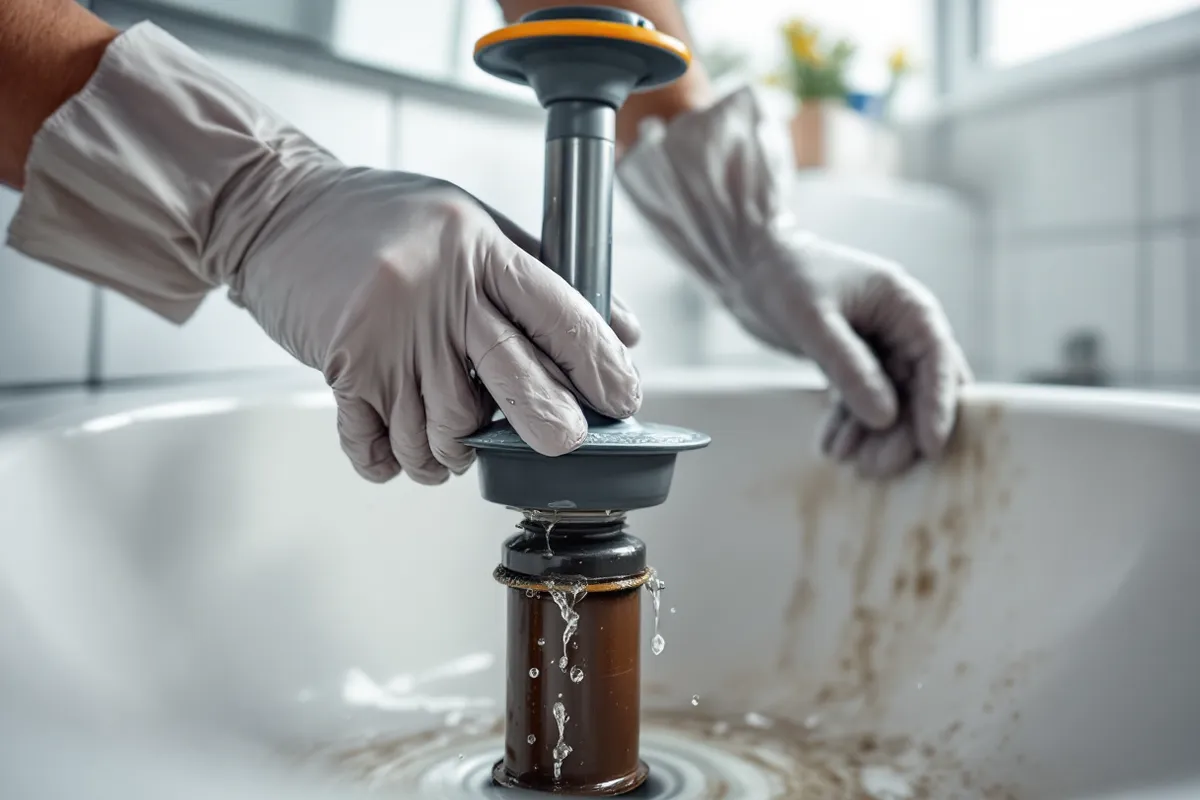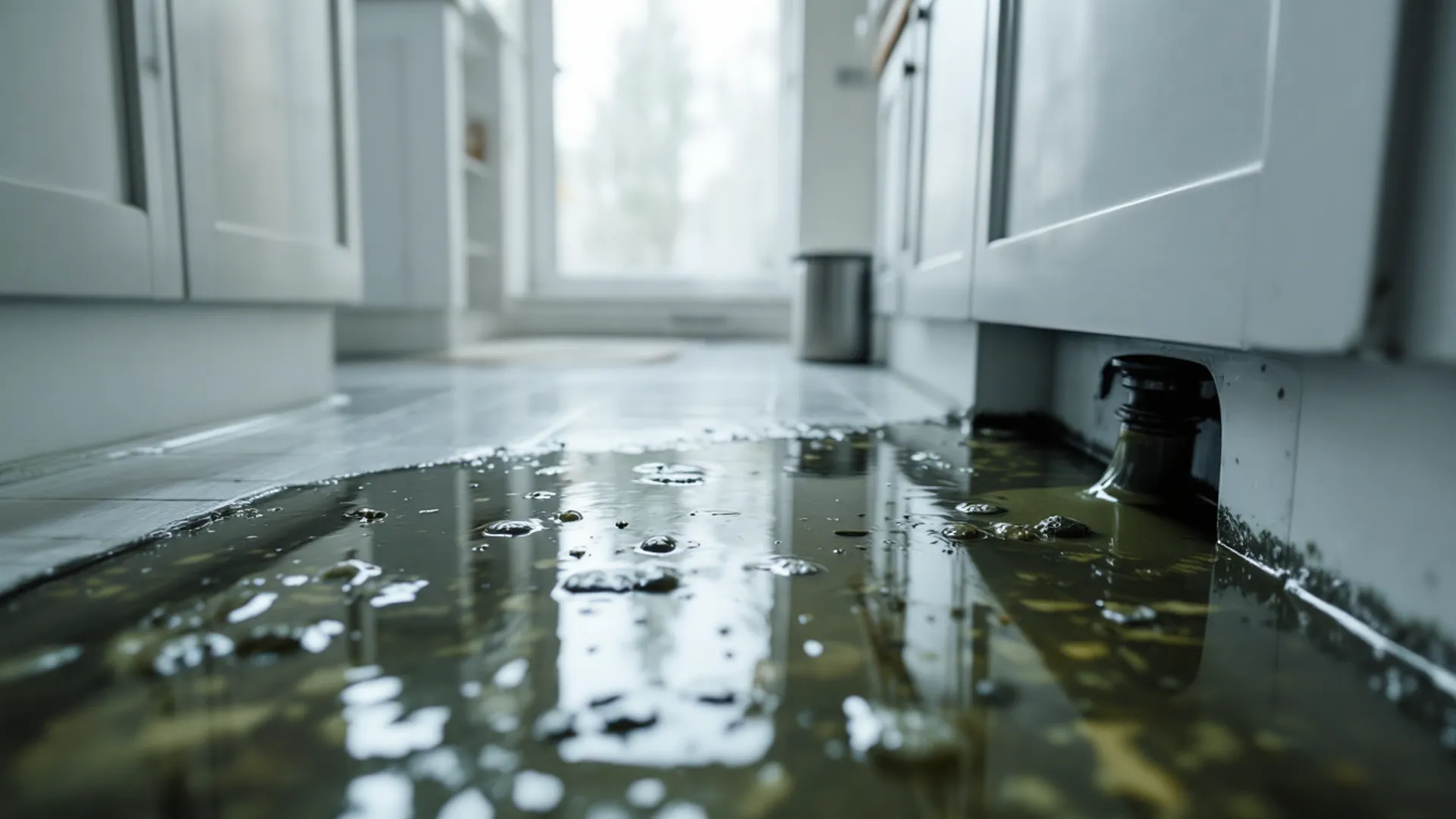
A sewage backup or drain flooding is a health emergency as well as a property problem. Raw sewage contains E. coli, hepatitis viruses, and other serious pathogens. The first priority is stopping the spread; the second is getting a drainage engineer there quickly. Here’s the immediate action sequence. Acting quickly on both fronts significantly reduces the risk to your health and the extent of any property damage.
Right now: stop using water
However, every litre that goes down a drain in your property when the drainage system is blocked adds to the backup. Stop immediately:
- Don’t flush toilets
- Don’t run taps
- Don’t use the dishwasher or washing machine
- Don’t shower or bathe
Additionally, if the blockage is in the main underground drain (the most common scenario when multiple outlets are affected), all water usage adds to the problem until the blockage is cleared.
Identify the extent
Is it one fixture or multiple?
-
One toilet or sink blocked: The blockage is likely in the individual waste pipe for that fixture. Use the other facilities while you arrange a plumber. Not an immediate health emergency (assuming the blocked fixture isn’t overflowing).
-
Multiple fixtures backed up, toilets unusable: The blockage is in the main underground drain serving the property. This is the more serious scenario — no water can be drained until cleared.
-
Inspection chamber cover rising or sewage at ground level: The drain is surcharging (completely full). Don’t go near any ground-level sewage without PPE. Keep children and pets away.
What sewage backup looks like and the health risks
For example, raw sewage (what comes out of a completely blocked drain) is a Category 3 biohazard (the same as human waste contamination). It contains:
- E. coli and other bacteria
- Hepatitis A and E viruses
- Norovirus
- Campylobacter
- In some cases, Weil’s disease (Leptospirosis — from rat-contaminated sewers)
Do not attempt to clear a sewage backup with your hands, and do not let children or pets into the affected area. If sewage has entered the property (not just outside), restrict access to the contaminated area. Additionally, remove any footwear worn in the affected area before entering the rest of the house to avoid tracking contamination through your home.
Before the engineer arrives: containment
As a result, you can’t fix the blockage yourself (not if the main drain is backing up). What you can do is limit the damage:
Outside: Meanwhile, if a manhole cover is rising or lifting, weigh it down if you can do so without contact with sewage — an open manhole releases gas and creates a hazard. Note: if the cover has already lifted, the chamber may be at risk of overflowing.
Inside: Furthermore, if sewage has entered the property via a drain gully or floor drain, close the toilet lids. Stuff damp towels around any floor drain that’s at risk of backing up. Don’t put towels down the drain.
Document everything: In particular, take photographs of the damage before any clean-up. You will need this for your insurance claim.
Calling an emergency drainage engineer
Consequently, when you call, tell them:
- Whether it’s inside the property (sewage inside) or outside
- Whether multiple outlets are affected or just one
- How long it’s been blocked
- Whether there’s been any recent tree work or garden excavation near the drain
- The age of the property (useful context for likely drain material)
- Your exact address and any access constraints
Similarly, a legitimate emergency drainage company should be able to give you:
- An estimated arrival time
- A call-out price before they travel (this might be a fixed call-out fee that covers attendance and assessment; the clearance price should be quoted on site)
What the engineer will do
Access: Moreover, the engineer needs access to an inspection chamber to introduce the jetting nozzle. Most residential drainage has at least one chamber — often under or near a manhole cover in the garden. If there’s no accessible chamber, the engineer may access via a downpipe connection or a toilet connection.
Clearance: However, high-pressure jetting clears virtually all organic blockages within minutes. The engineer will confirm the blockage is fully cleared with a downstream flush check and ideally a camera pass.
Investigation: Additionally, if the drain has backed up without obvious cause (no known build-up, no visible foreign objects), the engineer should camera the drain after clearing to establish what caused the blockage. Root ingress, a collapsed section, or a displaced joint can cause a sudden blockage. Any of these will return unless you address the structural cause.
After the drain is cleared: clean-up
Specifically, if sewage has entered the property:
Do not clean up without protection: For example, disposable gloves, eye protection, and if in an enclosed space, a mask. Dedicated wellies or disposable overshoes if you’re walking in the affected area.
Disinfect thoroughly: As a result, clean hard surfaces with a disinfectant solution, rinse them, then disinfect again. Sewage on soft materials — carpets and upholstered furniture — cannot be adequately cleaned at home. You’ll need specialist remediation or disposal.
Bag and seal all waste: Meanwhile, seal any material that touched sewage — towels, cleaning cloths, soft furnishings — in heavy-duty plastic bags for disposal as contaminated waste.
Professional remediation: Furthermore, for significant internal sewage flooding, professional biohazard remediation is the appropriate response. Your insurer’s emergency line may arrange this — check before you start cleaning.
Wash thoroughly: In particular, after any work in a sewage-affected area, wash hands with soap and water for at least 20 seconds. Shower before eating or drinking. Seek medical advice if you develop any gastrointestinal symptoms in the days following.
Is it the water company’s problem?
Consequently, if the drain that backed up is a public sewer (check your water company’s map), report it to the water company. They must respond and clear public sewer blockages at no cost to you.
However, in a sewage-backed-up emergency with sewage actively entering the property, you need someone there now — not after the water company’s response time. Get the drain cleared first; if the blockage turns out to be in the public sewer, you can seek reimbursement from the water company. Keep all invoices and photographs as evidence to support any reimbursement claim.