Plumbing and drainage problems cluster by season — some are summer problems, some are winter problems, and a few are perennial. Understanding what to prepare for each quarter of the year helps you stay ahead of problems rather than reacting to them.
Spring (March–May)
Thaw and freeze aftermath: Late frosts in March and April can still cause frozen pipe problems. Check for any leaks that may have developed from frost damage during winter — particularly in loft pipes, garage water supplies, and external tap pipework. Run all outlets and check for any unexplained damp patches.
Post-winter drain clearance: However, winter debris (leaves, winter tree debris, grit from paths) accumulates in gully pots over winter. Clear all outdoor gullies in March-April before spring rainfall puts them to work.
Boiler inspection timing: Additionally, spring is a good time to book a boiler inspection for any odd behaviour noticed during winter — particularly if the boiler was reset multiple times, lost pressure repeatedly, or showed any efficiency changes. Engineers are less busy than in autumn.
Check the condensate pipe: The condensate pipe is vulnerable to freezing in winter. If it was repeatedly freezing and thawing, check it’s still correctly fitted and undamaged.
Soakaway check: Specifically, after the wet winter season, check whether soakaways and drainage fields are showing signs of saturation or failure (wet patches, surface water over the soakaway in dry periods). Spring is the ideal time to assess and repair before summer drying makes the symptoms disappear.
Summer (June–August)
Dry trap syndrome: For example, water evaporates from unused drain traps faster in warm weather. Pour a litre of water down every rarely-used drain (guest bathroom sinks, floor drains) monthly during summer.
FOG acceleration: As a result, bacterial activity increases in warm weather, and the fermentation of grease in kitchen drains produces more odour in summer. More frequent enzyme treatment (weekly rather than monthly) helps.
Garden drainage assessment: Meanwhile, dry summer weather reveals drainage problems — wet patches that persist through a dry spell indicate a leaking underground drain or a soakaway failure. Assess garden drainage in July-August when the problem is most visible.
Hosepipe use and outside tap maintenance: Furthermore, with outside taps in active use, check for any drips at the bib tap or from the isolation valve inside. A dripping outside tap can lose 1,000+ litres/month.
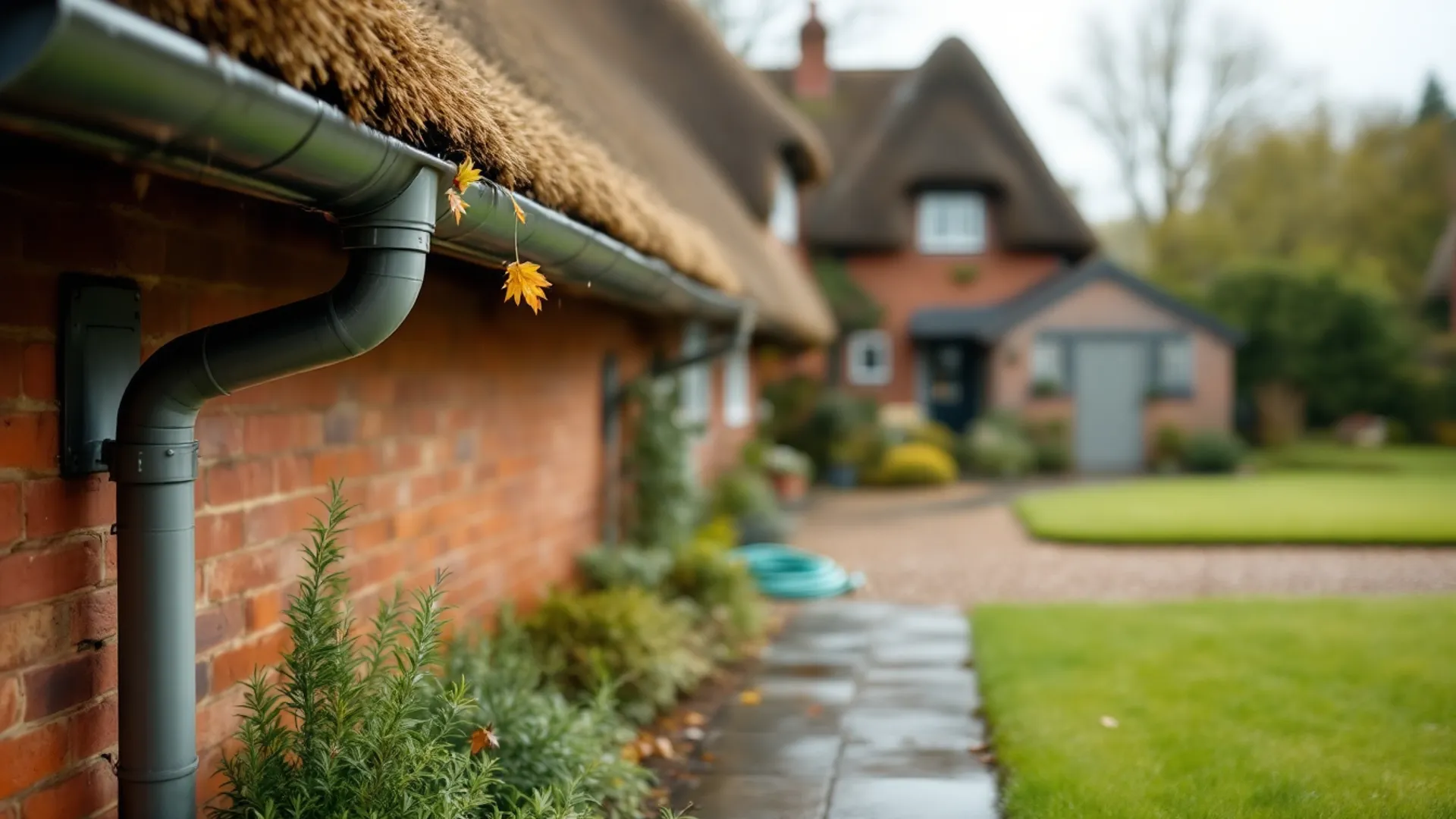
Gutters and downpipes: In particular, after the spring, check for any bird nest blockages in downpipes (common in May-June, when birds nest). A mirror and torch down the downpipe confirms whether it’s clear.
Sewer surcharge risk in storms: Consequently, intense summer thunderstorms can cause combined sewer surcharge. If you experience this, report it to your water company — frequency data helps them prioritise infrastructure upgrades.
Autumn (September–November)
The most important season for plumbing preparation. Similarly, most winter emergencies are avoidable with autumn maintenance.
Boiler service: Moreover, book in September-October for an October service. Engineers are available before the November rush, and any problems identified can be resolved before cold weather arrives.
Gutter and downpipe clearance: However, october-November, after leaf fall, is the critical time. Full gutter clearance prevents overflow, ice loading, and wall saturation through winter.
Pipe insulation: Additionally, check loft pipes, garage pipes, and any pipes in unheated spaces. Add foam lagging if not already in place.
Stopcock test: Specifically, turn off and on to confirm it works freely.
Outside tap isolation: For example, october — close the inside service valve, open the outside tap to drain it, leave it open.
Annual drain jetting: As a result, autumn is the ideal time for annual preventive drain jetting — before winter rainfall increases flow loads, and after summer FOG accumulation.
CCTV survey (every 3–5 years): Meanwhile, if your property is due a condition survey, autumn is a good time — drains are cleaner after post-summer jetting, and any repair work can be completed before winter ground conditions make excavation harder.
Winter (December–February)
Frozen pipe risk: Furthermore, the peak risk period. Key mitigations in place from autumn work (insulation, condensate pipe, low-level frost thermostat when away).
Boiler condensate monitoring: In particular, the most common winter boiler failure. The condensate pipe freezes if ambient temperature drops below -5°C for several hours. Keep the pipe insulated and know how to thaw it (warm water poured along the external section).
No maintenance work on outdoor drainage: Ground conditions make excavation difficult and potentially dangerous. Drain jetting can still be carried out but schedule major works for spring.
Indoor maintenance window: Consequently, winter is the right time for internal plumbing maintenance — checking under-sink connections, replacing dripping taps, servicing isolation valves, bleeding radiators as the system runs continuously.
Monitor for leaks: Similarly, heating systems run continuously in winter, revealing small leaks that might not be apparent at other times. Monitor boiler pressure weekly in December-February and investigate any drop.