Around 60% of UK homes have hard water — predominantly in the south and east of England, East Anglia, the East Midlands, and Yorkshire. If you’ve ever noticed white chalky deposits around taps, spotted a thick grey scale on your kettle element, or struggled to get a decent lather from soap, you’re in a hard water area. The aesthetic inconvenience is the least of it: hard water silently attacks your plumbing system, boiler and appliances year by year.
What is hard water?
However, hard water contains elevated concentrations of dissolved calcium and magnesium salts. This It picks up as it percolates through chalk and limestone geology. “Hardness” is measured in mg/l or ppm (parts per million) of calcium carbonate equivalent:.
| Classification | Hardness (mg/l CaCO₃) |
|---|---|
| Soft | 0–50 |
| Moderately soft | 50–100 |
| Slightly hard | 100–150 |
| Moderately hard | 150–200 |
| Hard | 200–300 |
| Very hard | 300+ |
Additionally, london water is typically 250–320 mg/l — very hard. Much of the south east is in the 200–300 range. Scotland, Wales, the north west, and Cornwall are predominantly soft.
Specifically, you can check your area’s exact hardness on your water company’s website.
What limescale does to your plumbing
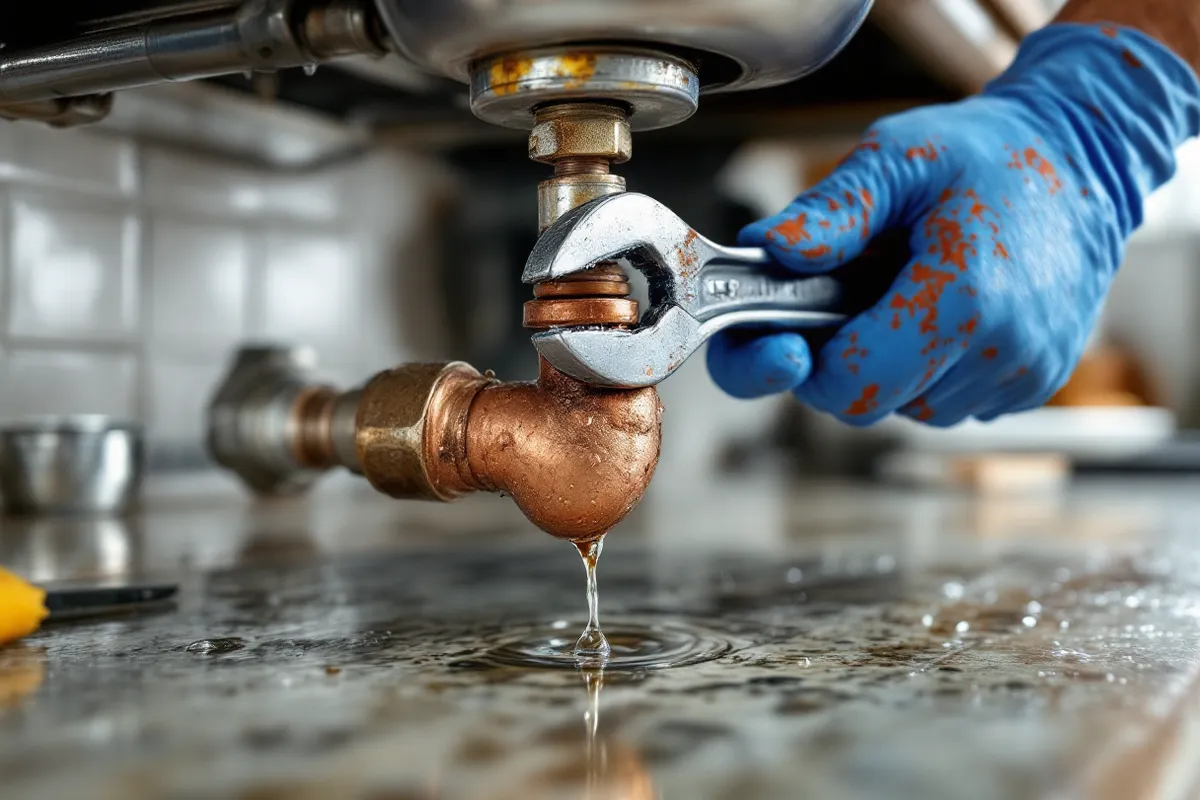
Pipes: For example, limescale deposits form on the interior walls of hot water pipes and pipework connected to hot appliances. Cold water pipes are largely unaffected. Over decades in a very hard water area, scale can dramatically narrow the internal bore of a copper pipe, reducing flow and increasing pump effort.
Boiler heat exchanger: As a result, the heat exchanger is the most vulnerable component in a combi boiler. Limescale deposited on the heat transfer surfaces acts as an insulator, forcing the burner to work harder to achieve the same water temperature. Studies have shown that even a 1mm layer of scale increases gas consumption by approximately 7%; a thicker accumulated layer (not unusual in an unmaintained boiler after 10–15 years in a hard water area) increases it far more.
Meanwhile, the heat exchanger also degrades faster under elevated operating temperature caused by scale. A costly replacement — parts plus labour — that scale prevention could have avoided.
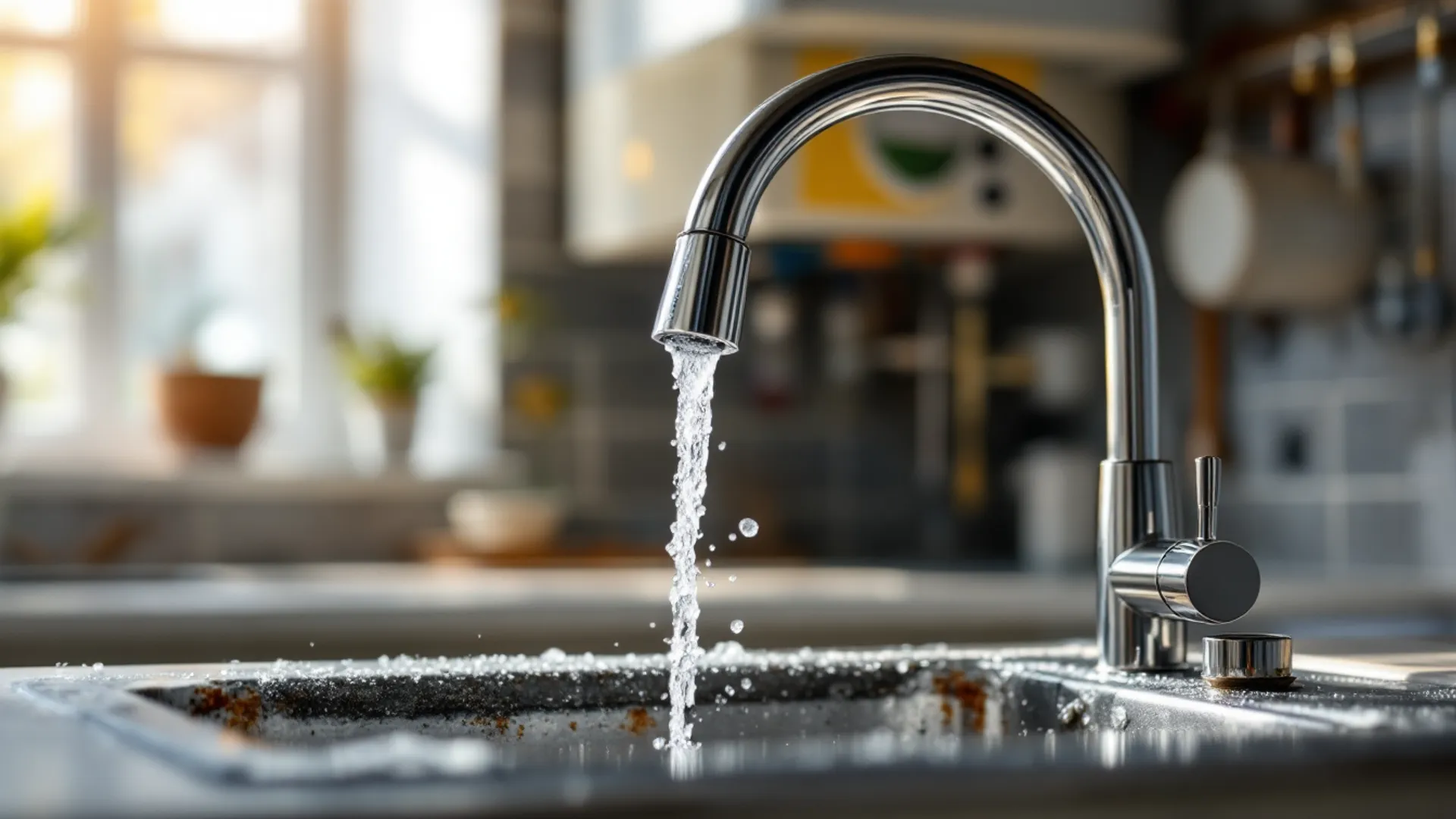
Shower heads and taps: Furthermore, scale deposits inside shower heads and tap aerators reduce flow and can completely block individual jets. Shower screens become covered in limescale deposits. These are primarily aesthetic and functional issues, but they indicate the same process happening invisibly inside pipes and the boiler.
Dishwashers and washing machines: In particular, heating elements and water inlet valves scale up over time, increasing energy consumption and reducing appliance life. Most appliance manufacturers recommend regular descaler treatments in hard water areas.
Hot water cylinder: Consequently, in vented or unvented hot water systems, the cylinder can accumulate scale. In severe cases, the immersion heater element becomes encased and eventually fails.
What hard water costs
Similarly, the WRAP (Waste & Resources Action Programme) has found that households in hard water areas spend noticeably more in energy bills and detergent costs than comparable soft water households. This doesn’t include the reduced lifespan of appliances or the increased maintenance costs for boilers.
Over a 10-year period, the compounded cost of hard water in an unprotected household in a very hard area (London, for example) adds up considerably in additional costs.
Solutions
1. Water softeners
Moreover, an ion exchange water softener replaces the calcium and magnesium ions in the water with sodium ions. The water entering the house is fully softened — no scale anywhere in the system.
Pros: However, effective for the entire plumbing system; protects boiler, pipes, appliances and hot water cylinder; dramatically reduces cleaning time (no limescale on surfaces, better soap lather).
Cons: Additionally, adds sodium to drinking water (a separate drinking water outlet is usually provided, fed with unsoftened water); uses salt (needs regular topping up); has ongoing running costs (salt, regeneration water); and an installation cost on top (supply and fit).
Specifically, a water softener in a very hard water area typically pays back its installation cost in 7–12 years in energy savings alone.
2. Scale inhibitors (electronic/magnetic)
For example, clip-on or in-line scale inhibitors claim to alter the crystalline structure of calcium carbonate, preventing it from adhering to pipe and boiler surfaces. The evidence for magnetic and electronic inhibitors is mixed — some studies show modest effect; others show no measurable benefit.
As a result, scale inhibitors don’t remove hardness from the water — they don’t soften it. They’re a low-cost prophylactic measure that may reduce scale formation but won’t address scale that has already built up.
3. Chemical descaling
Meanwhile, for an existing boiler or system affected by scale, chemical descaling introduced easily as part of a powerflush. Descaling agents dissolve calcium carbonate deposits, removing them from the system. This is most effective for boiler heat exchangers and pipe runs.
Furthermore, a powerflush with descaling chemistry is the appropriate treatment when a boiler is already showing signs of scale (kettling noise, reduced efficiency, slow heat-up times).
4. Regular inhibitor maintenance
In particular, central heating inhibitors (Fernox F1, Sentinel X100 and similar) contain anti-scale and anti-corrosion chemistry. Maintaining the correct inhibitor concentration in the heating circuit significantly slows scale formation and corrosion, protecting the heat exchanger over the boiler’s lifetime.
Consequently, the inhibitor needs testing annually (test kits are available) and topped up when concentration drops below specification.
Signs your system is affected
- Boiler “kettling” — rumbling or banging sound when firing
- Slow heating performance or longer boiler run times for the same heat output
- Scale deposits around taps and shower outlets
- White furring on kettle elements
- Reduced shower flow
- Heating engineer finding scale deposits on the heat exchanger during servicing
Similarly, if you’re in a hard water area and haven’t addressed scale protection, a boiler service including a heat exchanger descale and inhibitor check is a cost-effective starting point.