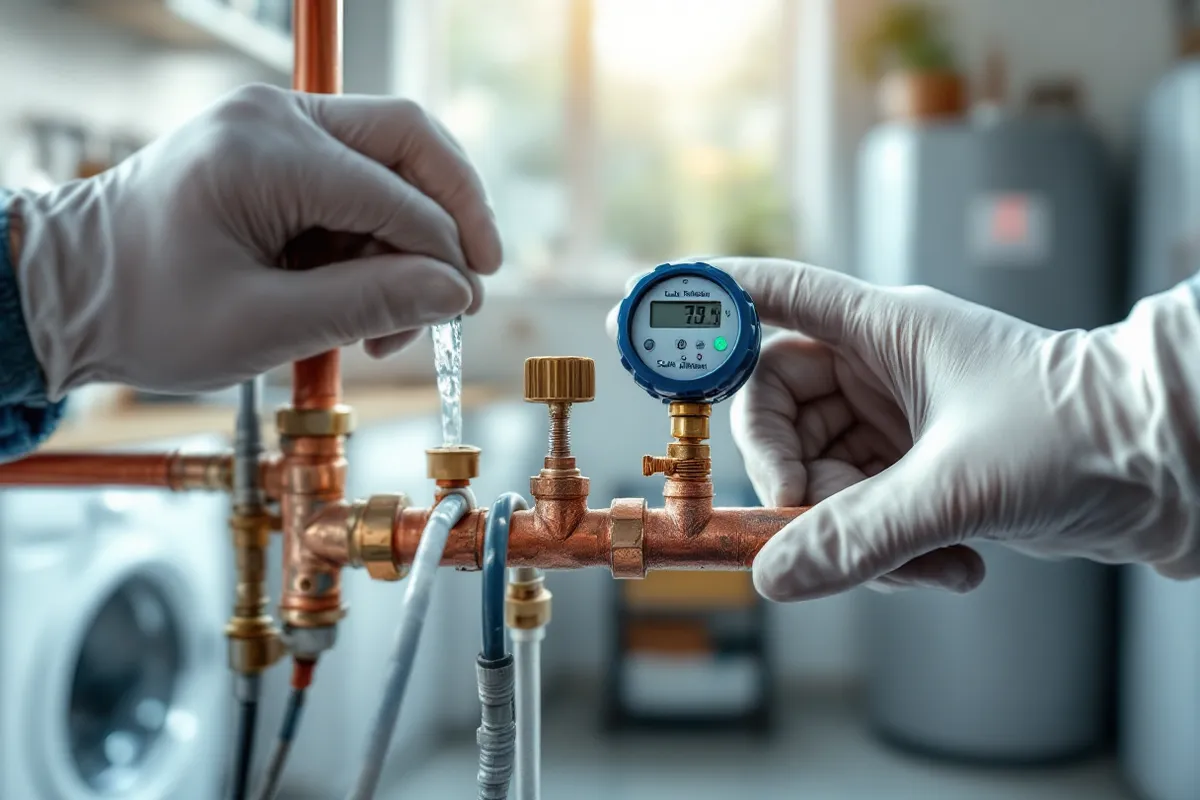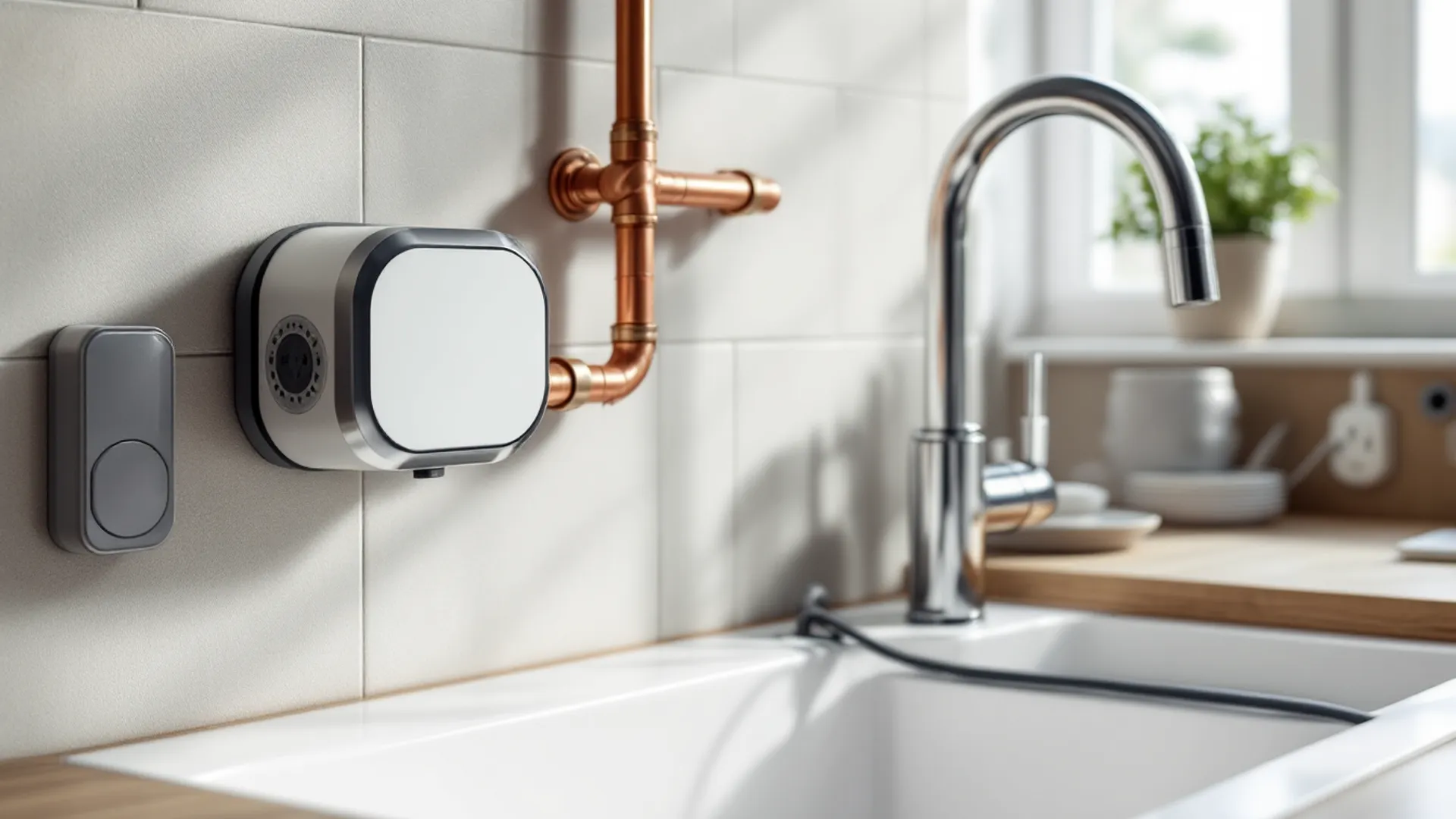
Scale inhibitors are marketed as a lower-cost, maintenance-free alternative to water softeners. They clip onto pipes or are fitted in-line and claim to prevent limescale from adhering to surfaces through magnetic or electrical fields. The reality is more complicated — some types show measurable benefit in specific conditions; others show no detectable effect in independent testing.
Types of scale inhibitor
Magnetic scale inhibitors: However, a clip-on device containing permanent magnets, fitted around the incoming cold water pipe. The magnetic field is claimed to alter the crystalline structure of calcium carbonate as it passes through, preventing it from depositing on surfaces.
Electronic (electrolytic) scale inhibitors: Additionally, an in-line device that passes a small electrical charge through the water. Similar claimed mechanism to magnetic types.
Catalytic/template-assisted crystallisation (TAC): Specifically, a different approach — water passes through a media bed that provides nucleation sites for calcium carbonate. Scale crystals form in suspension (as tiny particles in the water) rather than on pipe surfaces, so they pass through without adhering. TAC systems have more independent research support than magnetic types.
Polyphosphate dosing: For example, a small amount of polyphosphate chemical is dissolved into the water supply. Polyphosphate inhibits scale adhesion and also protects metal pipes from corrosion. Effective but requires a cartridge to be replaced periodically (typically every 6 months).
What the research says
Magnetic and electronic inhibitors: As a result, the scientific consensus from multiple independent studies is sceptical. Independent reviews and academic studies have found inconsistent evidence — some studies show reduction in scale adhesion; others show no effect. The mechanism proposed (changing crystal structure through magnetic fields) has limited theoretical support.
Meanwhile, the critical limitation: any beneficial effect from magnetic inhibitors is lost within a few hours after the water leaves the magnetic field. By the time treated water reaches the boiler heat exchanger or the shower head, any crystal structure changes may have reverted.
TAC (Template-Assisted Crystallisation): Furthermore, has stronger independent research support. Studies have shown TAC-treated water deposits less adherent scale in realistic test conditions, with meaningful reductions in scale deposition recorded in controlled tests.
In particular, TAC systems are noticeably more expensive than clip-on magnetic devices but have a mechanism that makes physical sense and measurable evidence behind it.
Polyphosphate dosing: Consequently, well-established chemistry with a track record. Effective at preventing scale adhesion and pipe corrosion in the dosing zone. The limitation is that polyphosphates degrade over time and cartridges must be replaced; also, phosphate-dosed water is not suitable for drinking without a bypass.
When scale inhibitors are and aren’t appropriate
Where scale inhibitors may help: Similarly, - Protection of hot water tanks and cylinder coils from light scale deposition
- Shower heads and tap aerators (slowing scale formation, reducing cleaning frequency)
- Light maintenance of central heating systems with relatively low existing scale
- Properties in slightly-to-moderately hard water areas where full softening isn’t warranted
Where scale inhibitors are insufficient: Moreover, - Properties with very hard water (300+ mg/l) where scale rates are high
- Properties where a boiler is already showing scale symptoms (kettling, efficiency loss) — the existing scale needs descaling first
- Any situation requiring actual softening of the water (for drinking water quality, sensitive skin, reduced soap consumption)
- Protection of a new boiler heat exchanger in a hard water area — a water softener is more reliable
Honest cost-benefit analysis
However, a magnetic scale inhibitor is one of the cheapest options available. If it works even partially, the benefit is positive — but the evidence suggests most of these devices have little or no measurable effect.
Additionally, a TAC system costs more to install than a magnetic clip. With reasonable evidence of substantial scale reduction, this may be cost-effective for a property that wants protection without the salt cost and maintenance of a full water softener.
Specifically, a polyphosphate dosing system has an upfront cost for the unit plus an ongoing cost for cartridges. Well-proven chemistry; the main drawback is that ongoing consumable cost and the need to remember to change cartridges.
For example, a water softener is the only solution that actually removes hardness from the water, though it has the highest installation and running costs of the options here. For properties in very hard water areas, the annual energy and appliance savings typically exceed the running costs over time.
Summary recommendation: As a result, - Very hard water, whole-house protection: water softener
- Moderate hard water, targeted protection of specific appliances: TAC or polyphosphate
- Light hard water, curiosity purchase: magnetic clip-on if you want to try, but manage expectations