Smart home technology has reached the plumbing and heating world. From AI-powered water monitors that detect leaks automatically to smart TRVs that zone your heating by room, there’s a growing market for products that promise to save water, energy, and the cost of plumbing emergencies. Here’s what actually delivers value for UK homeowners in 2026 and what’s marketing over substance.
Smart thermostats and heating controls
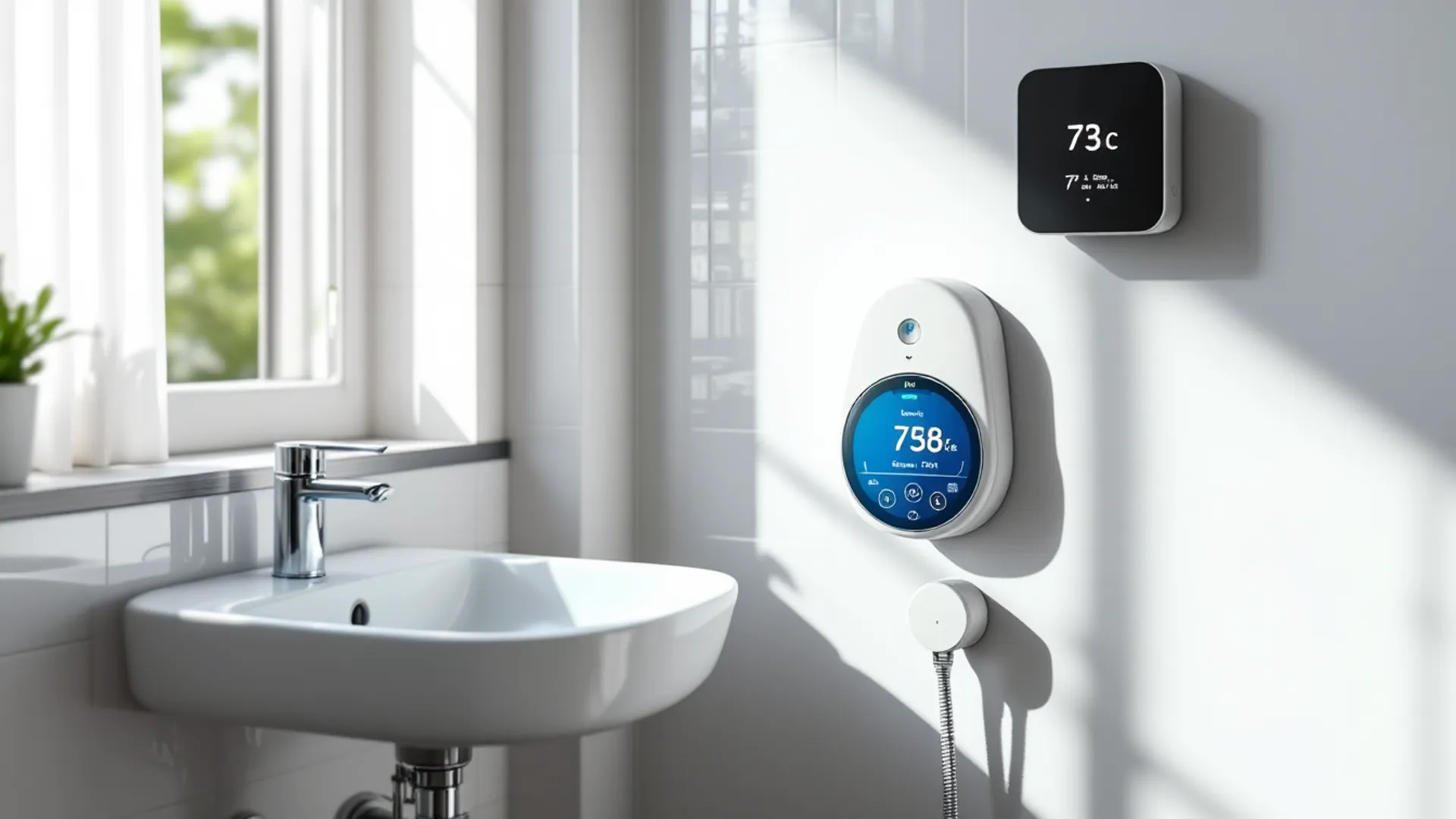
What they are: However, smart thermostats (Nest, Hive, Tado, Honeywell T6R) replace the conventional programmer and room thermostat with an internet-connected unit that can be controlled from a smartphone and learns your schedule.
What they actually deliver: Additionally, - Remote control: turn the heating on from the train home
- Geofencing: heating turns on when your phone approaches home, off when you leave
- Learning schedules: the thermostat learns your routine (limited benefit in households with irregular schedules)
- Energy reports: weekly usage tracking
The honest assessment: Specifically, smart thermostats deliver a real benefit for households that frequently forget to turn heating off when leaving, or want remote control. Energy savings of 10–20% are achievable for disorganised households. For households that already use their heating efficiently, savings are modest.
Cost: For example, a mid-range outlay for the device, plus a modest fee if you’d rather not DIY the installation. Most are DIY-installable.
Smart TRVs (thermostatic radiator valves)
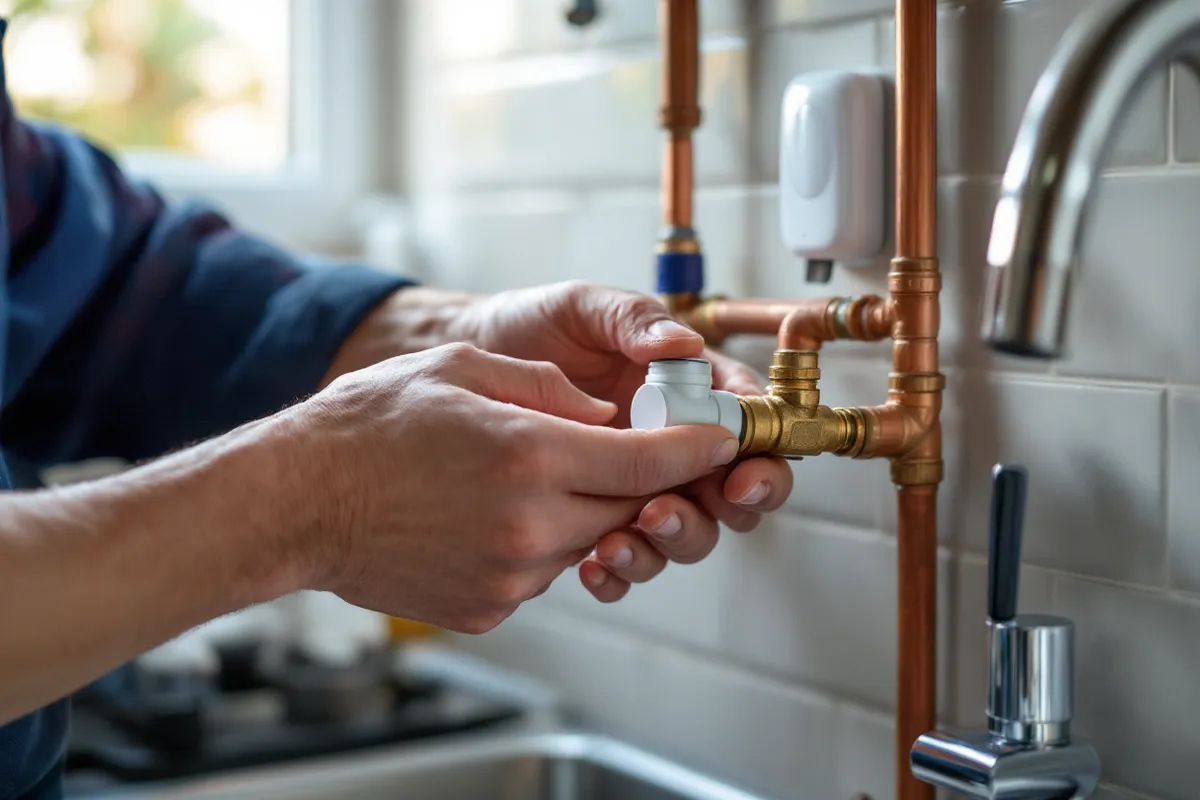
What they are: As a result, electronically controlled TRVs (Tado, Netatmo, Drayton Wiser) that respond to smartphone control and can be scheduled by room.
What they actually deliver: Meanwhile, - Room-by-room temperature control independent of the main thermostat
- Ability to heat only rooms that are occupied
- Scheduling by room (bedroom cooler overnight, warmer in the morning)
The honest assessment: Furthermore, smart TRVs provide genuine benefit in larger houses with rooms that have very different usage patterns. In a 2-bed flat where all rooms are used most of the time, the benefit is marginal. Installation is straightforward (they replace existing TRV heads) but whole-system kits including a hub cost noticeably more for a full house.
Smart water monitors
What they are: In particular, devices installed on the incoming water supply that monitor flow rate and pressure, detecting anomalies that indicate leaks. Examples: Phyn Plus, LeakBot, Grohe Sense Guard.
What they actually deliver: Consequently, - Detection of continuous low-level leaks (dripping taps, leaking toilet cisterns)
- Detection of sudden high-flow events (burst pipe)
- Some devices can automatically shut off the water supply when a leak is detected
- Water usage reporting
The honest assessment: Similarly, this is the smart home plumbing technology with the most genuine value. A burst pipe in an unoccupied home that’s detected and isolated within minutes rather than hours limits damage dramatically. LeakBot (used by some insurance companies as an insured-peril prevention device) has independent data behind it: a Consumer Intelligence study of homes on the LeakBot platform found up to 70% fewer water damage claims where the device was installed.
Cost: Moreover, price varies by device and coverage; installation typically requires a plumber (the device fits on the rising main). Some home insurers offer discounts for homes with approved leak detection devices.
Smart water meters
What they are: However, smart meters (installed by water companies as part of the national smart meter rollout) send automatic meter readings, eliminating estimated bills. More advanced versions show near-real-time usage.
What they actually deliver: Additionally, - Accurate billing (no estimates)
- Leak detection via unusual consumption patterns
- Usage tracking
The honest assessment: Specifically, smart meters are being installed at scale by UK water companies — you may get one installed without requesting it. They provide the water company with leak detection capability (they’ll contact you if consumption suggests a continuous leak). As a consumer, the benefit is accurate billing; proactive leak detection from smart meter data is a developing area.
Simple smart leak detectors
What they are: For example, small battery-powered sensors placed under sinks, behind toilets, or near appliances. They trigger an alarm when they detect water. Examples: Eve Water Guard, Leak Smart, various cheap options.
What they actually deliver: As a result, - Audible alarm when water is detected
- Smart home integration versions send smartphone notifications
- Some can trigger automatic shut-off valves
The honest assessment: Meanwhile, these sensors are inexpensive (basic alarms cost even less), and are among the best-value plumbing investments available. A sensor under the kitchen sink that detects a slow leak from a corroded joint prevents months of silent structural damage. Placing one under each sink, behind each toilet, and next to the washing machine is a small investment that protects the most common leak locations.
What’s not worth it
Smart shower controllers: Furthermore, products that let you pre-set shower temperature from a smartphone before getting in. Useful if your shower takes a long time to warm up; gimmicky for most installations. At the price these typically sell for, hard to justify on practical grounds.
Smart drainage products: In particular, there isn’t a convincing smart product for drain monitoring in residential use as of 2026. Drain blockage detection based on flow rate monitoring is available in commercial systems but hasn’t translated to affordable residential products with proven performance.
Smart water softeners: Consequently, softeners that connect to Wi-Fi for monitoring salt levels and regeneration cycles. Useful for forgetful households; not worth the premium for attentive homeowners.
The practical recommendation for most UK homeowners
Similarly, for most homes, the highest-value smart plumbing investment is:
- Water leak sensors under each sink and appliance connection (inexpensive, and pays for itself the first time it catches a leak)
- A smart thermostat if you currently heat inefficiently
- A whole-home water monitor if you have a complex or older property or if your insurer offers a discount
Moreover, everything else is nice-to-have rather than genuinely useful.