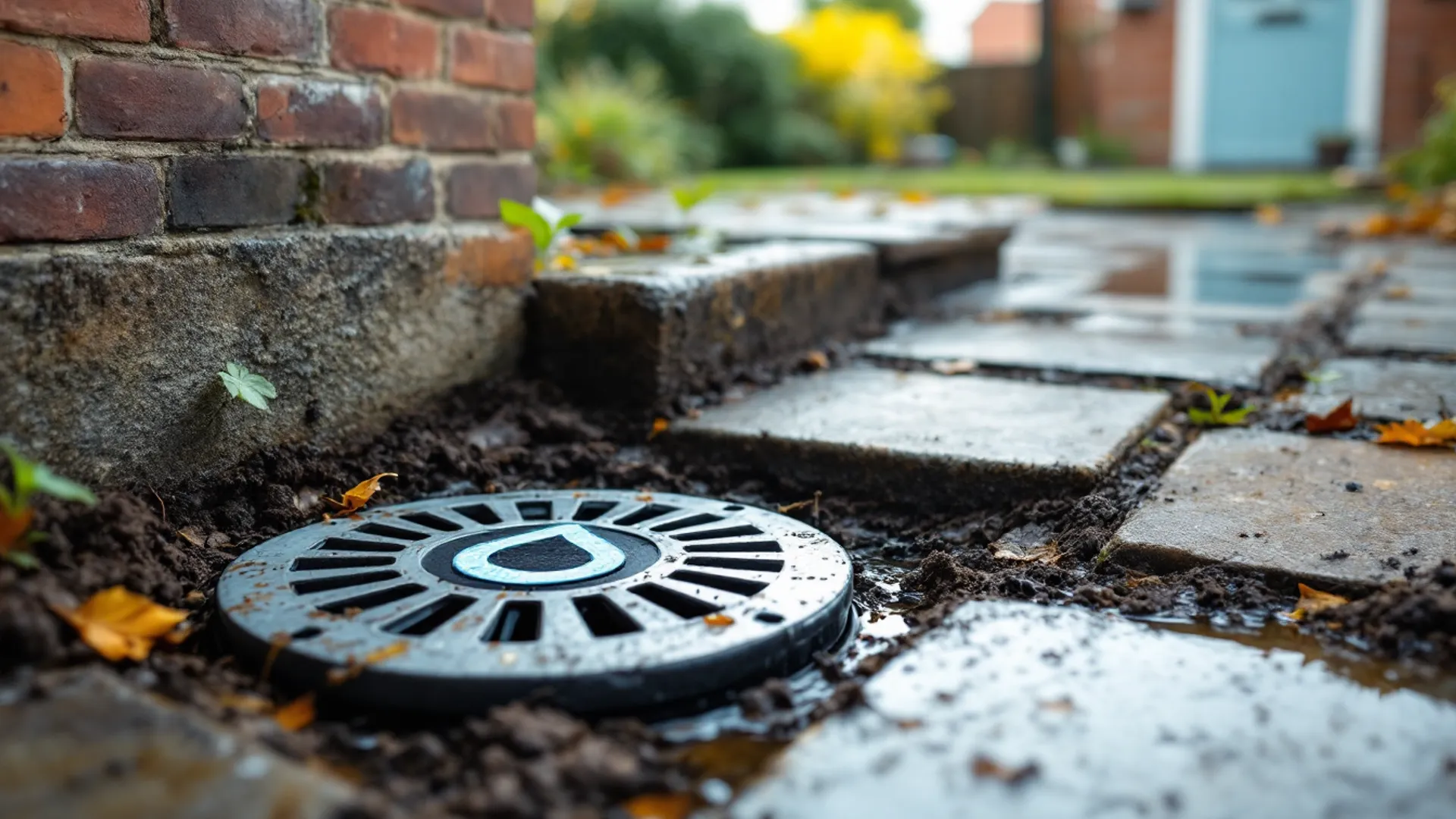
Most UK homeowners are unaware that their property may have two completely separate underground drainage systems. A foul water drain and a surface water drain — that must never be mixed. Connecting the wrong waste source to the wrong drain is illegal, causes pollution. Can result in enforcement action from the water company or local authority. Here’s what you need to know.
The two systems explained
Foul water drainage: However, carries sewage (waste from toilets) and domestic wastewater (sinks, baths, showers, dishwashers, washing machines) to the sewage treatment works. This water contains biological matter and requires treatment before it can be discharged to the environment.
Surface water drainage: Additionally, carries rainwater from roofs, paths, driveways and other surfaces either to a soakaway (where it infiltrates into the ground), to a watercourse (stream, river, or ditch), or to a surface water sewer. Surface water is relatively clean and is discharged directly without treatment in most cases.
Combined drainage: Specifically, many older UK properties (particularly those built before the 1970s) have a combined system where foul water and surface water flow in the same underground pipe to a combined sewer. Combined sewers carry both to the treatment works — but during heavy rain, the combined sewers can overflow at storm relief overflows (SROs), discharging untreated diluted sewage to watercourses. This is a known pollution problem that water companies are progressively addressing.
How to tell which system your property has
The simple test: For example, in heavy rain, lift your inspection chamber cover. If the chamber is flowing freely even though no one is using water inside the house, and the chamber is connected downstream to a surface water run — you probably have a combined system or a surface water connection to that chamber.
The dye test: As a result, drop a water-soluble dye (or coloured drink mix) into an outdoor drain connected only to the roof downpipes. Then look in the inspection chamber. If you can see the colour in the chamber that you believe is your foul drain, those two systems are connected.
Ask your water company: Meanwhile, water companies maintain records of drain connections and whether the sewer is foul, surface water, or combined. Many provide an online map.
Commission a CCTV survey: Furthermore, a drainage contractor can trace all your drain runs and identify where each connects.
Why it matters: misconnections
In particular, a misconnection is when a waste source is connected to the wrong drain type. The two most serious types:
Foul water going to surface water drain: Consequently, sewage enters a surface water drain that discharges directly to a watercourse. This is environmental pollution and a criminal offence. It also typically produces a sewage smell near the outfall. Water companies and the Environment Agency actively investigate misconnections when pollution is reported.
Surface water going to foul drain: Similarly, in heavy rain, the volume of rainwater entering the foul drain can overwhelm the sewer, causing sewage to back up into properties. This “hydraulic overload” is a significant contributor to the increasing frequency of sewer flooding in urban areas.
Common misconnections in older properties
Kitchen extension drainage: Moreover, when a kitchen extension was added (1970s–90s), the extension’s kitchen drain was sometimes connected to the nearest convenient chamber — which may have been a surface water chamber. The kitchen produces foul water; the surface water drain doesn’t treat it.
Washing machine and dishwasher outlets: However, appliance outlets plumbed into outside gullies by previous owners may connect to the wrong drain. An outside gully should be on the foul drain if it receives any domestic wastewater.
Extension downpipes: A rear extension downpipe sometimes gets connected to the foul drain inspection chamber because it’s the nearest access point, without realising it’s the foul drain.
DIY bathroom additions: Additionally, bathrooms added without building regulations inspection sometimes have drains connected to whatever was convenient — which isn’t always the foul drain.
Finding and correcting misconnections
The dye trace test Specifically, (using non-toxic food dye or a fluorescent tracer) systematically checks each drain outlet by outlet. You introduce dye at one outlet and look for it at each inspection chamber. This maps all connections.
Correction: For example, once a misconnection is found, a drainage contractor disconnects from the wrong drain and re-routes to the correct one. Cost varies — a simple reconnection costs less; a complex re-route involving excavation costs more.
Water company misconnection survey schemes: As a result, many water companies run misconnection survey and correction schemes, particularly in areas with known combined sewer overflow (CSO) frequency. These sometimes offer free dye testing or contribution to correction costs.
New drainage connections: getting it right
Meanwhile, under the Building Regulations Part H, all new drainage connections must be made to the appropriate drain type:
- Foul water (toilets, sinks, baths) → foul or combined sewer
- Surface water (roofs, paths, impermeable surfaces) → surface water sewer, watercourse, or soakaway (in priority order)
Furthermore, building control inspects new drainage connections. If you’re having any new drainage installed. For an extension, a new bathroom, or a driveway — the drainage contractor must connect to the appropriate system. A CCTV survey of the existing drainage before any new connection is made confirms which chamber connects to which sewer, preventing a misconnection even by accident.