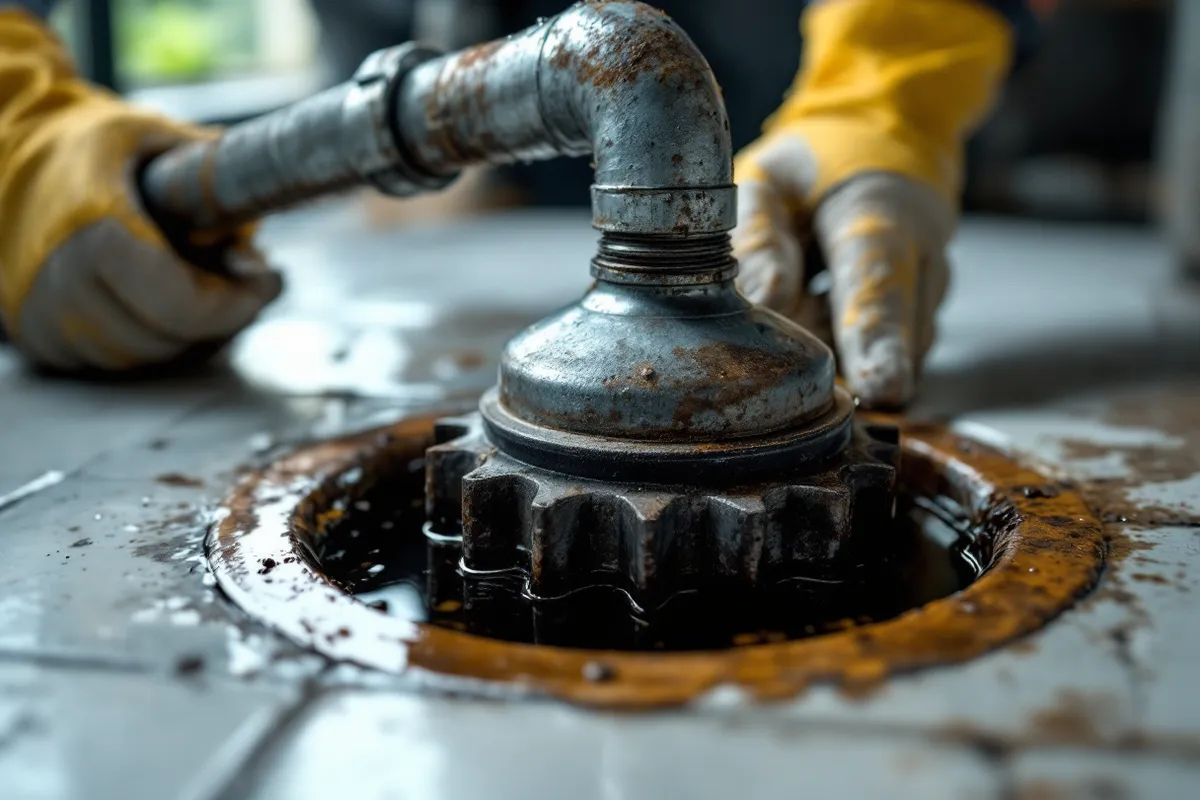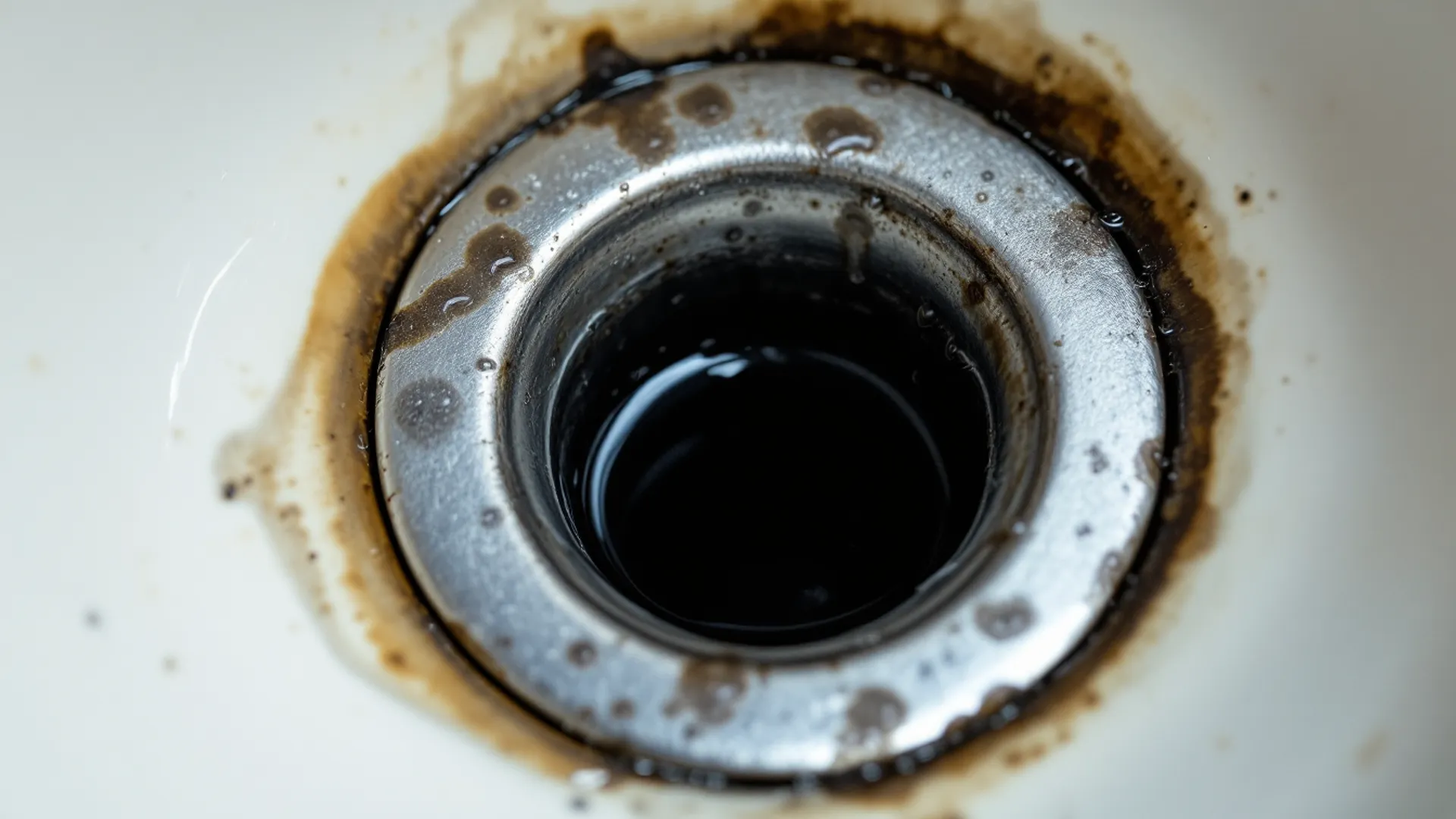
Drain smells that weren’t noticeable in winter suddenly become overwhelming in warm weather. This isn’t coincidence — temperature directly affects how intensely drains smell and how quickly odours reach living spaces. Here’s the science and the solutions.
Why heat makes drains smell worse
Bacterial activity accelerates with temperature. The bacteria responsible for decomposing organic matter in drains and sewers work faster as temperature rises. The same quantity of grease and food residue that produces modest odour at 10°C produces significantly more at 25°C because the bacteria are breaking it down faster, releasing more hydrogen sulphide and methane.
Water traps evaporate faster. However, the water in U-bend traps (the seal that prevents sewer gas from entering the property) evaporates more quickly in hot weather. Drains that are rarely used — guest bathroom sinks, floor drains in outbuildings, infrequently used toilets — lose their water seal in a few weeks during summer, compared to months in winter.
Sewer gas rises with heat. Additionally, gases are less dense than liquids, and warm gases expand further. In hot conditions, hydrogen sulphide (the eggy smell of sewage) diffuses more readily from any unsealed point.
Ground movement opens joint gaps. Specifically, clay soils shrink in dry summers, creating ground movement that can open minor gaps in clay drain joints that were previously sealed. These gaps allow sewer gas to escape into the soil and migrate into the building.
Quick diagnosis: inside or outside?
For example, smell stronger inside specific rooms → water trap issue (dry U-bend, cracked trap, venting problem) Smell in the garden near inspection chambers or drain runs → ground-level gas escape, possibly a cracked pipe or open chamber
As a result, smell after heavy rain in summer → sewer surcharge, combined drain overwhelmed Smell from kitchen drain only → FOG (fat, oil and grease) accumulation in the underground section, fermenting in the heat
Fixes by cause
Dry water traps: Meanwhile, pour 1 litre of water down every rarely-used drain outlet — sinks, floor drains, bath if not regularly used. Top up every 2–3 weeks in hot weather. Add a teaspoon of cooking oil to slow evaporation.
Blocked or slow kitchen drain: Furthermore, high summer temperatures accelerate fermentation of accumulated grease. Professional jetting clears the source of odour completely. Between callouts: biological enzyme cleaner poured down the drain weekly digests the organic matter.
Outdoor inspection chamber: In particular, check that the cover fits properly and is undamaged. A cracked or ill-fitting cover allows gas to escape at ground level. Replace cracked covers; a light smear of petroleum jelly on the sealing face of a concrete cover temporarily improves gas tightness.
Venting problems: Consequently, if the soil vent pipe termination (usually a pipe extending through the roof) is blocked or positioned where wind blows back down it, a downward air pressure can push sewer gas into the building via water traps. Check the vent pipe is clear and unobstructed.
After damp weather: Similarly, following summer storms, combined sewers can surcharge and back up, pushing gas through floor drains in basements or lower floors. If this is a recurring issue, a non-return valve on the floor drain prevents backflow.
The longer-term fix: regular maintenance
Moreover, the root cause of summer drain odour is accumulated organic matter (FOG in kitchen drains, soap and hair in bathroom drains). Removing the accumulated matter removes the source of the smell:
- Annual professional jetting of kitchen drains clears accumulated FOG and restores clean pipe walls
- Monthly enzyme treatment maintains the clean state between professional visits
- Regular gully pot clearing prevents leaf and food residue fermenting in hot weather
What about the smell from the neighbours’ drains?
In terraced streets and older urban areas, the sewer under the road can smell strongly on hot days. This odour rises through any drain outlet that’s at street level or through inspection chamber ventilation. This isn’t a problem with your drain specifically — it’s the network.
However, if the smell from the street drainage is severe and persistent, report it to your water company. They can investigate and jet the main sewer if accumulation is the cause. They may also seal any venting points that are causing odour at street level.