Drain Jetting in Newport
Restaurant kitchens, multi-occupied HMOs, and small commercial properties across Newport face a shared drainage crisis: grease, food waste, and tenant neglect fill pipes at twice the residential rate. Newport's combined sewer system compounds the problem—when a shared building's drain blocks, both toilets and gutters overflow simultaneously, affecting multiple businesses or tenants. Victorian terraces converted to HMOs in NP20 and Edwardian properties subdivided in Newport NP21 often have a single drain pipe serving 4–6 separate units, making scheduled maintenance essential but complex. Modern flat blocks (post-1980) in Newport benefit from plastic pipes but struggle with volume during heavy rain—the combined sewer backing up into every unit at once. Landlords and commercial property owners in Newport who implement preventative drain maintenance (grease traps, regular jetting, CCTV inspections) avoid emergency callouts, tenant disputes, and Newport Council enforcement notices. Maintenance is far cheaper than emergency clearance.
Commercial drain maintenance in Newport (NP20–NP23) requires quarterly jetting for multi-unit buildings, regular grease trap cleaning for restaurants, and CCTV monitoring under Newport Council rules. Prevents costly blockages and environmental enforcement in the combined sewer system.
Drainage in Newport — what local engineers know
Drain maintenance in Newport is governed by Newport Council and Welsh Water's requirements for combined sewers. Restaurants, takeaways, and cafés in Newport must install grease separators under environmental law; shared HMO drains in NP21, NP22, and NP23 must be maintained by landlords to prevent overflow into neighboring properties. The combined sewer infrastructure—unique pressure during heavy rain—means blockages spread rapidly through connected buildings. Victorian Newport properties (NP20) with clay drains serving 6 units require quarterly or semi-annual jetting; Edwardian terraces (NP21) benefit from CCTV mapping to identify shared responsibility points; modern blocks in Newport gain the most from automated smart monitoring systems that alert landlords to rising blockage risk. Regular maintenance protects tenant health, prevents Council enforcement, and maintains property value.
- Soft water supply reduces limescale, but slightly acidic pH can accelerate corrosion of copper fittings and lead joints in older Newport properties
- Combined sewerage infrastructure — common in older parts of Newport — means foul and surface water share the same pipe, increasing surcharge risk during heavy rainfall
- Ageing infrastructure in parts of Newport means drain blockages from grease, wipes and root ingress remain the most common call-out reasons
- With 36% of properties built before 1920, salt-glazed clay drainage and lead-solder copper pipework are common — pipe collapse, root ingress and joint failure are recurring call-out drivers.
What happens when you call us in Newport
- 1 Immediate dispatch. We find the nearest available engineer covering NP20/NP21 and confirm the ETA before the call ends.
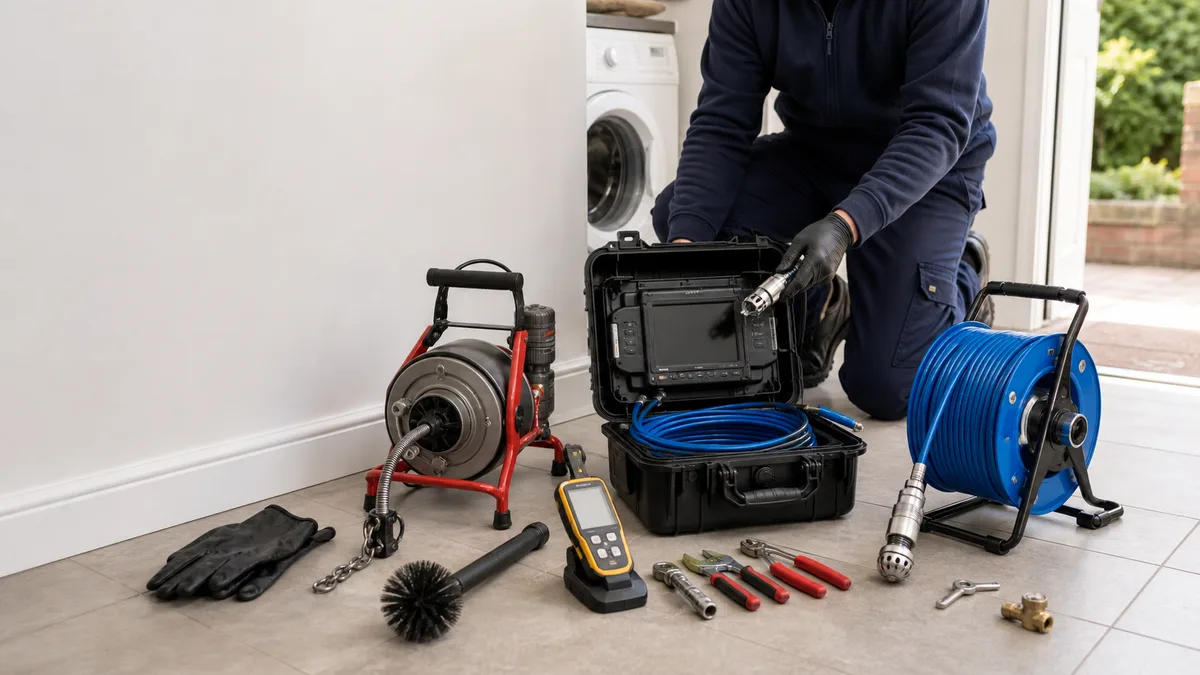
- 2 On-site diagnosis — no guessing. The engineer inspects using professional-grade equipment including CCTV where needed and quotes a fixed price before work starts.
- 3 Job complete, report issued. You receive a written completion report. All work is guaranteed — same fault returns within the guarantee period, we come back free.