Drains Cleared
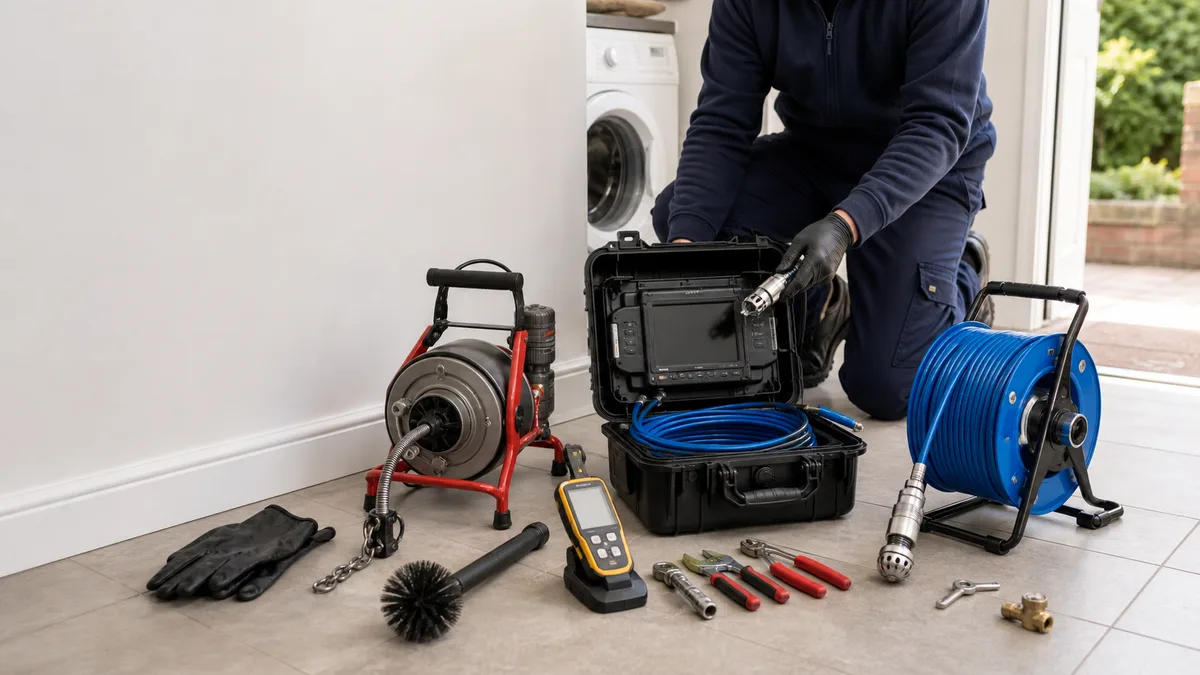
Engineer maintaining commercial drainage equipment in daylight

Planned Drain Maintenance for Eastbourne Landlords & Businesses

Our commercial contracts include a documented compliance pack — something insurers and EHOs specifically ask for, and something most drainage outfits can't supply. Serving BN21, BN22, BN23, BN24.
BN21BN22BN23BN24
0333 772 0123
We route to vetted local engineers covering BN21, BN22, BN23 and BN24 with a 60-minute response target for drain emergencies across Eastbourne and the surrounding area.

Drain Jetting in Eastbourne

Eastbourne's dense residential areas—particularly in postcodes BN21 and BN22 where Victorian and Edwardian terraces cluster—host numerous multi-let HMOs and commercial properties with high-turnover occupancy. These properties generate grease, hair, and sanitary waste at volumes far exceeding single-family households throughout Eastbourne. Southern Water's separate sewer system requires disciplined drain maintenance to prevent surcharge into commercial kitchens or shared bathrooms across BN21–BN24.

Drain maintenance in Eastbourne prevents blockages in high-occupancy HMOs and commercial kitchens across BN21–BN24. Quarterly jetting, grease trap pumping, and annual CCTV inspections protect rental compliance and avoid Southern Water enforcement. Proactive Eastbourne maintenance extends asset life.

Drainage in Eastbourne — what local engineers know

Eastbourne Council licenses HMO properties under rental safety frameworks, and Southern Water monitors drain health in BN21–BN24 postcodes to ensure shared rental stock doesn't overburden the separate sewer network. Commercial properties—restaurants, cafés, laundries in Eastbourne—must install grease traps or interceptors to avoid blocking shared laterals. Eastbourne landlords managing multiple units in BN21, BN22, and BN23 face enforcement action if drains back up and contaminate neighbours' properties. Preventive maintenance across Eastbourne's commercial and HMO stock reduces liability, keeps tenants satisfied, and protects Southern Water's infrastructure.

  • Hard water supply causes limescale accumulation in boilers, radiators and soil pipe joints — powerflush and descaling demand is high across Eastbourne
  • Separate sewer system across most of Eastbourne: misconnections (e.g. washing machines plumbed into surface water drains) are a known local issue and can result in environmental enforcement action
  • High flood risk in Eastbourne: basement and ground-floor properties near watercourses are vulnerable to sewer backflow — non-return valve installation is strongly recommended
  • Coastal salt-laden air in Eastbourne accelerates corrosion of external soil stacks, pipe brackets and galvanised fittings on exposed elevations
  • With 36% of properties built before 1920, salt-glazed clay drainage and lead-solder copper pipework are common — pipe collapse, root ingress and joint failure are recurring call-out drivers.

What happens when you call us in Eastbourne

  1. 1 Immediate dispatch. We find the nearest available engineer covering BN21/BN22 and confirm the ETA before the call ends.
  2. 2 On-site diagnosis — no guessing. The engineer inspects using professional-grade equipment including CCTV where needed and quotes a fixed price before work starts.
  3. 3 Job complete, report issued. You receive a written completion report. All work is guaranteed — same fault returns within the guarantee period, we come back free.

About drainage in Eastbourne

Local facts our engineers use when they arrive.

Population
10,000
Postcode districts
BN21BN22BN23BN24
Council
Eastbourne
Water authority
Southern Water
Flood risk
High — affected watercourses: River Ouse, River Adur, River Arun
Property mix
Victorian 22%
Edwardian 14%
Interwar 22%
Postwar 24%
Modern 18%
Sewer type separate
Common local issues
Hard water supply causes limescale accumulation in boilers, radiators and soil pipe joints — powerflush and descaling demand is high across EastbourneSeparate sewer system across most of Eastbourne: misconnections (e.g. washing machines plumbed into surface water drains) are a known local issue and can result in environmental enforcement actionHigh flood risk in Eastbourne: basement and ground-floor properties near watercourses are vulnerable to sewer backflow — non-return valve installation is strongly recommendedCoastal salt-laden air in Eastbourne accelerates corrosion of external soil stacks, pipe brackets and galvanised fittings on exposed elevationsWith 36% of properties built before 1920, salt-glazed clay drainage and lead-solder copper pipework are common — pipe collapse, root ingress and joint failure are recurring call-out drivers.

This information helps our engineers arrive prepared.

Illustrative example of typical work

BN22 Five-Bed HMO: Quarterly Jetting Schedule Prevents Surcharge

Area:
Eastbourne
Service:
Drain Maintenance & Jetting

A BN22 Eastbourne HMO with five bedrooms and three bathrooms experienced recurring blockages in its shared lateral drain as turnover increased. Implementing a quarterly jetting schedule—aligned with Southern Water's maintenance guidance for Eastbourne rental stock—eliminated blockages and ensured the BN22 property remained compliant with Eastbourne Council licensing audits.

This describes typical work performed by engineers in our network. Names and specific details have been omitted to protect customer privacy.

Drain Jetting in Eastbourne — FAQs

How often should Eastbourne HMOs have drains jetted?
High-occupancy properties in BN21–BN24 Eastbourne should undergo jetting every 3–6 months, depending on the number of occupants and fixture density. Single-family homes in Eastbourne may need annual maintenance; HMOs in BN22–BN23 often benefit from quarterly schedules. Eastbourne landlords should consult Southern Water's maintenance recommendations for their specific property postcode.
What is a grease trap, and do Eastbourne commercial properties need one?
A grease trap (or interceptor) captures cooking fats before they enter the drain, preventing blockages downstream in Eastbourne's separate sewer network. Southern Water requires grease traps in all commercial kitchens across BN21–BN24. Eastbourne restaurants and cafés must pump and dispose of trapped grease via licensed waste carriers; failure to maintain the trap in Eastbourne can result in prosecution by the local authority.
How often should drains be jetted?
Domestic drains benefit from a jet every 12-24 months. High-use commercial kitchens should be jetted quarterly to stay ahead of grease build-up.
Does jetting damage pipes?
No. We match the pressure and nozzle type to the pipe material. That pressure level is safe for clay, cast iron, PVC and concrete in good condition.
What's included in a maintenance contract?
Scheduled visits, jetting of nominated runs, CCTV spot-checks, full digital reporting and priority emergency response at preferential rates.
Is this worth it for a private house?
If you've had more than one blockage in the last two years, yes. A single annual jet is usually cheaper than one reactive emergency callout.

Drain Jetting near Eastbourne

We cover towns within and around Eastbourne. Click a town to see local engineer availability.

Ready to book in Eastbourne?

We route to vetted local engineers covering BN21, BN22, BN23 and BN24 with a 60-minute response target for drain emergencies across Eastbourne and the surrounding area.

0333 772 0123