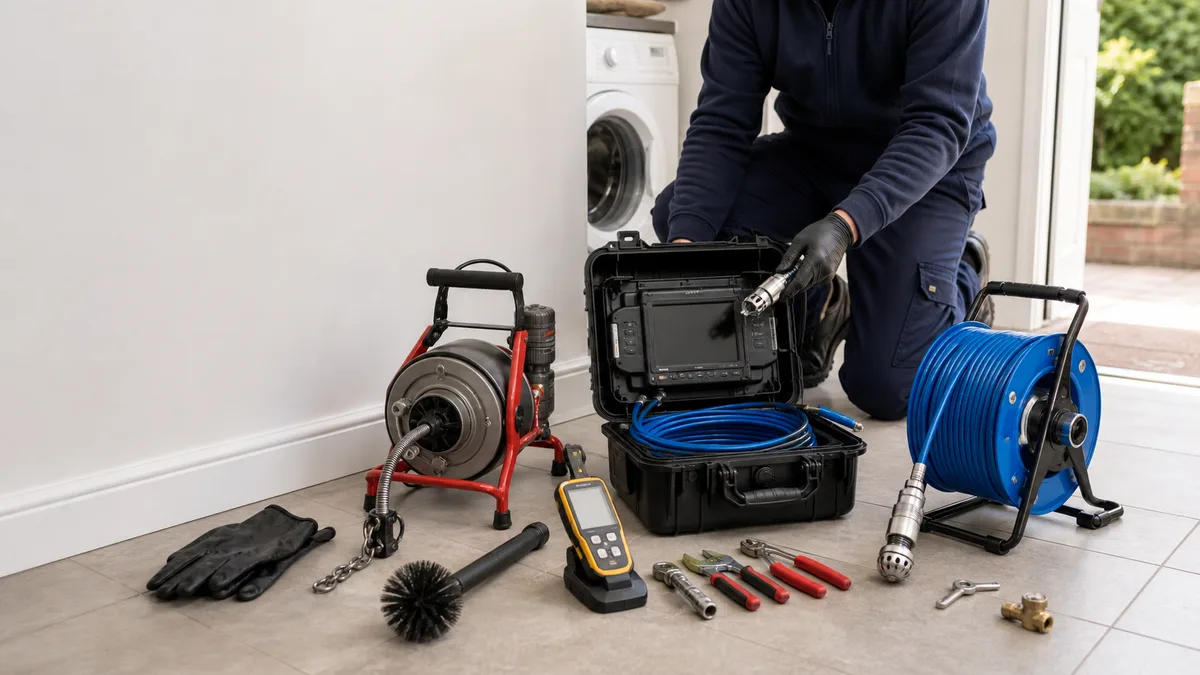
Drain Jetting in Llandrindod Wells
Llandrindod Wells' dense commercial and multi-let residential properties (HMOs, managed housing) face accelerated drain deterioration due to combined sewerage surcharge risk and multiple occupants. Properties in LD1, LD2, and LD3 typically require quarterly drain maintenance to prevent blockages, odour complaints, and environmental breaches. The town's soft water reduces limescale but older Llandrindod Wells properties often suffer internal corrosion, requiring regular jetting and root management to avoid business interruption.
Commercial and HMO drain maintenance in Llandrindod Wells should occur quarterly minimum. Combined sewerage increases surcharge risk; soft water accelerates internal corrosion in older pipework. Powys Council HMO licences require functional drainage. Welsh Water audits for misconnections. Regular jetting removes grease and root debris before blockages occur, preventing downtime, regulatory breaches, and expensive emergencies in LD1–LD4.
Drainage in Llandrindod Wells — what local engineers know
Landlords operating HMOs in Llandrindod Wells must comply with Powys Council's licensing conditions, which often mandate functional drainage systems. Welsh Water audits combined sewers; properties causing surcharge can face enforcement notices. Llandrindod Wells' soft water supply accelerates pipe deterioration in buildings over 40 years old. Preventive maintenance—quarterly jetting and CCTV checks—is cost-effective compared to reactive emergency callouts that disrupt business operations and trigger regulatory intervention.
- Soft water supply reduces limescale, but slightly acidic pH can accelerate corrosion of copper fittings and lead joints in older Llandrindod Wells properties
- Combined sewerage infrastructure — common in older parts of Llandrindod Wells — means foul and surface water share the same pipe, increasing surcharge risk during heavy rainfall
- Ageing infrastructure in parts of Llandrindod Wells means drain blockages from grease, wipes and root ingress remain the most common call-out reasons
- With 36% of properties built before 1920, salt-glazed clay drainage and lead-solder copper pipework are common — pipe collapse, root ingress and joint failure are recurring call-out drivers.
What happens when you call us in Llandrindod Wells
- 1 Immediate dispatch. We find the nearest available engineer covering LD1/LD2 and confirm the ETA before the call ends.
- 2 On-site diagnosis — no guessing. The engineer inspects using professional-grade equipment including CCTV where needed and quotes a fixed price before work starts.
- 3 Job complete, report issued. You receive a written completion report. All work is guaranteed — same fault returns within the guarantee period, we come back free.