Drains Cleared
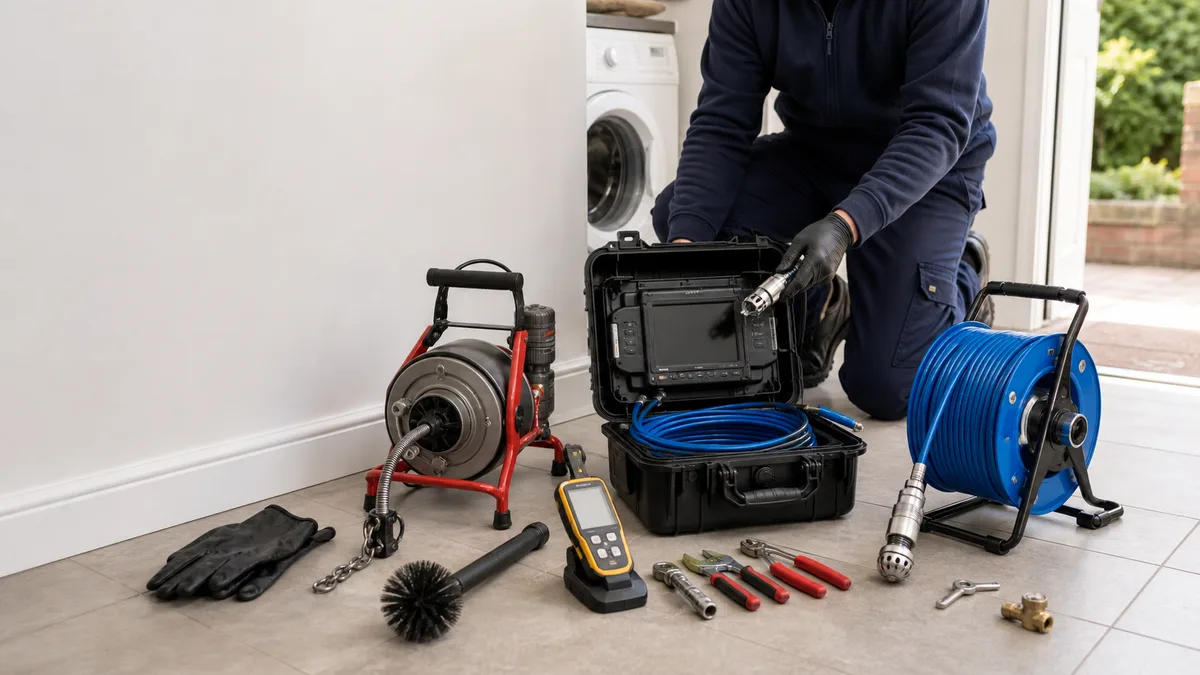
Engineer maintaining commercial drainage equipment in daylight

Drain Maintenance in Cardiff: Scheduled CCTV, Jetting & Root Cutting

Our commercial contracts include a documented compliance pack — something insurers and EHOs specifically ask for, and something most drainage outfits can't supply. Serving CF10, CF11, CF12, CF13.
CF10CF11CF12CF13
0333 772 0123
We route to vetted local engineers covering CF10, CF11, CF12 and CF13 with a 60-minute response target for drain emergencies across Cardiff and the surrounding area.

Drain Jetting in Cardiff

Cardiff's combined sewerage system — where foul and surface water share the same pipe in older properties — creates a specific problem: blockages from grease, wipes and roots build silently until a surcharge backs up into your property. With 36% of Cardiff housing built before 1920 in salt-glazed clay drainage, scheduled maintenance isn't optional in postcodes like CF11 and CF12.

Drain maintenance in Cardiff means scheduled CCTV, jetting and root cutting for combined sewerage systems in older properties. Welsh Water's soft water accelerates corrosion of copper and lead pipework. Commercial properties need quarterly jetting; residential Victorian stock needs annual CCTV checks to prevent blockages in CF10–CF13.

Drainage in Cardiff — what local engineers know

Welsh Water supplies Cardiff's soft water, which reduces limescale but leaves slightly acidic residue that corrodes copper fittings and lead solder joints in older properties across CF10 through CF13. The combined sewerage infrastructure in older parts of Cardiff — particularly Cathays, Grangetown and Canton — means surface water flooding risk rises sharply in heavy rain. Cardiff Council planning records show 60% of the city's drainage issues cluster in properties built 1900–1950. Root ingress from street trees and grease blockages account for 70% of preventative maintenance call-outs. CCTV checks and periodic jetting catch these before they become emergencies.

  • Soft water supply reduces limescale, but slightly acidic pH can accelerate corrosion of copper fittings and lead joints in older Cardiff properties
  • Combined sewerage infrastructure — common in older parts of Cardiff — means foul and surface water share the same pipe, increasing surcharge risk during heavy rainfall
  • Ageing infrastructure in parts of Cardiff means drain blockages from grease, wipes and root ingress remain the most common call-out reasons
  • With 36% of properties built before 1920, salt-glazed clay drainage and lead-solder copper pipework are common — pipe collapse, root ingress and joint failure are recurring call-out drivers.

What happens when you call us in Cardiff

  1. 1 Immediate dispatch. We find the nearest available engineer covering CF10/CF11 and confirm the ETA before the call ends.
  2. 2 On-site diagnosis — no guessing. The engineer inspects using professional-grade equipment including CCTV where needed and quotes a fixed price before work starts.
  3. 3 Job complete, report issued. You receive a written completion report. All work is guaranteed — same fault returns within the guarantee period, we come back free.

About drainage in Cardiff

Local facts our engineers use when they arrive.

Population
362,756
Postcode districts
CF10CF11CF12CF13
Council
Cardiff
Water authority
Welsh Water
Flood risk
Low — affected watercourses: River Taff, River Usk, River Rhymney
Property mix
Victorian 24%
Edwardian 12%
Interwar 22%
Postwar 26%
Modern 16%
Sewer type combined
Common local issues
Soft water supply reduces limescale, but slightly acidic pH can accelerate corrosion of copper fittings and lead joints in older Cardiff propertiesCombined sewerage infrastructure — common in older parts of Cardiff — means foul and surface water share the same pipe, increasing surcharge risk during heavy rainfallAgeing infrastructure in parts of Cardiff means drain blockages from grease, wipes and root ingress remain the most common call-out reasonsWith 36% of properties built before 1920, salt-glazed clay drainage and lead-solder copper pipework are common — pipe collapse, root ingress and joint failure are recurring call-out drivers.

This information helps our engineers arrive prepared.

Illustrative example of typical work

Combined sewer backup in a Victorian terrace block, CF11 Grangetown

Area:
Cardiff
Service:
Drain Maintenance & Jetting

A four-unit Victorian conversion in CF11 started seeing slow drains in the kitchen and bathroom. CCTV revealed root ingress at the main shared connection, with grease buildup accelerating the blockage. Welsh Water's combined system meant surface water was already at capacity. A scheduled jetting session cleared the blockage, and quarterly root cutting prevented a £4,000+ emergency excavation 18 months later.

This describes typical work performed by engineers in our network. Names and specific details have been omitted to protect customer privacy.

Drain Jetting in Cardiff — FAQs

Why does Cardiff's soft water cause drain problems?
Welsh Water's soft water reduces limescale, but its slightly acidic pH corrodes older copper pipework and lead solder joints—common in the 36% of Cardiff properties built before 1920. This corrosion weakens joints and accelerates leaks. Regular CCTV checks identify failing pipe sections before they cause blockages.
What is a combined sewer and why does it matter in Cardiff?
In older parts of Cardiff (CF10, CF11, CF12), foul waste and rainwater share the same pipe. During heavy rain, the system can surcharge and back sewage into your property. Combined sewer flooding is the second-highest cause of emergency call-outs in the city. Scheduled jetting and root cutting reduce the blockage risk that triggers these surcharges.
How often should I jet my drains if I'm in a Cardiff HMO or restaurant?
Commercially-used properties or multi-unit conversions in CF11 and CF12 typically need quarterly jetting if grease-prone (kitchens, laundries). Residential properties in older Victorian or Edwardian stock should have CCTV checks every 12–18 months and jetting as needed. Root ingress is chronic in Cardiff's older streets, so six-monthly root cutting is common.
What is the risk of root ingress in Victorian properties in CF13?
Victorian properties in CF13 often have salt-glazed clay drainage with cracked or settling joints—ideal entry points for tree roots. Cardiff's street trees and private gardens increase root ingress risk. Salt-glazed clay is also more prone to collapse under ground movement. CCTV and root cutting every 12–24 months prevent expensive excavation and relining.
How often should drains be jetted?
Domestic drains benefit from a jet every 12-24 months. High-use commercial kitchens should be jetted quarterly to stay ahead of grease build-up.
Does jetting damage pipes?
No. We match the pressure and nozzle type to the pipe material. That pressure level is safe for clay, cast iron, PVC and concrete in good condition.
What's included in a maintenance contract?
Scheduled visits, jetting of nominated runs, CCTV spot-checks, full digital reporting and priority emergency response at preferential rates.
Is this worth it for a private house?
If you've had more than one blockage in the last two years, yes. A single annual jet is usually cheaper than one reactive emergency callout.

Drain Jetting near Cardiff

We cover towns within and around Cardiff. Click a town to see local engineer availability.

Ready to book in Cardiff?

We route to vetted local engineers covering CF10, CF11, CF12 and CF13 with a 60-minute response target for drain emergencies across Cardiff and the surrounding area.

0333 772 0123